

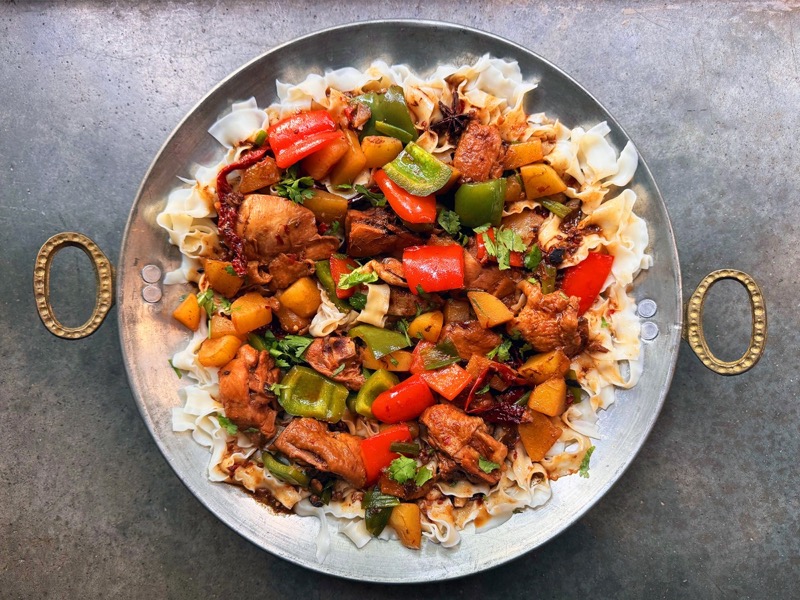
A German backpacker I gave a lift on the Duku said he judges a hostel by one thing: a kitchen to cook noodles. Turns out the kitchen is the most accurate filter of all.
For budget solo travellers, Xinjiang has more hostels and driver waystations than you’d think — from Urumqi to Kashgar along the G30 and the Duku. I’ll cover distribution, ride-sharing and safety so you can go furthest on the least money, and still sleep with your bag locked and your plans confirmed.
Hostel distribution
Urumqi, Yining and Kashgar have the maturest hostels; beds 55–85 RMB with a shared kitchen and a ride-board. Along the Duku, Qiaolma and Bayinbuluke have driver waystations at 80–120 RMB. Altay has ski hostels in winter. In a Urumqi hostel I met a car of people headed to Hemu and split costs to half. The pattern is simple: hostels cluster where backpackers and drivers intersect — city hubs and mountain pass towns. Smaller oasis towns (Kuqa, Aksu) have budget hotels but fewer true hostels. I use hostels as both bed and bulletin board: the kitchen is where plans form and the ride board is where the Duku carpool assembles. Winter thins the network — Altay ski hostels boom while the south goes quiet.
- Urumqi / Yining / Kashgar: beds 55–85 RMB
- Duku pass towns: driver waystations 80–120 RMB
- Altay: ski hostels in winter
Ride-sharing and info
Hostel front desks and boards are where ride shares post; Duku and Yizhao Highway hitch rides often assemble here. Verify the driver’s licence and insurance, not just price. I once took an uninsured ride and felt uneasy halfway — now only licensed operators. The deal is real money-saver: a Duku carpool can halve your fuel and tolls, and you meet people. But vet hard: see the licence, the insurance sticker, and the car’s condition before you hand over cash. A hostel that screens rides is gold; one that posts anything is a starting point, not a guarantee. I share the cost via the hostel’s logged board so there’s a paper trail. Trust, then ride.
- Duku / Yizhao ride shares assemble at hostels
- Verify licence + insurance, not just price
- Use the hostel’s logged board for a paper trail
Safety and storage
Pick a place with controlled entry and lockers; carry ID and documents. Grassland and desert waystations have weak signal — screenshot tomorrow’s route. Women should choose dorms with a female section, not a mixed bunk. Controlled entry means the night clerk knows who’s inside; that alone cuts risk. Lockers let you leave the big bag and day-trip light. I keep passport, cash and phone in a personal pouch even in a ‘safe’ hostel. Weak signal at waystations means your navigation must be offline — download the route the night before on hostel wifi. Female travellers: a women-only dorm is common at the better hostels and worth requesting early.
- Controlled entry + lockers
- Carry ID; offline maps at waystations
- Request a women-only dorm if offered
Save, but not on safety
The cheapest roadside spot may lack hot water and locks; saving 20 RMB isn’t worth it. I stick to rated chain hostels — a little more, but I sleep. Cook your own with brought ingredients; the hostel kitchen is free and saves a meal. The math: a 70 RMB hostel with a kitchen beats a 50 RMB box with no hot water and a locked door that doesn’t latch. I budget food separately and use the kitchen for at least one meal a day — noodles, eggs, the market’s cheap veg. The social bonus is real too: kitchens are where you find the next ride or the warning about a closed pass. Cheap and safe isn’t contradictory; it’s just not the cheapest.
- Rated hostel > 20-RMB-cheaper box
- Free hostel kitchen saves a meal/day
- Kitchen = rides + road warnings
Gear and pace
Travel light, lock your bag, keep offline maps. Solo, don’t night-run no-man’s-land; follow hostel ride shares for safety. A 40 L pack is plenty for a Xinjiang summer; winter needs the bulk but still one bag. Lock the bag even in the dorm — opportunistic grabs happen. Offline maps: I run two apps with the region downloaded, because one will have the better mountain track. Night driving on empty G30 is tempting to save a hostel cost but it’s tired and risky; sleep, leave at dawn. The hostel crowd is your early-warning system for closures and checkpoints — listen more than you post.
- One 40 L pack; lock it even in-dorm
- Two offline map apps with region downloaded
- Don’t night-run empty highways to save a bed
Community and the long game
The best part of hostelling isn’t the price — it’s the network. A kitchen conversation in Kashgar turned into a shared 4×4 to the Pamir; a note on the Urumqi board got me a Hemu carpool. Treat hostels as nodes in a route, not just beds. I plan my big leaps (Urumqi→Kashgar, or the Duku) around hostel hubs so I can assemble a ride. The downside is noise and thin walls — earplugs and a sleep mask are part of the kit. For a solo budget traveller, this is how Xinjiang opens up: cheap, social, and safe if you vet. Skip the glamour, keep the kitchen, and the trip pays for itself.
- Hostels are route nodes, not just beds
- Kashgar kitchen → shared Pamir 4×4
- Earplugs + sleep mask are kit
| City | Bed | Feature |
|---|---|---|
| Urumqi | 55–85 RMB | Kitchen, ride board |
| Yining | 60–90 RMB | Grassland transit |
| Kashgar | 60–90 RMB | Pamir rides |
| Duku corridor | 80–120 RMB | Driver waystation |
Practical takeaways
- Check ratings before price on hostels.
- Verify driver licence and insurance before sharing.
- Download offline maps before entering mountains.
- One 40 L pack; lock it even in the dorm.
Frequently Asked Questions
- Are Xinjiang hostels safe?
- Proper hostels are safe; pick rated ones with entry control, not nameless cheapies.
- Where to share a Duku ride?
- Urumqi, Dushanzi and Qiaolma hostel boards are most common — verify documents before getting in.
- Solo drive or share?
- Sharing splits fuel and tolls cheapest, but less freedom; solo rental is 400+ RMB/day.
- What’s the real value of a hostel kitchen?
- Free meals and the ride/road-warning network — worth more than the 20 RMB you save on a box.