

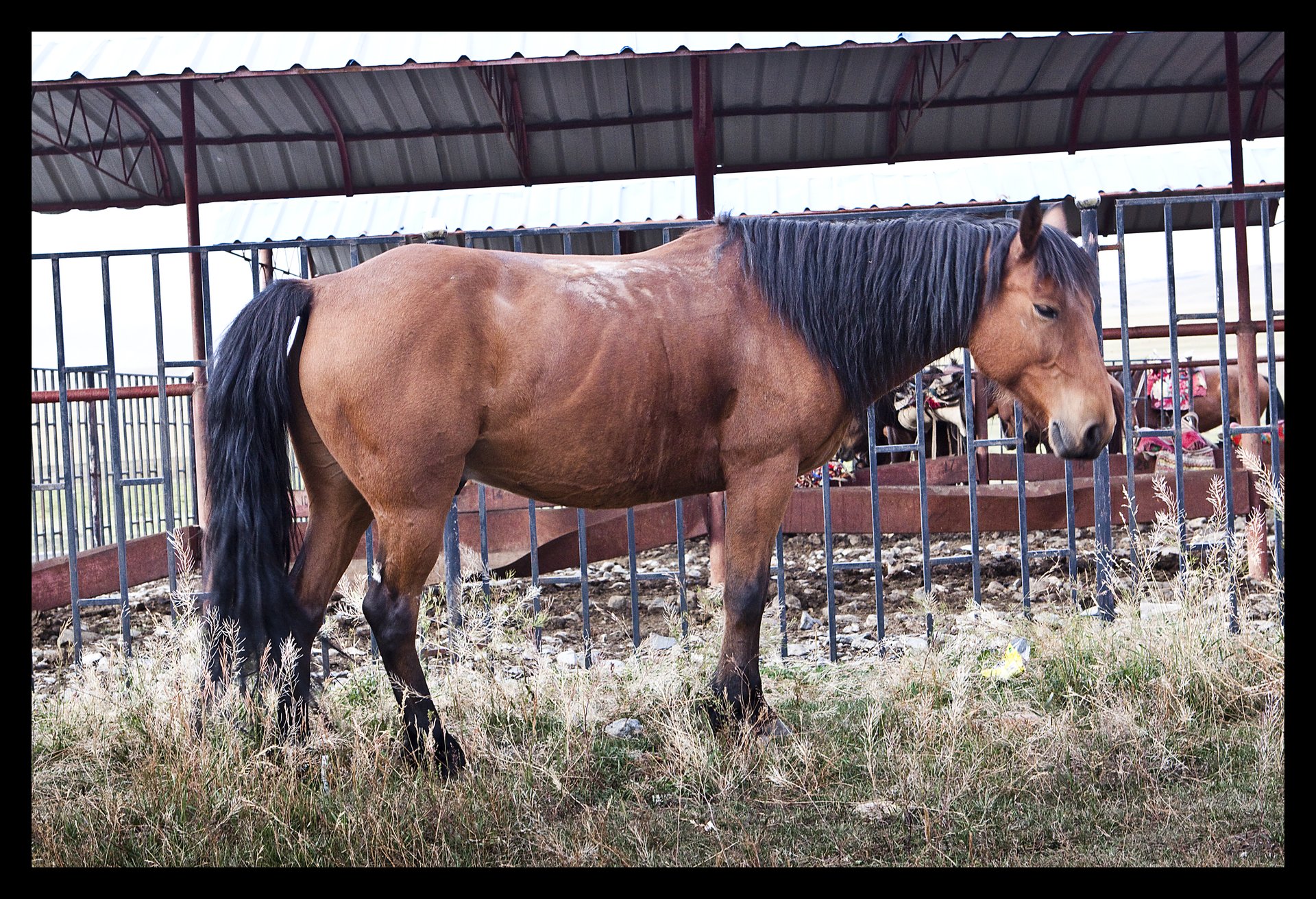
Hotan is where the southern edge of Xinjiang meets the desert — jade, silk and a pace the rest of the region forgot.
Hotan (Hetian, about 1,370 m) sits on the southern Tarim rim, a terminus of the old jade and silk roads. It’s off the main tourist arc but rich for those who go: jade markets, the Karakax river, Uyghur crafts and a launch toward the Taklamakan‘s southern edge — the south’s quiet craft capital.
Jade and the rivers
Hotan jade (Hetian yu) is famed across China; the jade market sells raw and carved stones — buy with caution and from reputable stalls. The Karakax (Black Jade) River is where people still pan. Real investment-grade jade needs expertise; treat souvenirs as souvenirs. The jade is the city’s brand — the creamy white ‘mutton-fat’ jade is the prize, and the Karakax River is where locals still sift the gravel for it. The market sells everything from raw river stones to carved pendants; the reputable stalls (fixed, receipted) are the safe buy, the roadside ‘I found this today’ is the tourist trap. I tell buyers: unless you’re an expert, treat it as a souvenir, not an investment. The jade is the lens on Hotan — a desert town built on a stone. Watch the panning, browse the market, but buy with your head, not the romance.
- Hetian jade = city brand
- Karakax River still panned
- Buy reputable; treat as souvenir
Crafts and culture
The Uyghur carpet, atlas silk (tie-dyed) and knife-making are living crafts here. The Hotan Museum gives context. It’s a strong stop for travellers interested in the Silk Road’s human side rather than just scenery. The atlas silk is the standout — a tie-dyed, silk-wrapped cloth unique to the region, still made by hand in family workshops. The Uyghur carpet (knotted wool) and the Hotan knife (inlaid handle) are the other living crafts. The museum (small, free) frames it: Hotan as a Silk Road craft hub, not just a jade town. I spend a half-day on the craft streets — the atlas silk workshop is the highlight, the dye pits a photo. For travellers tired of lakes and passes, Hotan is the human Silk Road: people making things, not scenery to shoot. The culture is the draw; the jade is the souvenir.
- Atlas silk, carpets, knives = living crafts
- Hotan Museum for context
- Human Silk Road, not just scenery
Desert edge
Hotan borders the Taklamakan’s southern rim; the desert highway (Minfeng–Luntai) is reachable north. A run into the dunes near the rim is a half-day; carry water and tell someone your route. The southern rim is the desert’s edge — the Taklamakan’s southern highway (Hotan to Minfeng to Luntai) is the epic crossing, but a simple dune run near the rim is the taste. The dunes are a half-day out and back; carry water (2 L/person) and tell the hotel your route — the desert edge is unforgiving and signal-less. I do the dune run as a half-day, not the full crossing (that’s the grand loop’s Tarim chapter). Hotan is the launch for the desert, but the city itself is the craft stop; the dunes are the excursion. The edge is where the oasis meets the sand — Hotan’s defining line.
- Southern Taklamakan rim
- Dune run = half-day
- Water + tell route; signal-less
Food and stay
Hotan’s jade-market snacks, naan and polo are the southern style. Hotels are cheaper than Kashgar; pick a central four-star for parking. See the budget guide — Hotan is friendly to a tight plan. The food is the south’s honest version: jade-market snacks (grilled beside the stalls), nan from the lane bakery, polo from the early-market pot. It’s cheaper than Kashgar and less touristy — a budget traveller’s friend. The hotels are plentiful and cheap; a central four-star (parking, lift) is 200–350 RMB, less than Kashgar. I use Hotan as a budget base — the craft streets are free, the food is cheap, the stay is light. The budget guide’s southern-loop chapter uses Hotan as the cheap anchor; the city rewards the lean traveller. Food and stay here are the south at its most affordable.
- Jade-market snacks, nan, polo
- Hotels cheaper than Kashgar
- Central four-star, 200–350 RMB
Getting there
Fly from Urumqi or Kashgar, or drive the Tarim rim road. It’s a long, flat, hypnotic drive — fuel discipline and offline maps essential. The fly is the easy entry (Urumqi or Kashgar, both have flights); the drive is the Tarim rim — a long, flat, hypnotic haul from Korla or Kashgar, with sparse fuel and no signal. I fly in, rent a car in Hotan for the dune run, and fly out — the desert crossing is for the grand loop, not a Hotan visit. If you drive the rim, fuel in Korla or Luntai before the long flat, and download offline maps (the rim is signal-poor). Hotan is reachable but peripheral — the fly is the sane choice for a city stop. The getting-there logic: peripheral, so fly; the desert is the grand loop’s job.
- Fly from Urumqi/Kashgar
- Or drive Tarim rim (long, flat)
- Fuel + offline maps if driving
Why detour to Hotan
Most loops skip Hotan for Kashgar and the Pamir — but the detour rewards the craft-and-culture traveller with jade, atlas silk, and a slower south. I send people who’ve ‘done’ the icons and want the human Silk Road. The detour is a day or two off the Tarim rim (the grand loop’s southern chapter passes near); it’s not on the quick arc. For a first trip, Kashgar + Pamir is the south; for a second, Hotan is the depth. The jade and the atlas silk are the unique draws — nowhere else in Xinjiang makes them like this. I frame Hotan as the ‘Silk Road human’ stop: less wow than the Pamir, more soul than the highway. The detour is for the curious, not the checklist. Know which you are before you add the day.
- Off the quick arc; depth for the curious
- Jade + atlas silk = unique draws
- Second-trip south, or culture focus
| Theme | Where |
|---|---|
| Jade | Jade market + Karakax River |
| Crafts | Atlas silk, carpets |
| Desert | Southern rim dunes |
| Food | Market snacks, polo |
Practical takeaways
- Buy jade only from reputable stalls.
- Fuel up before the rim drive.
- Use Hotan as a budget-friendly base.
- Fly in; the desert crossing is the grand loop’s job.
Frequently Asked Questions
- Worth a detour?
- For jade, crafts and Silk Road culture — yes, if time allows.
- Safe to buy jade?
- Reputable stalls only; treat as souvenir unless expert.
- How to reach?
- Fly, or drive the Tarim rim (long, flat).
- Why visit vs Kashgar?
- Hotan is the craft/culture depth; Kashgar is the hub.