

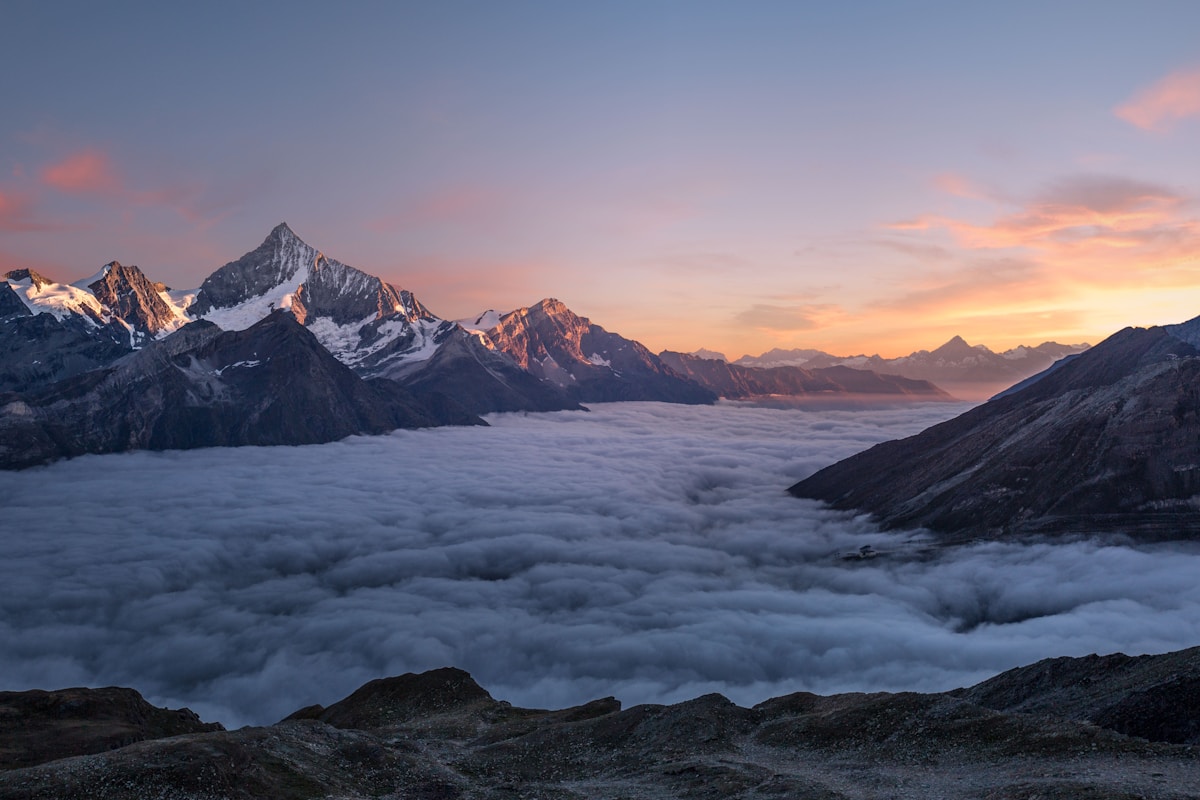
The best night I spent in the Tianshan was not in a hotel but in a timber guesthouse where the host lit the stove, pointed at the stars, and told me the pass would be clear by morning.
A Tianshan homestay is the antidote to a long driving day: a village house or timber lodge tucked into a mountain basin, run by people who know the weather, the road, and the season better than any app. For a self-drive trip through the northern ranges, these stays turn a transit corridor into a memory and put you at the trailhead of pastures and passes that buses never reach. This guide explains how to choose, book, and enjoy a Tianshan homestay without the rookie mistakes that leave drivers cold, hungry, or stranded.
What a Tianshan homestay actually is
Forget the generic hotel template. A Tianshan homestay is usually a family-run house or a small timber lodge in a mountain village, often with a stove, a yard for the car, and a dinner you did not expect. The value is location and local knowledge: the host knows when the pass closes, where the spring is, and which meadow is worth the detour. I choose homestays when I want to be inside the landscape rather than looking at it through a window, and when I would rather trade a bland hotel bed for a warm room and a conversation that sharpens tomorrow plan.
- Family-run village or timber lodge
- Stove heat, yard parking, real meals
- Host knows pass and weather
Where they sit along the drive
The classic clusters sit on the flanks of the northern ranges, near pasture towns and the approaches to the big grassland highways. They are the natural overnight before a high pass, the rest after a canyon, or the base for a day of walking. I place a homestay deliberately: one night before a pass so I start fresh, one after a long descent so I sleep instead of driving tired. Because they are small, they fill with domestic travellers on holidays, so I book ahead on the busy weeks and stay flexible in the quiet ones.
- Flanks of the northern ranges
- Before a high pass or after a canyon
- Book ahead on holidays
Booking and what to confirm
I confirm three things: heating, a stove or central heat because a cold mountain night is no joke, parking inside a gate, and whether dinner is available, because remote villages have no late food. I also ask if the room is private or a shared yurt, since some stays are communal by design. Payment can be cash or a domestic app, so I carry notes. The hosts rarely speak much English, so I keep the booking simple and reconfirm by phone if possible. A five-minute clarification prevents the classic arrival surprise of a cold room and no meal.
- Heating, gated parking, dinner
- Private room vs shared yurt
- Carry cash, keep booking simple
Stove, altitude, and sleep
Many Tianshan lodges heat with a wood or coal stove, which is wonderful once lit and useless if you do not know the drill. I ask the host to show me and never leave it unattended. At altitude the first night can be restless, so I arrive early, hydrate, and skip the heavy drinking. The quiet is the point: no traffic, just wind and a stove. I sleep with the car parked close, the window cracked for air, and an alarm that respects the morning light rather than the city clock.
- Learn the stove before bed
- Hydrate, go easy at altitude
- Park close, crack a window
Food, hosts, and local tips
The dinner is usually the highlight: homemade noodles, dairy, and whatever the garden or flock provided. I eat what is offered, tip modestly, and ask about the road ahead, because the host warning about a closed pass has saved me more than any forecast. I learn a few words and show the map on my phone to confirm the plan. These small exchanges are why I choose homestays over hotels; the room is fine, but the local intelligence is the real amenity, and it is free if you are polite.
- Eat the homemade dinner
- Ask about the pass ahead
- Local intel beats the forecast
A night that earns the next day
My ideal Tianshan stop ends with a full stomach, a lit stove, and a clear plan for the pass. I lay out tomorrow clothes, check the car in the morning light, and leave the host with a thanks and a small gift if I can. The homestay is not a luxury; it is a smart way to be inside the mountains overnight so the driving day that follows starts calm and early. Done right, it is the cheapest upgrade to a Xinjiang road trip there is, and the memory outlasts the mileage.
- Full stomach, lit stove, clear plan
- Prep clothes and car overnight
- Cheapest upgrade to the trip
| Need | Homestay | Hotel |
|---|---|---|
| Inside the landscape | Yes | No |
| Local road intel | Strong | Weak |
| Heating control | Stove | Central |
| Quiet night | Excellent | Variable |
Practical takeaways
- Book stays with gated parking.
- Confirm heating and dinner upfront.
- Carry cash for small lodges.
- Learn the stove before sleeping.
Frequently Asked Questions
- Are Tianshan homestays safe for foreign drivers?
- Generally yes in established village stays; confirm passport acceptance when booking and keep the car in a gated yard.
- Do they have heating?
- Most use a stove or central heat; confirm it works, because mountain nights are cold.
- Is dinner included?
- Often, but ask; remote villages have no late food, so a confirmed meal matters.
- How far ahead should I book?
- Weeks ahead for holiday periods; a day or two is fine in quiet seasons.