

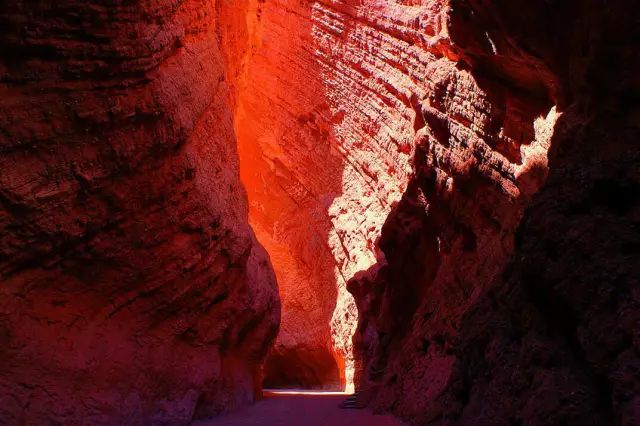
The bag I pack for a Xinjiang drive is not the bag I pack for a city break; it is built around the fact that the next service station can be four hours and a whole climate away.
Packing for a Xinjiang self-drive is its own discipline. The region spans deserts, high passes, and oasis towns, with distances that turn a forgotten item into a real problem and weather that swings twenty degrees between valley and summit. The right kit keeps a driver moving, comfortable, and safe when the road is empty and the nearest help is far. This guide is a practical packing list for a Xinjiang road trip, covering the car, the cabin, the documents, and the personal gear that earns its weight by the kilometre.
Documents and money
I keep every paper in one waterproof folder: passport and visa, driving licence with a translation, rental agreement, and any border or permit papers for restricted zones. I photograph the stack and store it in the cloud, because a lost folder is recoverable if the images survive. Cash in small notes rides with me, since cards fail at remote stalls and some fuel stops. I carry a second form of ID copy and the emergency numbers written down, not just in the phone. The folder is the first thing I pack and the last thing I check, because everything else can be bought; the papers cannot.
- One waterproof folder
- Cloud copies of all
- Small cash, written numbers
Car and emergency kit
The car carries a basic recovery kit: a spare in good shape, a jack and wrench, jumper cables, a tow strap, and a tyre repair can for slow leaks. I add a torch, warning triangle, and hi-vis vest, because a roadside stop in the dark is safer visible. A jerry can of fuel is legal in places and priceless in the empty stretches, and I keep extra water for the radiator, not just me. I check the spare and the kit before leaving the city, because a missing tool out here is a long walk. The kit is insurance I hope to ignore and am glad to own.
- Spare, jack, cables, strap
- Torch, triangle, vest
- Jerry can, radiator water
Cabin and comfort
The cabin holds the things that make hours bearable: a phone mount and charger, a power bank, sunglasses and a spare, sun shade for the windscreen, and a small rubbish bag. I pack a kettle and a sealed container for road tea, plus a knife and a cloth for impromptu picnics. Layers live in the boot, because the temperature swing between a basin noon and a pass evening is brutal. I keep a first-aid kit and rehydration salts within reach, not buried. Comfort is not luxury out here; it is what keeps the driver alert across the long empty miles.
- Mount, charger, power bank
- Kettle, knife, sun shade
- Layers, first-aid, reachable
Clothing for the swing
I pack for two climates: light breathable layers for the desert heat and real insulation for the passes and the cold nights, including a warm hat and gloves even in summer. Sturdy closed shoes handle dune edges and rocky pulls, and a scarf or mask cuts the dust on corrugated roads. I avoid cotton next to skin in the cold, because it holds sweat and chills. The rule is layers you can add and drop by the hour, because the road will hand you both seasons in a single day. The wrong clothing is the fastest way to a miserable drive, and the right layers make the swing trivial.
- Two climates, layers
- Sturdy shoes, dust mask
- Warm hat and gloves always
Food and water discipline
I ride with more water than seems sane, a rule that has saved me more than once in the heat, plus a road pantry of bread, nuts, dried fruit, and the odd tin. A cooler bag keeps the water drinkable and the yogurt safe through a hot leg. I stock the bazaars as I go and never let the pantry run dry, because the next shop can be hours. The self-drive format turns the car into a larder, and the larder is what keeps a distant day from becoming an emergency. Eat and drink on a schedule, not on thirst, because the desert teaches that lesson the hard way.
- Extra water, always
- Cooler for yogurt
- Bazaar top-ups en route
A packed car that works
My packing ends with a boot I can live out of: documents in the cab, emergency kit by the spare, layers and pantry in the middle, and comfort gear within arm reach. I weigh it low and centred so the handling stays honest, and I know where everything is in the dark. The list is long but every item has paid for itself on some trip, and the peace of a ready car is worth the bulk. I measure good packing by a problem I solved from the boot instead of a town, and Xinjiang gives plenty of chances to solve problems from the boot.
- Documents in cab
- Kit by the spare
- Low, centred, known
| Priority | Item | Why |
|---|---|---|
| Must | Documents folder | Nothing replaces papers |
| Must | Water and spare | Empty stretches |
| Should | Recovery kit | Roadside fix |
| Nice | Kettle, layers | Comfort and alert |
Practical takeaways
- One documents folder.
- Extra water, always.
- Recovery kit by spare.
- Layers for two climates.
Frequently Asked Questions
- How much water should I carry?
- More than seems sane; the heat and distance make extra water the top safety item.
- Do I need a fuel can?
- Where legal, yes; some legs have no station for hundreds of kilometres.
- What clothes for the swing?
- Layers for desert heat and real insulation for cold passes, even in summer.
- Are cards accepted?
- Often not at remote stalls; carry small cash.