

Most drivers blow through Wusu without stopping — I learned to pause there after a breakdown showed me it is the one place on the G30 where the northern and southern supply lines actually cross.
Wusu (乌苏) sits on the G30 Lianyungang–Khorgas expressway about 250 km west of Urumqi, where the road from the north (toward Karamay and the Altai) and the main east–west line meet. It is not a headline destination like Kashgar or the Tian Shan lakes, but as a self-drive supply and rest town it earns a place on almost every western loop. Good hotels, real fuel, a hospital, and a calm pace make it the kind of town you are glad exists at the 4:00-fatigue mark. This guide covers what Wusu actually offers the driver, how to use it as a base, and how it fits the G30 between Urumqi and the Ili Valley.
Where Wusu is and why it matters
Wusu lies on the G30 about 250 km west of Urumqi and roughly 200 km east of Khorgas, the border crossing to Kazakhstan. Just north, the G3014 and the older roads fan toward Karamay and the Altai, so Wusu is the junction where a driver heading to the northern lakes can peel off the main line. For a self-drive trip that means it is the last easy full-service town before the more remote north, and a natural first rest after the long Urumqi haul. I treat it as the ‘halfway to the west’ mark: fuel, food, sleep, then push on. The town itself is flat, gridded and quiet — a relief after Urumqi traffic.
- On the G30, ~250 km west of Urumqi
- Junction to Karamay and the Altai north
- Last full-service town before the remote north
Fuel, repair and the practical stop
Wusu has multiple fuel stations (both major Chinese brands), tyre shops and a few car-repair garages — enough that a slow leak or a flat is a same-day fix, not a tow to Urumqi. Tolls on the G30 are paid by plate or card; the station here is a reliable place to top up everything. I arrive with the tank under half and leave full, because the stretch west to Khorgas and north to Karamay has longer gaps than the Urumqi side. There is also a noticeable police checkpoint culture on the western G30, so keep documents handy. The practical stop is the whole point of Wusu: it is where the car gets looked after so the driver can relax.
- Multiple fuel stations + tyre/repair shops
- Top up before the longer western/northern gaps
- Keep docs handy for G30 checkpoints
Staying and eating: the calm-base model
Hotels in Wusu are mid-range and good value — clean business hotels from 180–300 yuan, with parking and a real breakfast. That makes it a calm base: sleep one night, fix the car, eat a proper northern-Chinese dinner, leave rested. The food leans toward the north — hand-pulled noodles, lamb, and the local Wusu beer, which the town is known for regionally. I do not sightsee in Wusu; I use it. A 16:00 arrival, a repair, a hot meal and a full tank turns a tired drive into a fresh one. Karamay, two hours north, is the bigger oil city if you need more, but Wusu covers the basics without the bustle.
- Business hotels 180–300 yuan, parking incl.
- Known locally for Wusu beer
- Use it as a rest base, not a sight
Winter driving through the junction
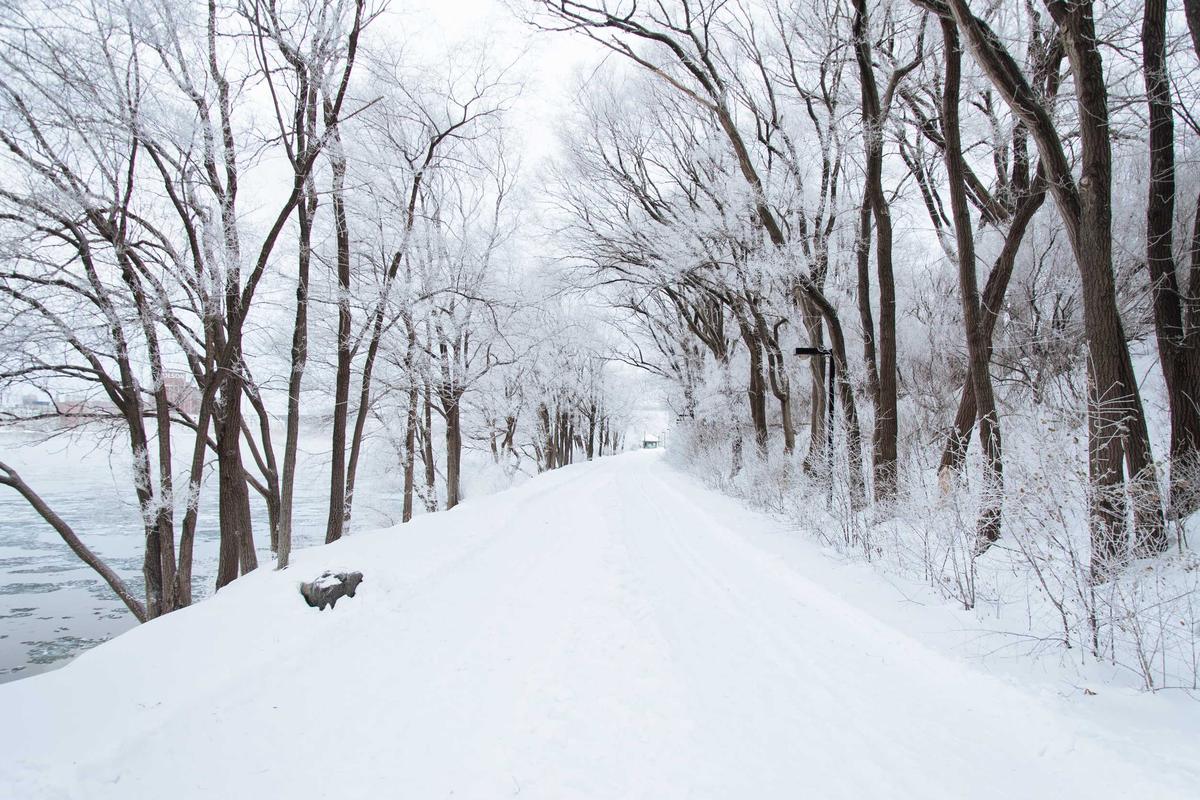
Because Wusu sits where the northern line meets the G30, winter driving here means snow on two approaches, not one. The G30 is ploughed and salted but the Karamay and Altai roads see heavier snow and close on bad days. If you are driving November–March, check the pass and road status before you commit to the northern turn, carry snow tires (required on closed-weather days), and do not count on the smaller roads being open. I treat Wusu as the last warm, ploughed stop before the white north. The town’s own streets are flat and easy; it is the roads out that demand respect in the cold.
- Snow on both the G30 and the northern line
- Snow tires needed on bad-weather days
- Last ploughed stop before the white north
How it fits a G30 itinerary
On a classic Urumqi → Yining → Khorgas loop, Wusu is the natural first night west or a mid-day reset. Driving distances from Urumqi are about 250 km (3 hours); from Wusu to Yining another ~250 km. That splits the cross-province haul into two easy days instead of one long push. I often pair a Wusu night with a next-day run to Sayram Lake and Bole, then into the Ili Valley. The budget for a Wusu stop is low — a room, a tank, a meal — and the payoff is arriving in the Ili Valley awake instead of wrecked. It is the unglamorous town that makes the glamorous ones better.
- ~250 km (3 h) from Urumqi
- Pairs with Sayram/Bole next day
- Splits the cross-province haul in two
What to skip and what to use
Skip Wusu as a sightseeing target — there is no Bezeklik or Karakul here, and the town knows it. Use it for fuel, repair, a calm night, and a border-region reset of the car and the driver. Keep your timeline loose: if a garage finds a problem, you want the half-day buffer a rest town gives you, not a race to Kashgar. The driving distances west are long enough that a Wusu pause pays for itself in avoided trouble. Think of it as the workshop and the pillow on the G30 — not the postcard. Drivers who skip it are the ones I meet later, broken-down, wishing they had stopped.
- Not a sightseeing town — use it, don’t tour it
- Keep a half-day buffer for repairs
- The workshop and pillow of the G30
| From Wusu | Distance | Road | Use |
|---|---|---|---|
| Urumqi (east) | ~250 km | G30 | Start point |
| Karamay (north) | ~200 km | G3014 | Oil city, Altai gate |
| Yining (west) | ~250 km | G30 | Ili Valley next day |
| Khorgas (far west) | ~450 km | G30 | Kazakhstan border |
Practical takeaways
- Fuel and repair here before the longer western gaps.
- Use it as a calm rest base, not a sight.
- Keep a half-day buffer for any car problem.
- Check northern-road status before a winter turn.
Frequently Asked Questions
- Is Wusu worth a stop?
- As a supply and rest town, yes — fuel, repair, good-value hotels and calm; as a sight, no.
- How far is Wusu from Urumqi?
- About 250 km (3 hours) west on the G30.
- Is Wusu on the way to the Altai?
- It is the junction — the northern roads to Karamay and the Altai peel off the G30 here.
- Any winter driving caution?
- Yes — snow on both the G30 and the northern line; check road status and carry snow tires Nov–Mar.