

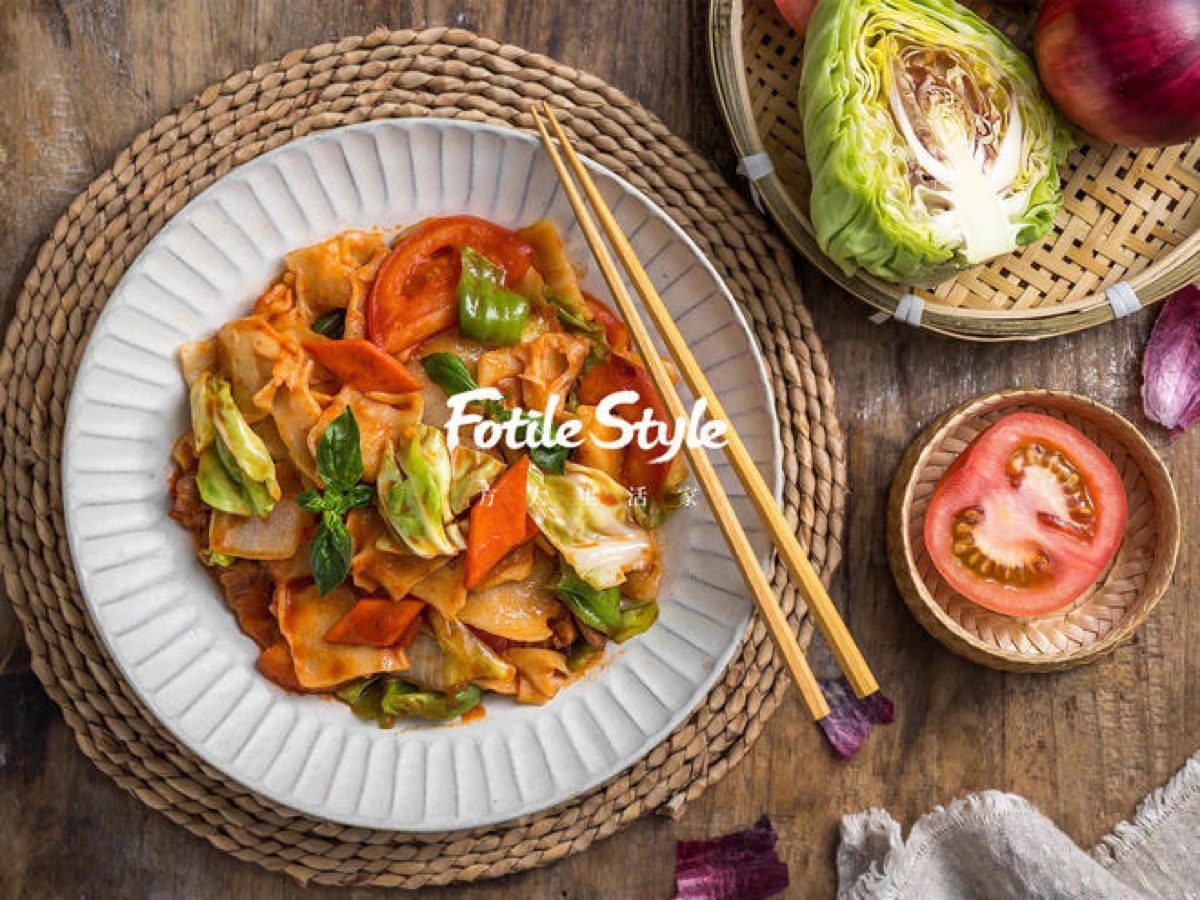
On a freezing evening near Sayram I ordered a bowl of suonashi, ribbons of noodle in a sour tomato broth with a little lamb, and the cold left my bones in three spoonfuls. Soup noodles are the road food I now chase on purpose.
Beyond the famous laghman, Xinjiang runs on soup noodles, bowls of broth with hand-cut or hand-pulled ribbons, a little meat, and a sour or savoury edge that resets a cold, tired driver. They are cheap, fast, and everywhere, the perfect counter to a day of dry snacks. Here is the soup-noodle family, where to find a good bowl, and how to order without guesswork.
The soup-noodle family
The headline dish is suonashi, sometimes called tangmian, ribbons of wheat noodle in a light tomato-and-lamb broth, often with a sour note from tomato or pickle. It is lighter than laghman because the sauce is loose, a broth you drink. Around the south you find chickpea-noodle soups and clear mutton broths with wide noodles. The constant is the hand-made ribbon, pulled or cut to order, which gives the chew that dried noodles never match. Think of it as the warm cousin of laghman, the comfort version for cold passes and late arrivals.
- Suonashi / tangmian: ribbon noodles in tomato-lamb broth
- Chickpea and mutton clear broths in the south
- Hand-made ribbon, the warm cousin of laghman
Why soup beats dry on the road
A broth warms you from inside, hydrates you after a dry desert day, and is gentle on a stomach tired of greasy kebabs. It is also fast, a bowl is usually up in five minutes, ideal when you roll into a town at 21:00 and the grills are closing. For a driver, the salt and warmth fight fatigue better than a sweet snack. Pair it with naan to mop the broth and you have a real meal for the price of a coffee back home. It is the dish I order first when the temperature drops.
- Warms and hydrates after a dry desert day
- Fast, usually five minutes to the table
- Pairs with naan; fights fatigue better than sweets
Where the bowls are best
Every noodle shop and most halal restaurants serve a version; the best are the unglamorous ones near bus stations and night markets where turnover is high. Big plate chicken, da pan ji, is the famous hearty cousin, a deep braise of chicken, potato and wide belt noodles you scrape from the pan, perfect after a long highway day. In small towns the soup noodle stall by the fuel station is often the safest bet for a hot, clean bowl. Street food here is generally careful, but watch that the broth is steaming, a cold bowl is a missed point.
- Unglamorous shops by bus stations and night markets
- Da pan ji: chicken, potato, belt noodles
- Fuel-station stalls are a safe hot-bowl bet
Ordering without the menu
Point at the steaming pot or say the dish name; most shops have one or two soups plus the noodle standards. Ask for an egg or extra noodles if you are hungry, both are normal additions. Spice is usually on the side, a chilli oil or vinegar you add yourself, so taste before you douse. If you want it less sour, say so, the tomato base varies by cook. The etiquette is simple, eat, pay, and leave, these are working shops, not linger spots, though nobody rushes you.
- Point at the pot or name the dish
- Add an egg or extra noodles if hungry
- Chilli and vinegar on the side; taste first
Make it on the road
A vacuum flask turns soup noodles into a mobile meal: buy a takeaway bowl, decant into the flask, and eat it two hours later at a snowy overlook still warm, the trick that makes a parked viewpoint a picnic. Add a flask to your packing list alongside the power bank, it earns its space on every cold leg. This is the same logic as carrying dried meat, control your own hot food and the empty stretch between towns stops being a problem. The broth travels better than you would think if the flask seals.
- Decant takeaway soup into a flask for later
- Add a flask to your packing list
- Control your own hot food on empty legs
Safety and the plain version
Stick to steaming bowls and you avoid the usual street-food risks; the heat kills what matters. If you are unsure about a stall, the big plate chicken in a proper restaurant is the safer hearty option, and it is hard to do badly. Watch street food hygiene in general, a busy shop is safer than a quiet one, and a visible broth pot that stays hot is a good sign. Soup noodles are about as safe as Xinjiang food gets, which is why they are my default on a cold driving day.
- Steaming bowls avoid street-food risk
- Da pan ji in a restaurant is the safe hearty pick
- Busy shop, hot pot, that is the safe sign
| Dish | Broth | Best when | Price |
|---|---|---|---|
| Suonashi / tangmian | Tomato-lamb, sour | Cold evenings | 15-28 RMB |
| Chickpea noodle | Clear, mild | Light lunch | 15-25 RMB |
| Mutton broth noodle | Rich, salty | After a pass | 18-30 RMB |
| Da pan ji | Chicken, potato, noodles | Long highway day | 45-70 RMB |
Practical takeaways
- Order soup noodles when the temperature drops.
- Pair with naan to mop the broth.
- Buy da pan ji in a restaurant if unsure of a stall.
- Carry a flask; soup travels surprisingly well.
Frequently Asked Questions
- What is suonashi?
- Ribbon wheat noodles in a light tomato-and-lamb broth, the warm, soupy cousin of laghman, often with a sour edge.
- Is soup noodle safe to eat from a stall?
- Yes if the broth is steaming; a hot pot kills what matters, and a busy stall is safer than a quiet one.
- How is it different from laghman?
- Laghman is dressed noodles with a thick topping; soup noodles sit in a drinkable broth, lighter and warmer.
- Can I carry it in a flask?
- Yes, decant a takeaway bowl into a vacuum flask and eat it warm later, ideal on cold legs.