

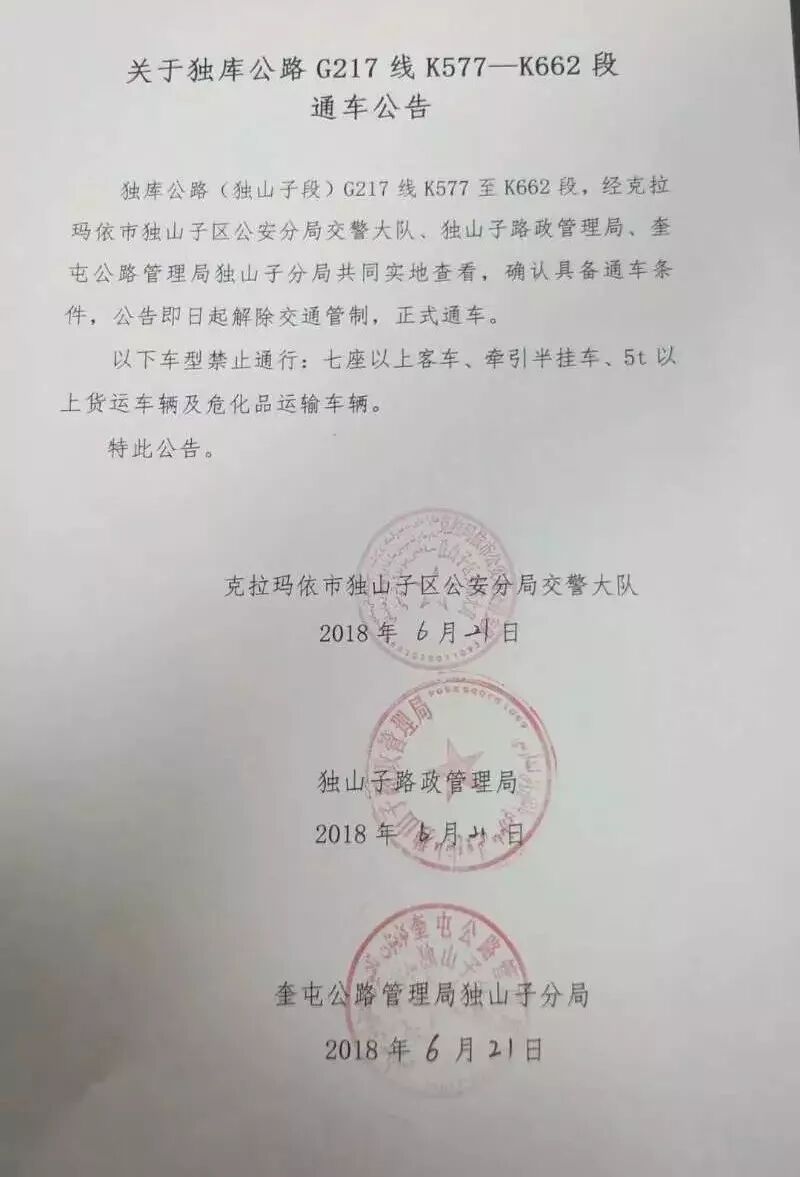
I have driven the Duku in perfect sun and been caught an hour later in a cold rain that turned the switchbacks slick; Xinjiang weather does not announce itself, so I now check the pass before I check the mirror.
Xinjiang’s scale means you can meet four seasons in a day, and bad weather is the single biggest avoidable risk for self-drivers. This guide covers the three situations that catch travellers out: sudden rain and rockfall on mountain passes like the Duku and G217, sandstorms on the Tarim basin and Taklamakan edges, and flash floods in narrow gorges after summer rain. It is different from winter snow driving and from desert heat, because these events are fast, local and easy to walk into if you are not watching. The core habits are simple: check road conditions before leaving, slow down early, and never try to outrun a wall of weather. Pair this with the seasonal closure calendar and your basic safety plan and most bad days stay merely inconvenient.
Rain on the mountain passes
The Tianshan and Kunlun passes can go from dry to raining in minutes, especially in summer afternoons. Rain makes the famous switchbacks slick, reduces visibility, and loosens rock on the cut slopes, so the real dangers are hydroplaning and falling stone rather than the rain itself. When rain starts, drop your speed well below the limit, increase following distance, and use dipped headlights so others see you. Avoid stopping under overhangs where rock might fall, and if the rain is heavy with poor visibility, pull into a safe lay-by and wait rather than crawling blind. Check the road conditions service and local forecasts each morning, because a pass that was open at dawn can close by noon after a storm.
- Rain slicks switchbacks and loosens rock
- Slow early, dipped lights, longer following gap
- Wait out heavy rain in a safe lay-by, not under cliffs
Sandstorms on the basins
The Tarim basin and the edges of the Taklamakan can produce sudden dust and sandstorms that drop visibility to almost nothing and coat the road in a fine film. Unlike rain, a sandstorm gives little warning and can last an hour or more. The right move is to slow hard, turn on headlights and hazard lights so you are visible, and pull fully off the road if you cannot see the lane markers, rather than creeping along and becoming a stationary hazard in the travel lane. Keep windows up and ventilation closed to protect passengers, and resume only when visibility returns. Plan basin drives for early morning when storms are less likely, and always keep a buffer of fuel because a long wait burns time you did not budget.
- Visibility can drop to near zero fast
- Slow, lights on, pull fully off if blind
- Drive basins early; keep a fuel buffer
Flash floods in gorges
Summer thunderstorms can send a wall of water down a dry gorge within minutes, and the danger is that the road looks fine until it is not. Never cross a flooded section of road, even if local cars ahead went through; the depth and the washed-out edge are invisible, and a 4WD will not save you from being swept. If you see rising water or hear a roar upstream, back out to high ground and wait. This is especially true on the desert and mountain roads where wadis cross the tarmac with no bridge. Build your daily plan so you are not timing a gorge crossing for the afternoon storm window, and treat any flowing water over the road as a hard stop.
- Water over the road means turn back
- Depth and edge are invisible; do not risk it
- Avoid gorge crossings in the storm window
A simple pre-trip routine
None of this requires special gear, just discipline. Each morning check the forecast for every pass and basin on your route, note the road conditions hotline or app updates, and set a turn-around time so you are not tempted to push through worsening weather. Carry water, a warm layer and a phone charger even on short legs, because a weather wait can stretch. Tell someone your plan if you are going remote, and keep your car rental contact handy. Bad weather driving is mostly about deciding early: the drivers who get stuck are usually the ones who waited to see if it would clear. Make the conservative call and the trip stays on schedule in the ways that matter.
- Check forecast and road conditions each morning
- Set a turn-around time before weather worsens
- Carry water, warm layer and a charged phone
| Hazard | What to do |
|---|---|
| Pass rain | Slow early, dipped lights, avoid cliff overhangs |
| Sandstorm | Lights on, pull off if blind, wait it out |
| Flash flood | Never cross flowing water, back to high ground |
| General | Check conditions, set a turn-around time |
Practical takeaways
- Check pass and basin forecasts every morning.
- Slow at the first drop of rain, do not wait.
- Treat water over the road as a hard turn-back.
- Set a turn-around time before weather worsens.
Frequently Asked Questions
- What is the biggest weather risk for self-drivers?
- Fast, local events like pass rain, basin sandstorms and gorge flash floods, which are easier to walk into than the slower seasonal snow or heat.
- Should I keep driving in a sandstorm?
- No, slow hard with lights on and pull fully off the road if you cannot see lane markers, then wait for visibility to return.
- Is it safe to cross a flooded road if others did?
- No, depth and washed-out edges are invisible and a 4WD will not save you; treat any flowing water over the road as a hard stop.
- How do I plan around bad weather?
- Check the forecast and road conditions each morning, set a turn-around time, and avoid timing gorge or pass crossings for the afternoon storm window.