

I drove a rented electric SUV from Urumqi toward Turpan and watched the range gauge drop faster than the map promised once the highway climbed, and I learned the hard way that the size of Xinjiang makes charging planning a real skill, not an afterthought. That trip changed how I brief every electric driver who asks.
An electric vehicle can absolutely handle a Xinjiang road trip, but the scale of the region means you plan charging the way you once planned fuel, with extra margin. City centers and the main expressways now have a usable fast-charging network, yet the remote passes and the Pamir remain thin. This guide explains where chargers are reliable, how to route around gaps, and what to carry so a flat battery never strands you two hundred kilometers from a town. Range anxiety here is real because distances between services can exceed a single charge, so the strategy is to top up often and never gamble on a remote stall.
Where the network is solid
Fast chargers cluster in the big cities: Urumqi, Korla, Kashgar, Yining, Karamay and Turpan all have multiple public stations from State Grid and private operators, many rated 60 to 120 kW. The G30 Lianyungang to Khorgos expressway has chargers at several service areas, so an east-west crossing is broadly feasible if you stop every 200 to 300 km. The G3012 southern loop around the Taklamakan has gaps, and the Duku and Karakoram mountain roads have almost none, so those legs need a full battery at both ends. I check navigation apps that show charger locations and live status, but treat the map as a hint and confirm with a second source because a broken unit is common. I plan each day around two guaranteed city charges and treat remote stalls as bonuses, never as the plan.
- City chargers in Urumqi, Korla, Kashgar, Yining, Karamay, Turpan
- G30 has service-area chargers every 200 to 300 km
- G3012 and mountain roads have gaps or none
- Apps show status but verify with a second source
- Plan two city charges daily; treat remote as bonus
Range reality on long legs
Cold weather cuts real range by 20 to 35 percent, and high passes add drag, so a car rated at 400 km may deliver 260 km on a winter Pamir day. The Taklamakan crossing between Korla and Kashgar is about 1,000 km with thin charging, so most electric drivers break it in two with an overnight charge in Aksu or Kuqa. Driving distances in Xinjiang are unlike anywhere else in China; a single gap can be longer than a full charge, so I never leave a city below 90 percent and I arrive at the next charger with at least 20 percent in reserve. An electric SUV for car rental is possible in Urumqi, but confirm the real-world range and the charging card before you sign, because the quoted number is optimistic. Think of charging the way you once tracked fuel on a long desert leg, and build the habit early.
- Cold cuts range 20 to 35 percent
- Pamir winter range can fall to 260 km
- Korla to Kashgar ~1000 km, charge in Aksu or Kuqa
- Never leave a city below 90 percent; keep 20 percent reserve
- Confirm range and card on an EV rental
What to carry and how to pay
Bring the operator app and a separate RFID card where offered, because phone signal drops on remote roads and a card still works. A portable 16A charger lets you top up at a guesthouse wall socket overnight, slow but safe. Carry the standard public charging gun adapter and a long extension for awkward bays. Payment is through the app or WeChat; foreign cards rarely link, so arrange a local payment method or have your rental include charging credit. For what to pack on an EV trip, the portable charger and backup card top the list, and I keep a paper list of the next three charger towns with distances because the app may go dark exactly when I need it. A 12V compressor and a warning triangle belong in every car, electric or not, for the rare roadside stop.
- Operator app plus a backup RFID card
- Portable 16A charger for overnight wall power
- Standard adapter and long extension
- Arrange local payment or rental credit
- Paper list of next three charger towns
Routing around the gaps
Build loops that start and end at a charging city rather than point-to-point desert crossings. Pair Turpan and Korla with Urumqi so each leg begins charged; use Yining as the hub for the Ili valley; treat Kashgar as the anchor for the south and the Pamir, charging fully before any mountain day. If a stall shows offline, the nearest alternative is often the next city, not the next exit, so build buffer into the day. I avoid the Duku and Karakoram in a low-range electric car entirely and switch to a hybrid or petrol rental for those legs. Planning your route around chargers is now part of the fun, and the empty highways reward the careful planner with clean, quiet miles.
- Loop from a charging city, not point to point
- Turpan and Korla pair with Urumqi
- Yining hubs the Ili valley; Kashgar anchors the south
- Offline stall means next city, not next exit
- Skip Duku and Karakoram in a low-range EV
| Corridor | Charger density | Plan | Risk |
|---|---|---|---|
| Urumqi to Korla G30 | Good | Charge every 250 km | Winter range drop |
| Korla to Kashgar G3012 | Sparse | Overnight in Aksu or Kuqa | Long gaps |
| Ili valley from Yining | Fair | Yining hub | Mountain legs thin |
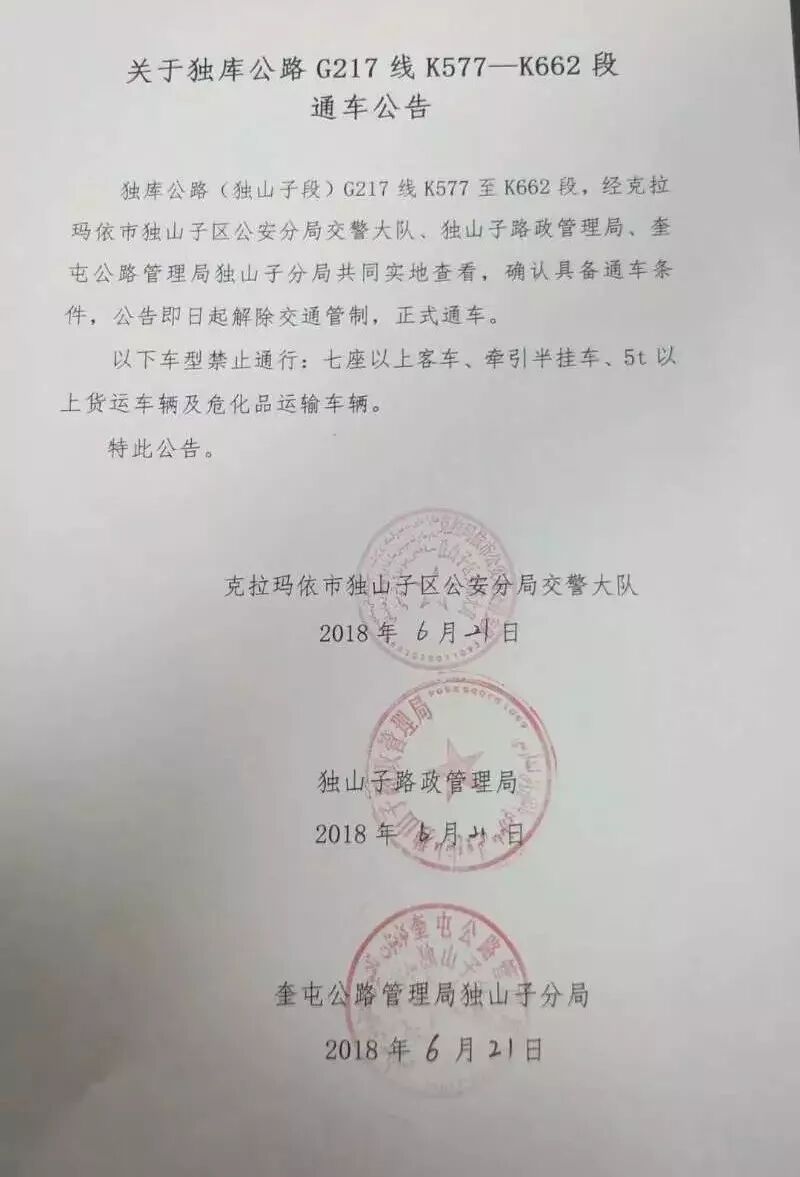
| Duku and Karakoram | Very low | Use petrol or hybrid | Stranding risk |
Practical takeaways
- Top up in every city; never gamble on a remote stall.
- Carry the app plus a backup RFID card for no-signal stops.
- Keep 20 percent reserve and a list of the next three charger towns.
- Skip the Duku and Karakoram in a low-range electric car.
Frequently Asked Questions
- Can you drive an EV across Xinjiang?
- Yes on the main expressways and between cities, but break long desert legs with an overnight charge and avoid the Duku and Karakoram in a low-range car.
- How far can an electric car go here?
- Expect 20 to 35 percent less than the label in cold or at altitude; a 400 km car may manage 260 km on a Pamir winter day.
- Do I need a Chinese payment app to charge?
- Usually yes for the operator apps; arrange a local method or rental charging credit, because foreign cards rarely link.
- What if the only charger nearby is broken?
- The next reliable one is typically the next city, so keep reserve range and a paper list of charger towns with distances.