

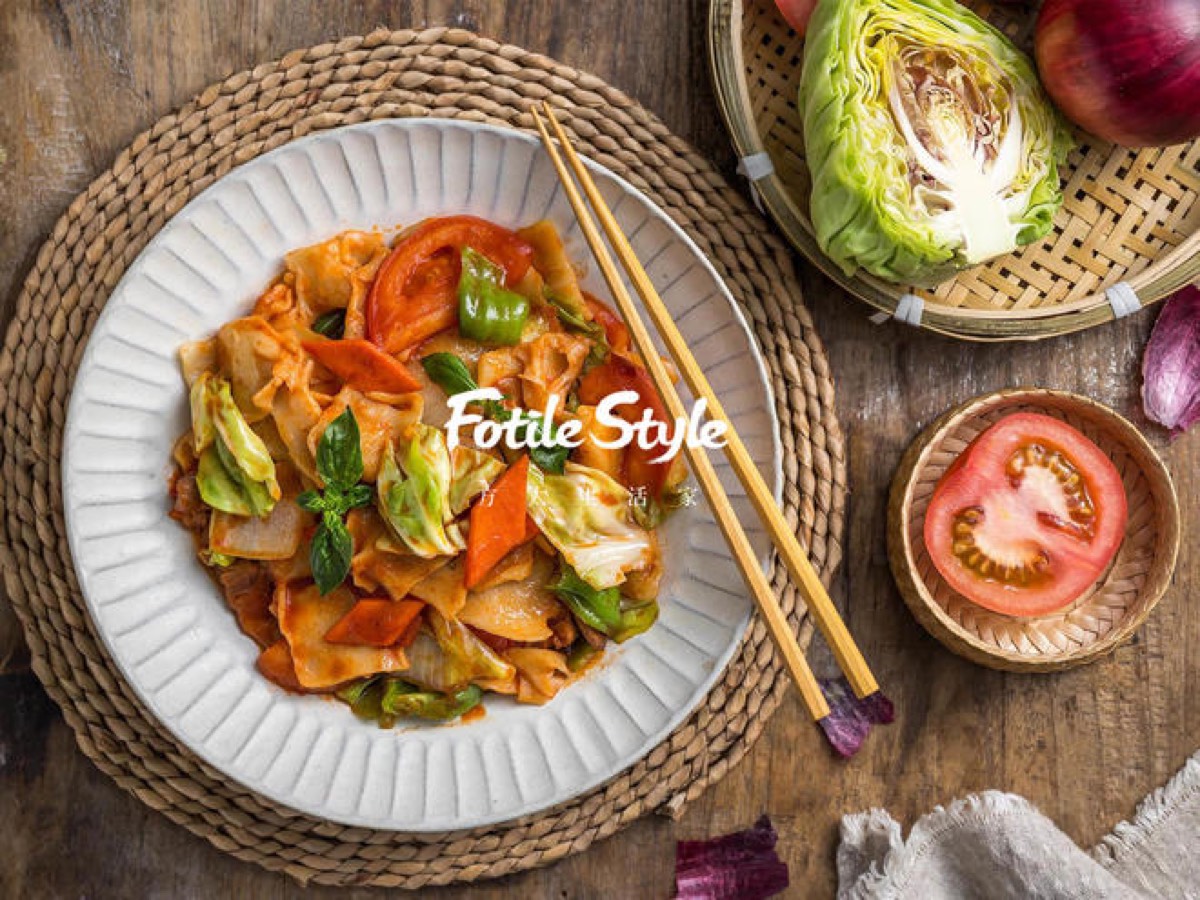
Order laghman in Urumqi and the same noodles in Hotan and you will taste two different regions on one plate.
Xinjiang is not one cuisine but several, split roughly along the Tianshan Mountains. The north leans pastoral and Russian-influenced, built on wheat, dairy and the grasslands of Ili. The south is oasis agriculture at its most intense, a belt of mutton, melons and the long tradition of the Tarim towns. Understanding the split helps you order better, budget realistically, and avoid the tourist-trap plates that taste the same everywhere. This guide walks the real differences a self-driver meets on the plate, from polo to naan to the kebabs that change character every few hundred kilometers.
The north: wheat, dairy and the grassland table
Drive the Ili Valley and the food tells you where you are. Northern cooking is wheat-forward and dairy-rich, shaped by Kazakh and Mongolian herding culture as much as by Uyghur town life. You will meet more milk tea, more kaymak clotted cream, and a softer, thicker naan baked with milk and butter. Laghman here is often broader and dressed with tomato and a little sour cream on the side, while polo is lighter, using raisins and carrot rather than the heavy mutton fat of the south. The Russian footprint shows in the bread and the preserved fish of the northern lakes. If your route runs Urumqi to Yining, expect the table to get creamier and the portions to get heartier the farther west you go.
- Wheat and dairy dominate the northern plate
- Kaymak, milk tea and butter-naan are northern signatures
- Laghman is broader; polo is lighter with raisin and carrot
The south: oasis mutton, melons and deep spice
South of the Tianshan the towns run on irrigation, and the cooking follows the canal. Mutton is the centerpiece, grilled hard over charcoal as kebabs or slow-braised into the dense, oily polo you find in Kashgar and Hotan. The naan is thinner, drier and built to travel, which is why every southern bus station smells of it. Spice is deeper and the cumin is heavier, but the heat stays mild; this is flavor, not fire. The real southern luxury is fruit: the melons of Hami and the grapes of Turpan are famous because the desert climate concentrates sugar in a way northern farms cannot match. A southern road trip is a study in how a single ingredient, mutton, can define a whole regional identity.
- Mutton is the centerpiece, grilled or slow-braised
- Naan is thin and dry, made to keep for days
- Melons and grapes are the southern dessert crown
Staples that change by region
The same dish name hides real variation. Polo in the north is a fluffy rice pilaf with carrot and raisin; in the south it is a greasier, denser mound under a slab of rib. Naan shifts from the soft milk-loaf of Ili to the crisp sesame disc of the Tarim. Even the kebab differs: northern skewers are chunkier and often with fat interleaved, while southern kawap is finer-ground, pressed onto the skewer and heavily cumined. Knowing this stops you from judging a Kashgar plate by Urumqi standards. The practical takeaway for a driver is to treat each town as its own menu and order the local version rather than the generic hotel buffet.
- Polo: fluffy northern vs dense greasy southern
- Naan: soft milk-loaf north vs crisp sesame south
- Kebab: chunky northern vs fine-ground southern
What stays the same everywhere
For all the regional split, some things unite the table. Halal preparation is universal, so pork never appears and alcohol is rare outside hotel bars. Tea is the default greeting and the default digestif. Bread and mutton appear at every stop from the G30 to the G3012. The dough dishes, laghman and the hand-pulled noodles, show up in both halves, just dressed differently. This consistency is a comfort on a long drive: whatever town you roll into at dusk, you can count on a hot plate of noodles, a round of naan and a pot of tea, and the differences are the part worth seeking out rather than avoiding.
- Halal everywhere; no pork, little alcohol
- Tea is the universal welcome and digestif
- Noodles and naan appear in both halves of the region
How to eat regionally on a road trip
Plan your food stops the way you plan fuel. In the north, seek the yurt settlements and the dairy stalls of Ili; in the south, aim for the night markets of Kashgar and the melon stands of the oasis towns. Avoid the generic big-plate chicken near every highway exit and instead walk two streets back from the parking lot, where the local version lives. Learn a few Uyghur phrases and a smile gets you the fresh, just-out-of-the-tandir bread. The reward is a trip where the food tells the geography, and where every region adds a distinct memory to the drive.
- North: yurt dairies and Ili stalls
- South: Kashgar night markets and oasis melons
- Walk off the highway exit to find the real local plate
| Trait | Northern Xinjiang | Southern Xinjiang |
|---|---|---|
| Base staple | Wheat, dairy | Wheat, mutton |
| Signature fat | Butter, cream | Mutton fat, oil |
| Naan style | Soft milk-loaf | Thin dry disc |
| Famous crop | Pasties, herbs | Melons, grapes |
| Spice level | Mild, cumin-light | Mild, cumin-heavy |
Practical takeaways
- Order the local polo, not the hotel version; the regional difference is the point.
- Buy naan still warm from the tandir, away from the tourist frontage road.
- Carry dried fruit and nuts so remote northern drives never leave you hungry.
- A few Uyghur greetings unlock fresher bread and friendlier portions.
Frequently Asked Questions
- Is northern or southern food better?
- Neither is better; they are different. The north is dairy-rich and wheat-soft, good for pastoral comfort food. The south is mutton-forward and spice-deep, good for oasis intensity. A full loop lets you enjoy both.
- Will I find vegetarian food in both regions?
- Yes, though options are slimmer in the mutton-heavy south. Northern dairy, eggs and vegetable laghman help; southern towns offer naan, vegetables and fruit. Clear communication about no meat broth is important.
- Is the food safe for travelers?
- Street food from busy stalls is generally safe because of high turnover. Stick to cooked-hot dishes, peel your own fruit, and use the road-trip water rules for brushing teeth in remote areas.
- Why does naan taste different across towns?
- Each bakery adapts the basic dough to local fuel, milk access and travel needs. Southern naan is dry and durable for caravans; northern naan is softer from milk and butter. Both come from the same tandir tradition.