

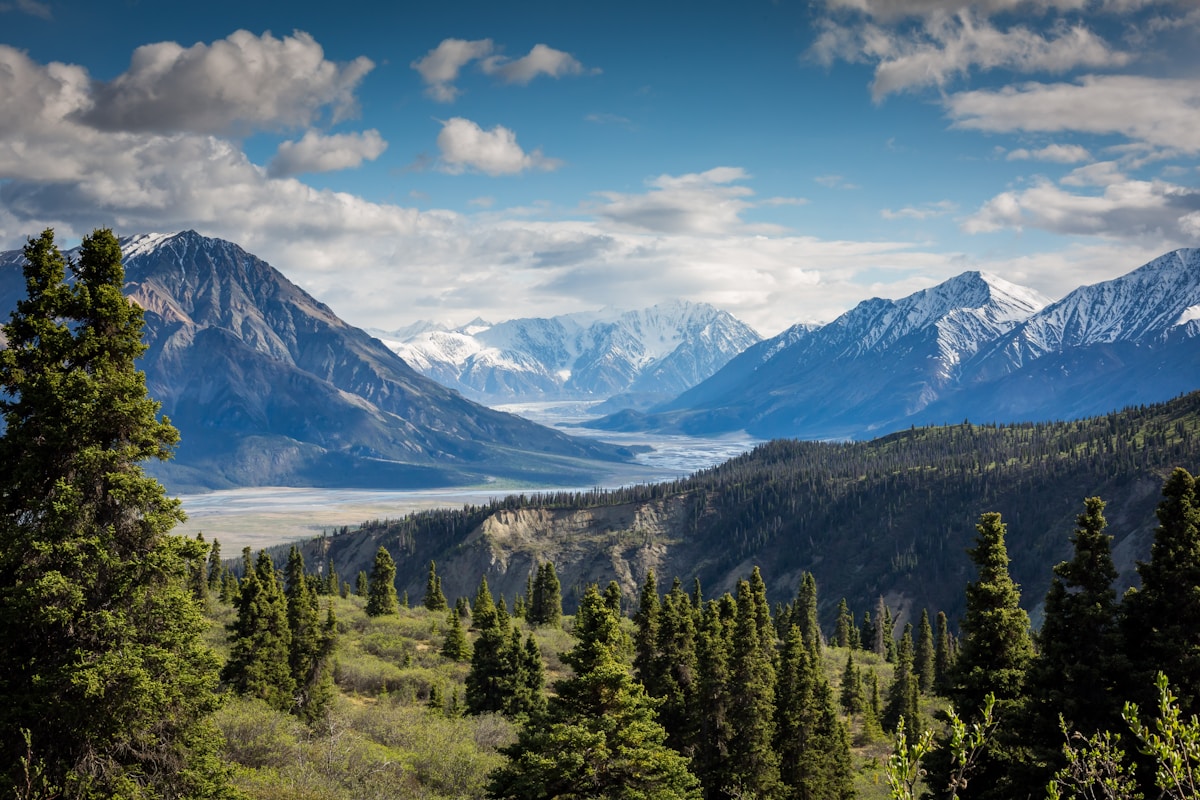
The first time I saw the Tian Shan I understood why the old name means Heavenly Mountains, because the snow line above the desert is a wall of white that rewrites the horizon.
The Tian Shan, or Heavenly Mountains, are the spine of Xinjiang, a vast range that splits the region into a wet north and a dry south and feeds the rivers that make the oases possible. For a self-driver the range is both the backdrop and the road, because the passes carry you from basin to basin and the lake at its foot is a headline stop. This guide covers what the range is and why it matters, the climate and the snow line, the roads and passes that cross it, the Heavenly Lake and the winter face of the mountains, the best time to visit, and the road safety habits the high road demands.
What the Tian Shan are and why they matter
The Tian Shan is a long mountain system that runs across the heart of Xinjiang and beyond, and it is the reason the region has two such different halves: the glaciated north that feeds rivers and forests, and the rain-shadowed south that shades into the Taklamakan. The range catches the moisture, and the meltwater fills the lakes and the oasis fields, so every green town in the region owes the mountains its life. For the driver the Tian Shan is the wall you cross to move between worlds, and the viewpoints along the northern road show the snow line above the desert in a single frame. The mountains are also a cultural boundary and a weather machine, and understanding them explains why the road climbs where it does. The range is the region in miniature: high, green, and white at the top, dry and open below.
- Spine splitting wet north from dry south.
- Meltwater feeds lakes and oasis fields.
- The wall you cross between the two halves.
Climate, glaciers, and the snow line
The range is high enough to hold glaciers year round, and the snow line sits well above the treeline, so even in summer the upper slopes stay white while the foothills green. The northern face is wetter, with pine and pasture, while the southern slope falls into the dry basin, a sharp change you feel as you cross a pass. Winter locks the high country in snow and closes the mountain roads, so the range dictates the season of the whole region, and the warm months are when the passes open and the lakes clear. The glaciers are the slow engine of the rivers, and a warm spell that shrinks them is a signal the locals watch. The climate is the story of the mountains, and the driver who reads the snow line reads the road ahead.
- Glaciers year round above the treeline.
- North wet, south dry across a pass.
- Winter closes the high roads.
The roads and passes that cross the range
The highways cross the Tian Shan through a handful of passes, and the Duku Highway is the famous one, a high road that links the north and the south through switchbacks and tunnels in a single dramatic day. Other routes use lower passes that stay open longer, but all of them climb from the basin into the cool pine zone and back down, so the drive is a steady up and down rather than a flat run. The passes are the engineering heart of the region, and a clear day on the high road is a highlight, while a fogged pass is a slow crawl. The best time to visit the passes is the warm season and a clear window, because the range does not forgive a winter push. Plan the crossing for the season the mountains allow, and the road answers the range.
- Duku Highway links north and south.
- Lower passes stay open longer.
- Cross in the warm season, clear window.
Heavenly Lake at the foot of the range
Heavenly Lake is the signature stop of the northern Tian Shan, an alpine lake at about two thousand meters set below the snow peaks and rimmed with pine, reachable by a short paved road from Urumqi. The lake is a half day visit with a boat, a shore walk, and the view of the white summit behind the water, and it is the easiest way to meet the range without a long climb. The far northwest holds Kanas Lake, another glacial lake of the same Tian Shan system, but Heavenly Lake is the one you reach without the long northern haul. The site is busy in the peak but calm at the edges of the day, and the morning light on the water is the postcard. For the self-driver the lake is the gentle opener that proves the mountains’ scale before the long northern road, and it pairs well with a city night.
- Alpine lake below the snow peaks.
- Half day visit from Urumqi.
- The gentle opener to the range.
The winter face of the mountains
Winter turns the Tian Shan into a snow range that closes the high roads and shifts the driving to the basin highways, where the cold is dry and the passes are shut. The ski slopes near the northern cities open, and the lake freezes, so the range offers a different trip for the driver who comes in the cold, but the self-drive must stay on the open roads and respect the ice. The winter season is beautiful but limiting, because the green loop and the high passes are off the table, and the desert south becomes the practical route. Dress the car for the cold, carry the chains where required, and keep the days short, because the light fails early and the road is slick. The winter face is the range at rest, and the wise driver admires it from the open basin.
- Winter closes the high roads.
- Ski slopes open; lake freezes.
- Stay on open basin roads; respect ice.
Road safety on the high road
Road safety on the Tian Shan passes is about speed, sightline, and weather, because a switchback in fog or a slick descent is the real risk, not the distance. Keep the speed down on the climb, use the low gear on the way down to save the brakes, and never overtake where the bend hides the oncoming lane. The Duku and the other high roads can fog or ice without warning, so check the gate status in the valley and turn back if the cloud is solid at the top. Road safety also means a rested driver and a full cooler, because the passes are far from help and a breakdown up high is a long wait. The mountains reward the careful and punish the rushed, so the high road is best taken slow, lit, and early.
- Low gear down; slow on the climb.
- No overtaking where the bend hides.
- Check gate; turn back if cloud is solid.
| Season | Range | Road |
|---|---|---|
| Summer | Green, glaciers white | Passes open |
| Autumn | Clear, gold foothills | Good driving |
| Winter | Snow, frozen lake | High roads shut |
| Spring | Melting, variable | Check status |
Practical takeaways
- Cross the passes in the warm season and a clear window.
- Use low gear on the descent; never overtake blind.
- Visit Heavenly Lake as the gentle northern opener.
- Check the gate status; turn back if the cloud is solid.
Frequently Asked Questions
- What does Tian Shan mean?
- Heavenly Mountains. The name fits the snow line above the desert, a wall of white that divides the wet north from the dry south.
- Can I cross the range by car?
- Yes, via the Duku Highway in the warm season or lower passes that stay open longer. Winter closes the high roads.
- Is Heavenly Lake part of the Tian Shan?
- Yes, it is the signature alpine lake at the northern foot, reachable by a short paved road from Urumqi.
- When is the best time to visit?
- The warm season from May to October, when the passes are open and the lake is clear. Winter shuts the high roads.