

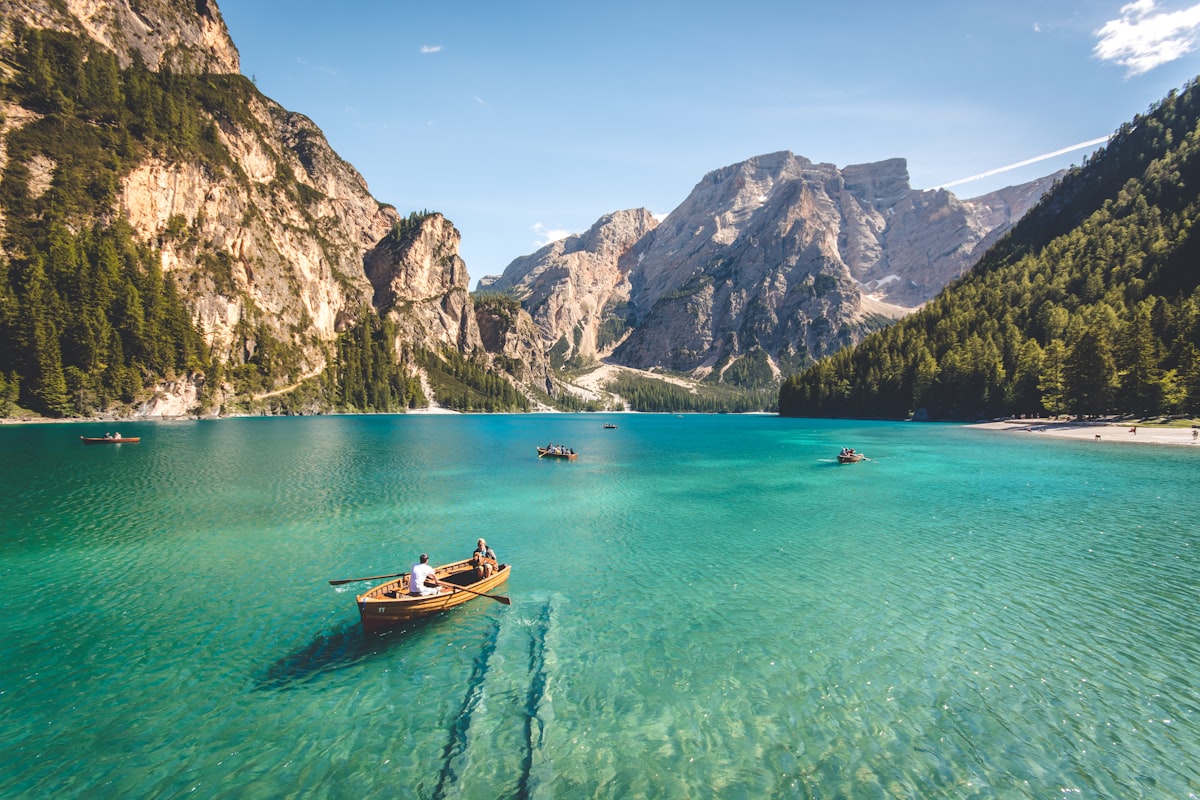
I pitched a tent at Sayram at 3 am and the lake went from black to silver to gold in two hours — it’s the Atlantic’s ‘last tear’ and it earns the name, especially when the wind finally drops and the water turns to glass.
Sayram Lake (about 2,070 m) is Xinjiang’s largest alpine lake, fed by meltwater and ringed by grassland. The ‘last tear of the Atlantic’ tag comes from the westerly moisture that dies here. Camping and cycling the ring road are the experiences; here’s how to do them right, where to base, and how Sayram slots into a northern Xinjiang driving route as the gentle high point before the bigger climbs of the Duku and Kanas.
The ring road — driving and cycling the shore
Sayram Lake sits at about 2,070 m in the Bortala Mongols’ Autonomous Prefecture, just west of the Ili Valley, and a paved loop of roughly 90 km circles the water. I’ve done it both ways: a rental e-bike from the gate is the slow, intimate option, and the whole loop at a relaxed pace is a full day, while a section — east shore to south cliff — is a happy half-day. The east shore gives the classic mirror reflection; the south shore has fewer people and better golden-hour light on the rock. Wind builds after midday, so cyclists should start early. The road is in good shape but the climbs along the south are real, and at altitude your legs tire faster than they would at home — pace it. The payoff of the loop is that the lake never repeats: meadow, scree, marsh and cliff in one circuit.
- ~90 km paved loop, cycle or drive
- East shore = classic reflection; south = quiet light
- Wind builds after midday — start early
Camping — managed sites, cool nights, dawn payoff
Designated lakeside campsites allow tents and a few yurts; wild camping outside the zones is discouraged, so use the managed sites that have toilets and a small shop. Summer nights run 8–15°C and the shore is bug-prone, so I bring a fleece, a liner and repellent and I secure the tent well because the wind that picks up at noon doesn’t fully drop till late. The dawn reflection is the entire reason to camp: the water goes from black to silver to gold in about two hours and you have it to yourself. A lakeside yurt is the warmer fallback if you don’t want canvas. Book the site ahead in July–August; walk-in space exists in June and September but the good pitches go early.
- Managed sites only; wild camping discouraged
- Nights 8–15°C, bug-prone near water
- Dawn reflection is the payoff — secure the tent
Best season — and why the Ili Valley matters
The best season is June to September, when the gate is open and the grassland is green; July and August ring the shore with wildflowers and the most campers, while June and September are cooler and quieter. If you’re building a northern Xinjiang driving route, Sayram is the natural first alpine stop after the Ili Valley’s lavender and grassland, which is why I often open a 7-day northern loop here before pushing east to the Duku. Winter freezes the lake solid and tightens access, so only attempt it if you’re set up for snow. Wind is the constant — even on a calm morning it can gust — so orient the tent door away from the open water and weight the corners. The lake’s nickname comes from the westerly moisture that dies here, and on a still dawn you understand the line.
- Best season Jun–Sep; Jul–Aug flowers
- Pairs with the Ili Valley lavender
- Opens a 7-day northern loop before the Duku
Logistics — base, fuel, tickets
Bole, about 30 km south, is the practical base with hotels, fuel and a train station; I fuel there before entering because the gate area has a ticket and a shuttle option but no real petrol. The entrance ticket covers the ring road; a shuttle bus runs if you’d rather not drive the loop. Staying in Bole saves money over lakeside yurts and gives you a hot shower, which after a cold camp night is gold. See the lodging and itinerary guides for overnights. Signal is patchy on the north shore, so download offline maps before you leave Bole and tell someone your plan. The gate opens early; I aim to be at the shore 30 minutes before sunrise to claim a reflection spot.
- Base in Bole, 30 km south, fuel there
- Ticket covers the ring road; shuttle optional
- Patchy signal — download offline maps
What to shoot
Dawn from the east shore is the headline — still water, the first light on the far ridge, and few people. Golden hour from the south cliffs is the second act, and on clear nights the star field is remarkable because light pollution is low. A wide lens and a tripod are the kit; mind the wind on the tripod legs or the long exposure smears. Reflections need zero wind, so check the surface before you set up — some mornings a faint breeze is enough to break the mirror. Drones are allowed in places but restricted near the gate and any restricted zone, so ask locally before you launch. I’ve come away with my best Xinjiang landscapes here precisely because the lake does half the composition for me.
- Dawn east shore = mirror reflection
- Golden hour south cliffs; dark skies for stars
- Tripod needs weighting against the wind
How it fits a northern loop
Sayram is the hinge of a northern Xinjiang driving route: arrive from Urumqi or Yining, camp or stay in Bole, then either drop south to the Duku or continue east toward the grasslands. A 7-day northern loop typically opens here and closes at Kanas, with the lake as the gentle high point before the bigger climbs. I like to do Sayram relaxed — one full day, not a rushed photo stop — because the altitude and the quiet are the point. If you’re short on time, a half-day drive of the east shore plus a sunset is enough to get the postcard, but you’ll miss the dawn that makes people come back. Pair it with the Ili Valley lavender in July and you have the green-and-gold north in one trip.
- Hinge of a northern loop: Urumqi/Yining → Kanas
- Relaxed full day beats a rushed stop
- Pair with Ili Valley lavender in July
| Item | Detail |
|---|---|
| Ring road | ~90 km paved, cycle or drive |
| Camping | Managed sites, 8–15°C nights |
| Best season | Jun–Sep; Jul–Aug flowers |
| Base | Bole, 30 km south, fuel there |
Practical takeaways
- Secure the tent — midday wind is real.
- Base in Bole and fuel there before the gate.
- Shoot dawn from the east shore for the mirror.
- Open a northern loop here, then push to the Duku.
Frequently Asked Questions
- Can you camp at Sayram Lake?
- Yes, at managed lakeside sites; wild camping is discouraged. Summer nights are cool and buggy, so bring a fleece and repellent.
- What is the best season to visit?
- June to September is open and green; July–August brings wildflowers and the most visitors, June and September are quieter.
- Is cycling the full loop realistic?
- About 90 km paved; a relaxed full day or a half-day section on the east shore. Start early — wind builds after midday.
- Where should I base myself?
- Bole, 30 km south, has hotels, fuel and a train; it’s cheaper than lakeside yurts and gives you a hot shower.