

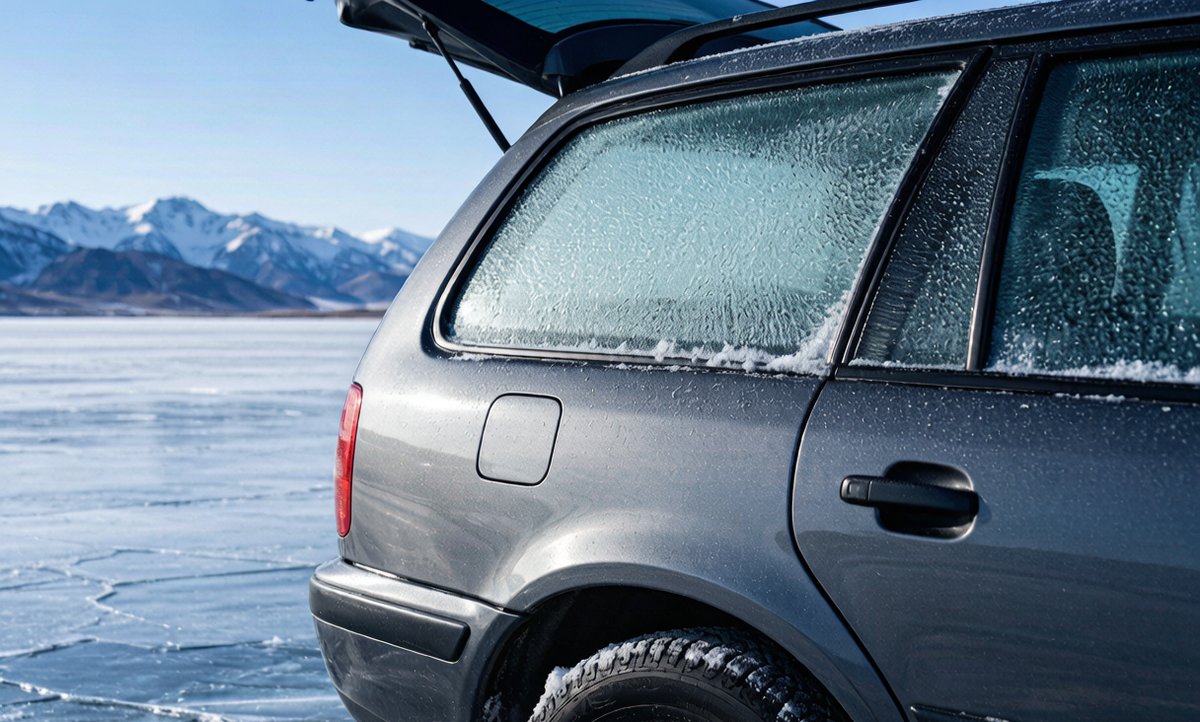
On a February drive the heating in my first ‘winter-ready’ room conked out at minus 18, and I spent the night in every layer I owned — now I interrogate the heater before I unpack.
Winter self-driving in Xinjiang is spectacular and empty, but your hotel choice decides whether you enjoy it or endure it. From December to March, the difference between a good room and a bad one is a heater that actually works, pipes that haven’t frozen, and a host who answers at 2 a.m. The cold strips away the marginal places, so the booking rules that don’t matter in July become everything in February. This guide covers what to check, where the reliably warm towns are, and how to avoid a frozen-pipe nightmare on a snow-bound road.
Heating is the only metric that matters
Forget star ratings in winter; ask one question: what heats the room, and does it run all night? Central heating tied to a town schedule can switch off at midnight; a wall-mounted unit (electric or gas) you control is better. Under-floor heating in newer hotels is ideal. I test it within five minutes of arrival and ask the desk what happens if it fails at 2 a.m. — a good hotel says ‘call me’, a bad one shrugs. At minus 20 a dead heater is an emergency, not an inconvenience, so this check is non-negotiable. A room that’s 16 degrees when you arrive will not magically warm up.
- Ask: what heats it, all night?
- Wall unit you control beats scheduled central heat
- Test within 5 min; know the 2 a.m. plan
Frozen pipes and water
In cold towns, water supply is the weak link: some guesthouses cut it overnight or the pipes freeze, leaving a trickle. Ask whether hot water is 24-hour and whether they winterise the plumbing. Newer four-stars in Urumqi, Shihezi and Korla handle this; old lane guesthouses often don’t. I carry a 5-litre jerry of drinking water and wet wipes as backup on any winter trip. If the host says ‘water comes and goes’, believe them and plan accordingly — a cold wipe-down beats a frozen shower argument at 7 a.m.
- Ask if hot water is 24h and pipes winterised
- New 4-stars in big towns are safe
- Carry backup water + wipes
Which towns stay warm and open
Urumqi, Shihezi and Korla keep heating and services through winter and are the safe bookends. Turpan is mild and open but windy; the Flaming Mountains side is pleasant. Mountain towns like Nalati and Hemu mostly close or run skeleton staff from November to April, so don’t plan a winter night there unless you’ve confirmed. Karamay is cold but well-built for it. I use the warm cities as winter bases and day-trip onto snowy highways rather than sleeping high. The empty roads are the reward; the warm bed is the point.
- Urumqi/Shihezi/Korla: reliable winter
- Turpan: mild, windy, open
- Mountain towns mostly closed Nov-Apr
Booking and driving in
Winter rooms are plentiful and cheap (often 30-40% below summer), but the good heated ones go to locals and regulars, so book 3-5 days ahead and name your heater requirement. Tell the hotel your ETA; if you’re delayed by a closed pass, they’ll hold the room in winter more readily than summer. Park off the street where snowploughs won’t bury you, and don’t leave the car running unattended. I message the desk the morning of arrival: ‘heater must work, I arrive at X’. It sounds fussy; it prevents the worst night of the trip.
- Book 3-5 days ahead, name the heater need
- Tell ETA; winter holds rooms easier
- Park clear of snowplough paths
What to pack for the room
A thin sleep sheet adds warmth and hygiene, a power bank keeps your phone alive in a cold room that may kill the outlet, and a pair of thick socks doubles as bed slippers on cold tile. I bring a small thermometer; if the room can’t hold 18 degrees with the heater on, I ask to move. A hot-water bottle is gold when the unit cycles off. None of this is luxury — at minus 20 it’s the difference between sleeping and shivering, and a shivered night ruins a snowy drive day.
- Sleep sheet + thick socks
- Power bank (cold kills outlets)
- Hot-water bottle for off-cycles
Safety and emergencies
Winter hotels in remote towns may have no staff overnight, so note the nearest hospital and keep your phone charged. Carbon-monoxide from makeshift stoves is a real risk in unregulated rooms — if you smell fuel or feel dizzy, open a window and move. I keep the window cracked an inch even when cold, just for air. Tell someone your hotel name and town each night; in a whiteout, that information is what rescuers need. The empty winter Xinjiang is safe but unforgiving, and a warm, vetted room is your anchor.
- Note nearest hospital; phone charged
- CO risk from makeshift stoves – crack a window
- Share hotel + town with someone nightly
| City | Heating | Water | Book ahead |
|---|---|---|---|
| Urumqi | Reliable | 24h | 3-5 days |
| Shihezi | Reliable | 24h | Few days |
| Korla | Reliable | 24h | Few days |
| Mountain towns | Closed/skeleton | Unreliable | Confirm first |
Practical takeaways
- Test the heater in the first five minutes.
- Carry backup water and wipes for frozen pipes.
- Book warm-city bases; day-trip onto snow.
- Crack a window for air; note the nearest hospital.
Frequently Asked Questions
- Are mountain guesthouses open in winter?
- Mostly no; Nalati, Hemu and similar close or run skeleton staff Nov-Apr, so confirm before planning a night.
- How do I know the heater works?
- Test within five minutes of arrival and ask the desk the 2 a.m. failure plan; a controlled wall unit beats scheduled central heat.
- Is winter cheaper?
- Yes, often 30-40% below summer, but book the reliably heated ones ahead as regulars take them.
- What’s the CO risk?
- Real in unregulated rooms with makeshift stoves; crack a window and move if you feel dizzy.