

The Xinjiang winter 2026 season is shaping up to be one of the liveliest in years for cold-weather travelers. Across the north and west, towns are rolling out ice lantern festivals, snow festivals, and — the quiet star of any winter trip — steaming open-air hot springs backed by snow. This roundup covers what is on, where to point the car, and how to handle the roads once the temperature drops.
 }
}
Ice lantern and snow festivals
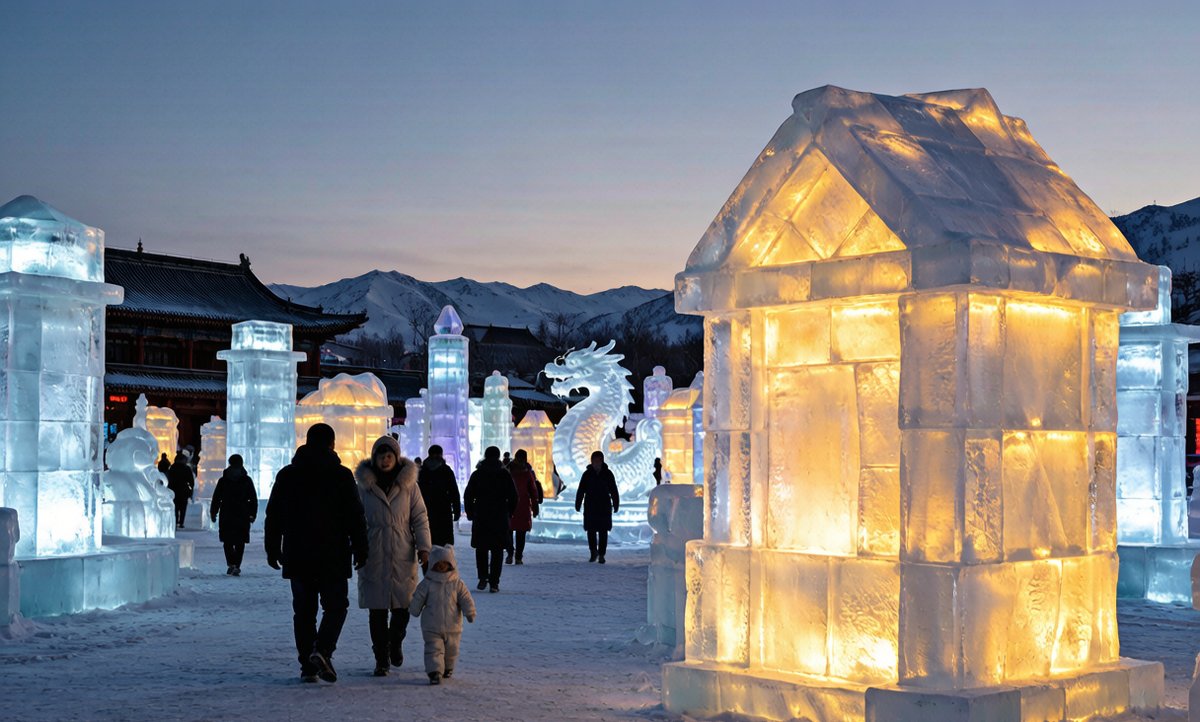
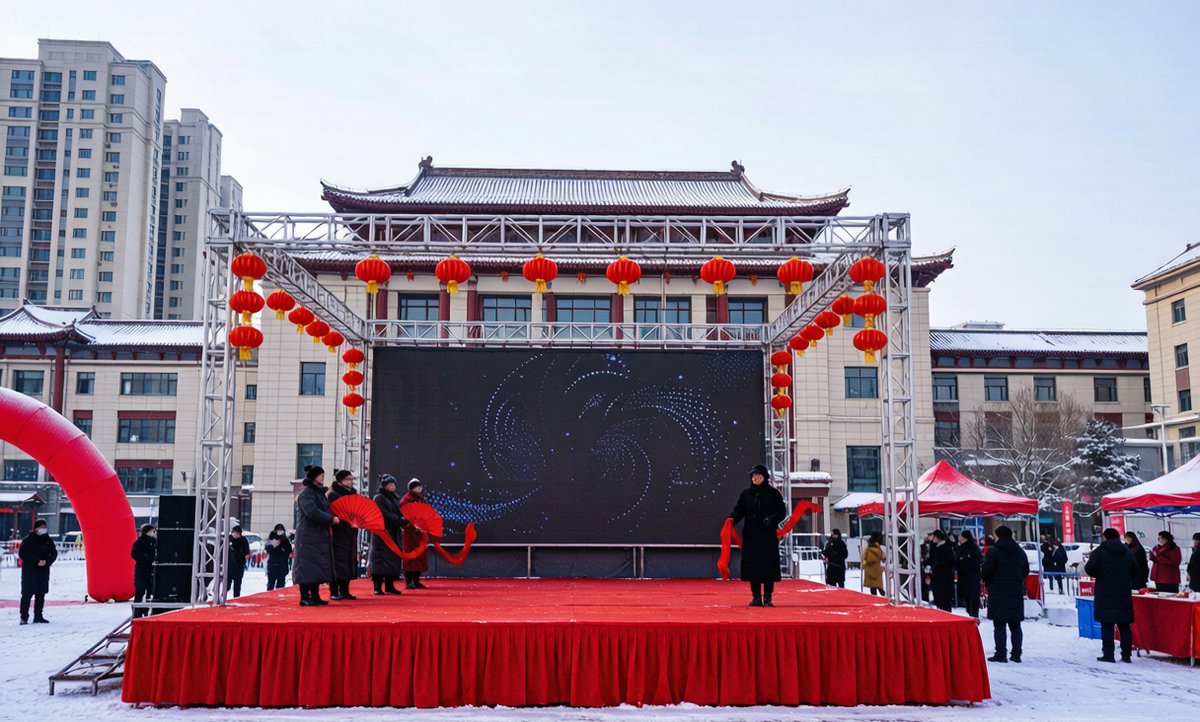
The headline events are the ice and snow festivals in the northern cities and ski towns. Expect carved ice towers lit from within, snow sculpture parks, and evening light shows that turn a freezing night into something worth leaving the hotel for. Some venues add folk performances, local food stalls, and ice sports demos.
The Xinjiang winter festival 2026 calendar concentrates in deep winter (roughly December through February), when the ice is reliable and the carving holds. Check the specific town’s dates before you travel — festival windows are short and weather can shift an opening by days.
Where the snow is best
- Altay and the northern counties: The deepest, most reliable snow and the region’s best winter scenery, plus the famous粉雪 (powder) that draws skiers.
- Urumqi and nearby resorts: Easiest access, biggest event infrastructure, and the simplest winter driving from the airport.
- Yining and the Ili fringe: Cold but calmer, with frozen lakes and quiet snowy valleys.
- Karakul and the Pamir (clear-weather days): Stark, high, and unforgettable — but only for confident winter drivers, and only when passes are open.
Hot springs: the real winter reward
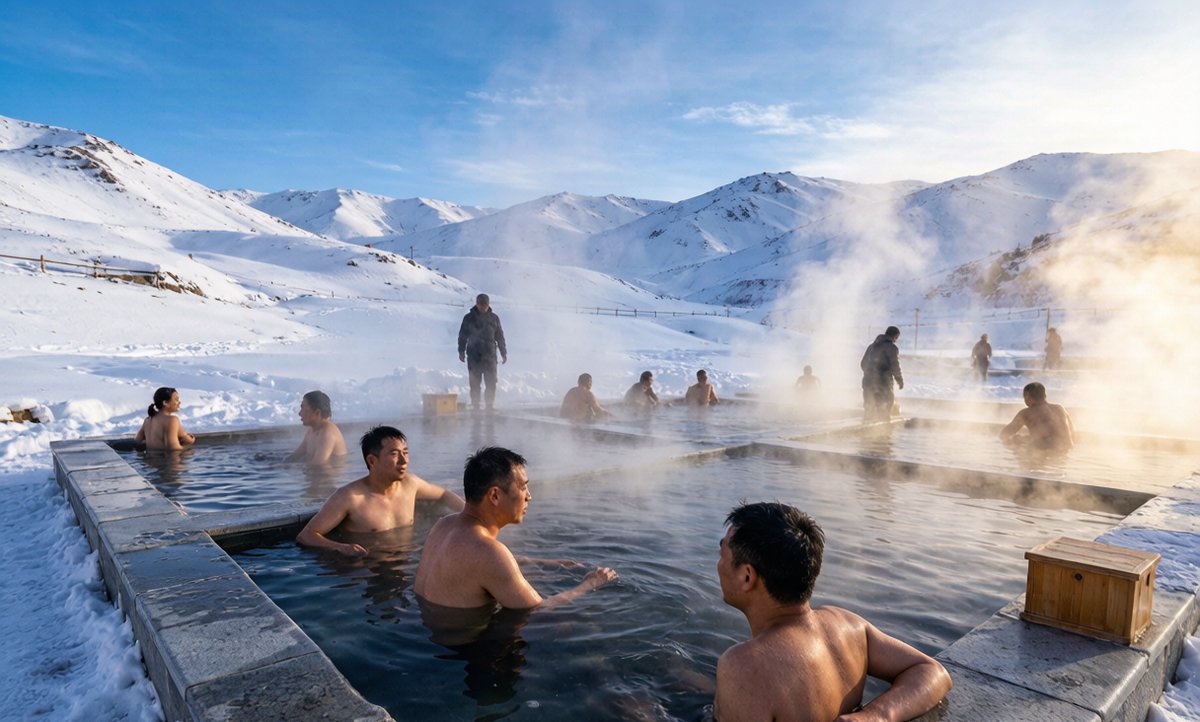
After a day of ice and wind, the snow festival Xinjiang crowds thin out and the hot springs take over. Open-air pools steaming against a snowbank are a signature Xinjiang winter experience, found around several northern and western geothermal spots. Go in the evening, alternate hot and cold, and you will sleep better than any city hotel allows.
Getting there in winter
Winter driving is the part most visitors underestimate. The Xinjiang winter road trip planning notes cover the basics, but for festival travel specifically:
- Book the car with winter tires and confirm chains are in the trunk.
- Check the winter road closures notice before any mountain leg; passes close on short notice after heavy snow.
- Start early — festivals run into the evening, but you want daylight for the drive back.
- Keep the tank up and carry a scraper, blanket, and power bank.
The full winter driving guide has the technique and the gear list if you are new to snow roads.
Tips for a good trip
- Dress in real layers. Indoor venues are warm, outdoor ones are brutal; you will move between both.
- Protect the camera. Cold drains batteries fast; keep a spare inside your coat.
- Book festival-town stays early. Rooms near the main events sell out on peak weekends.
- Eat the street food. Winter festivals are some of the best places to find hot, local snacks you will not get in summer.
- Pace the days. One big evening event plus a hot spring is plenty; stacking two festivals in one night leaves you cold and tired the next day.
Safety on winter roads
Festival travel concentrates on the easy northern routes, which are plowed and manageable, but the cold is still real. Keep the fuel above half, carry a scraper and a blanket, and never let a phone be your only map — download offline routes before you leave signal. If a pass closes after snow, turn back calmly; the event will run again, and a blocked mountain road is not worth gambling on. Tell your hotel your rough return time so someone notices if you are late.
Festival town profiles
- Urumqi and nearby resorts: The easiest winter base, with the biggest event infrastructure, reliable snow, and the simplest drive from the airport. Best for first-time winter visitors.
- Altay and the northern counties: Deeper snow, quieter, and the most dramatic powder scenery; more driving and colder, but worth it for serious winter lovers.
- Yining and the Ili fringe: Calmer, with frozen lakes and snowy valleys rather than big events — a good low-key option.
What to pack
- Thermal base layers, an insulating mid-layer, and a windproof shell
- Warm hat, gloves (liner plus insulated), and a neck gaiter
- Insulated, grippy boots for ice and snow
- Hand and toe warmers
- A power bank kept inside the coat; cold kills phone batteries
- Snow scraper and a small shovel if self-driving
- Swimwear for the hot springs (yes, really)
A sample 4-day winter itinerary
- Day 1: Arrive, pick up the winter-equipped car, settle in, scout the evening ice lantern show.
- Day 2: Snow festival day — performances, sculptures, local food; soak in a hot spring at night.
- Day 3: A daylight drive to a nearby snowscape or frozen lake, back before dark.
- Day 4: One more festival morning, then return the car and depart.
Food and drink
Winter festivals are the best place to find hot street snacks you will not see in summer: roasted nuts, grilled meats, sweet baked goods, and warming milk tea. Pair a cold evening of ice lanterns with a hot skewer and you will understand the appeal of the season. Around the hot springs, simple noodle houses and tea stalls keep you fueled between soaks. Eat standing, eat often, and you will stay warm far better than relying on the hotel breakfast alone.
Responsible festival travel
Crowds are part of winter festivals, but a few habits keep them pleasant. Use the marked parking rather than blocking a lane with snow chains half-on, bin your cups and skewers, and keep noise down late near residential streets. The events rely on local goodwill; a considerate visitor is one a town welcomes back. If a venue looks at capacity, circle back later rather than pushing in — the ice looks just as good an hour later.
FAQ
When is the best time for the 2026 winter festivals? Deep winter, roughly December through February, when ice is stable and the carving holds. Confirm each town’s exact dates close to travel.
Are the roads to festival towns safe? The main routes are plowed and manageable with winter tires. Mountain passes are the risk and can close after snow — check conditions daily.
Can I combine festivals with hot springs? Easily, and you should. Many travelers do a festival evening followed by a hot-spring soak, which is the best of the season in one day.
Do I need a border permit for Pamir winter events? Only if you go into a border management zone; the main festival towns do not require one. The Pamir in winter is for confident drivers only.
Final word
Xinjiang winter 2026 is a festival-and-hot-spring season more than a sightseeing one — plan around the events, respect the cold roads, and the quiet snow nights will be the part you remember. Pack the layers, fit the tires, and go.
Written by Karl Huang, who thinks the hot-spring-after-the-festival combo is the most underrated winter plan in Xinjiang.