

People ask me, “Is a xinjiang road trip safety concern — is it actually safe?” My honest answer: the region is one of the more heavily policed places I’ve driven, and personal safety is rarely the issue. The real risks are remote-driving discipline — breakdowns in empty country, altitude, weather, and the small mistakes that turn a long day into a bad one. This is the checklist I give every friend before they rent a car here.
Xinjiang is about 1.66 million square kilometers — bigger than many countries. Out on the Taklamakan edge or the Pamir, the next help can be 100 km away. That fact shapes every safety rule below.
 }
}
Checkpoints and documents
You will pass police checkpoints — sometimes several in a day, especially in the south and near borders. They are routine, not threatening.
- Keep passports/ID and the border pass (if any) in an easy sleeve; have them ready before you reach the window.
- Follow officer directions exactly, switch off dashcams if asked, and stay calm. Families and foreign travelers are waved through constantly.
- Don’t photograph checkpoints or military sites — that’s the one thing that escalates.
Speed limits and cameras
Chinese highways are dotted with fixed and mobile speed cameras, and fines for foreigners are real. The open desert roads tempt you to floor it, but limits drop sharply near towns, construction and the frequent village zones (often 40–60 km/h). Use a GPS app with speed alerts and treat every populated area as a trap. The car rental for Xinjiang self-drive guide covers what happens if a camera catches you in a rental.
Wildlife and livestock on the road
This surprises newcomers: sheep, cattle, camels and the occasional horse herd cross highways, especially at dawn and dusk on rural and grassland roads (Nalati, the Ili backroads, near Hotan). Hit one and you’ve got a damaged car and a distressed village. Slow down in open pasture, scan the verges, and never swerve hard — a controlled stop beats a rollover.
The half-tank rule and breakdown protocol
On remote roads, never let the tank fall below half. Stations can be 150–250 km apart on the Taklamakan and Pamir approaches, and some close early. Our fuel and gas stations guide maps the key fills.
If you break down:
- Pull fully off the road, turn on hazards, place reflective triangles behind.
- Stay with the vehicle — the desert is not a place to wander. A car is easier to find than a person.
- Call your rental’s roadside number and, if no signal, walk to the last checkpoint or wait for traffic.
- Carry water even in winter (insulated so it doesn’t freeze) — dehydration and cold both bite.
Weather and altitude
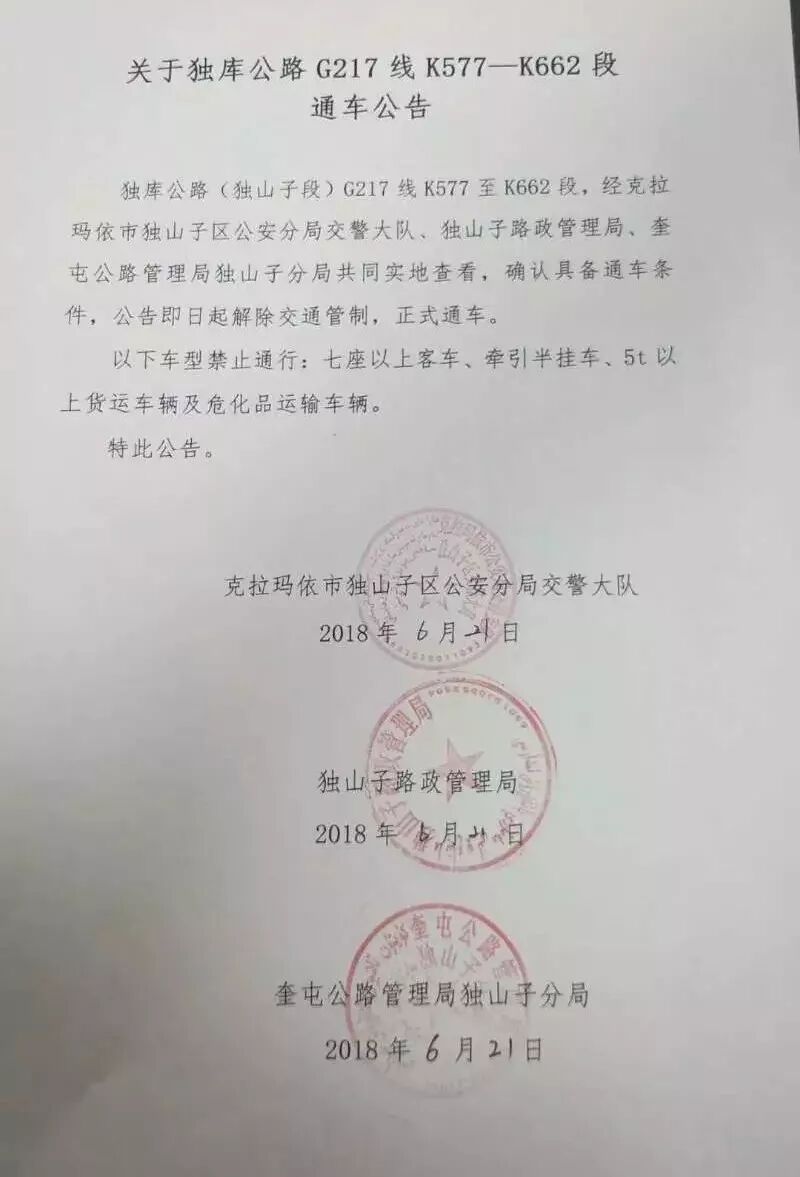
Mountain weather flips fast. A clear Duku morning can turn to sleet at the 3,400 m summit by noon. Check the Duku Highway self-drive guide for seasonal opening and the summit reality. For Pamir drives, read the altitude sickness guide — headache and nausea mean descend, not push on.
Checkpoints by region: what to expect
The checkpoint experience varies by zone, and knowing which helps you stay calm. Around Urumqi and the G30 corridor, expect one or two document scans per day, quick and friendly. In the south (Aksu–Kashgar and the Pamir road), the density rises — three to five stops, with more thorough ID and vehicle checks near the border. The Kanas/Altai approach in the north has its own border-zone checks at the geopark gate. None are hostile; all want papers in hand and patience. I keep a single glovebox sleeve with passport/ID, rental agreement, and border pass so I am never fumbling. Dashcam off if requested, and never frame a checkpoint in your photos.
Driving at night and in bad weather
I avoid night driving on empty roads. Wildlife, unlit village zones, and black ice make after-dark legs riskier, and a breakdown at 2 a.m. on the Taklamakan edge is a long wait. In snow or sandstorm, the rule is simple: stop at the last town, not on the highway. The G30 and G3012 are plowed in winter but shaded bridges ice first; if weather closes a pass, wait it out — a 24-hour delay beats a ditch. Build a buffer night into every remote plan so a closure does not cascade into a missed flight.
Vehicle checks and the right car
Most “emergencies” start as a small thing ignored at the hotel. Each morning I spend five minutes on: tire pressure (heat and gravel drop it), oil and coolant, lights, wiper fluid, and that the spare is actually there. On the Duku and Pamir, an SUV with good tires and decent clearance beats a low sedan, though paved routes are passable in a sedan. Choose the car deliberately — see best car for a Xinjiang road trip — and insist on a full-size spare and a working jack when you collect it in Urumqi or Kashgar.
The golden rule of remote driving
Tell someone your route and expected arrival, download offline maps (signal vanishes in gorges and on the plateau), and never assume the next town has fuel, food or a working ATM. I also do a five-minute vehicle check each morning: tire pressure, oil, coolant, lights, wiper fluid. Most “emergencies” start as a small thing ignored at the hotel.
Health, water and the sun at altitude
Altitude and aridity quietly dehydrate you, and a dry driver is a slow, headachy driver. I drink 3–4 L of water a day on the Pamir and Duku and keep a bottle in the seat. The plateau sun burns fast even at 10°C — SPF 50, a brimmed hat, and sunglasses are not optional. Rehydration salts help if you feel light-headed at 3,000 m+. And pace the days: a 10-hour drive straight to Tashkurgan invites altitude sickness, so I rest in Kashgar (1,300 m) the night before and ascend gradually. Headache plus nausea means descend — never push on.
Driving with kids, older travelers, or a tired partner
The empty roads tempt long, relentless legs, but judgment matters more than miles. With kids, I cap drive days at ~5 hours and build a playground or a lakeside stop so the car is not a prison. Older travelers should watch the altitude more than the distance — the Pamir at 3,100 m is fine for most but warrants a slower ascent and a rest day. If your driving partner is exhausted, swap at a town, not on the shoulder; a tired driver on a 120 km/h expressway is the most common near-miss I see. Share the wheel, share the water, and stop at the next oasis rather than pushing to the one after.
Scams, stalls and common sense
Xinjiang is low on tourist scams, but a few commonsense rules apply. Pay for fuel and tolls by the official app or card where possible, and keep small cash for the rest. If a “helpful local” offers an unsolicited tour or a shortcut around a checkpoint, politely decline — the official route is the safe one. Lock the car at every stop, even in safe towns; and never leave valuables visible on the seat. The biggest safety win is simply not rushing: a relaxed driver who left a buffer for checks and weather is, statistically, the one who gets home with stories.
Emergency numbers and apps
Before you drive, save the essentials in your phone and a paper note in the glovebox: your rental’s 24-hour roadside number, 110 (police) and 120 (ambulance) for mainland China, and the address of tonight’s hotel in Chinese characters (show it to a responder if you have no signal to explain where you are). The rental company’s app often shows your live location to their dispatch, which is the fastest way to get help on a desert leg. I also screenshot the route to each day’s destination so a dead phone still shows where I am headed. None of this replaces the half-tank rule and the “stay with the car” protocol — it just speeds the call once something has gone wrong.
FAQ
Is Xinjiang safe for foreign road-trippers? Yes — personal safety is generally good thanks to heavy policing. The main risks are remoteness, weather and altitude, not crime.
What should I do at a checkpoint? Have documents ready, follow instructions, no photos. It’s routine and quick.
How low should I let the fuel get? Never below half on remote roads; stations can be 150–250 km apart and some close early.
What if I break down in the desert? Stay with the car, use hazards and triangles, call roadside assistance, and wait. Don’t wander off.
Are speed cameras a real risk? Yes. Limits drop near towns and villages; use a speed-alert GPS and slow in populated zones.
Do I need a 4WD for safety? Not usually on paved routes, but an SUV with good tires helps on Pamir/Duku. Choose well — see best car for a Xinjiang road trip.
Final word
Xinjiang rewards careful drivers with some of the most open, beautiful roads on Earth. Respect the checkpoints, the half-tank rule and the weather, and you’ll come home with stories, not scars.
Written by Karl Huang, a Xinjiang-based travel writer. Checkpoint procedures, camera enforcement, fuel-station hours and road conditions change constantly — confirm current conditions with local authorities and your rental company before and during your trip.