

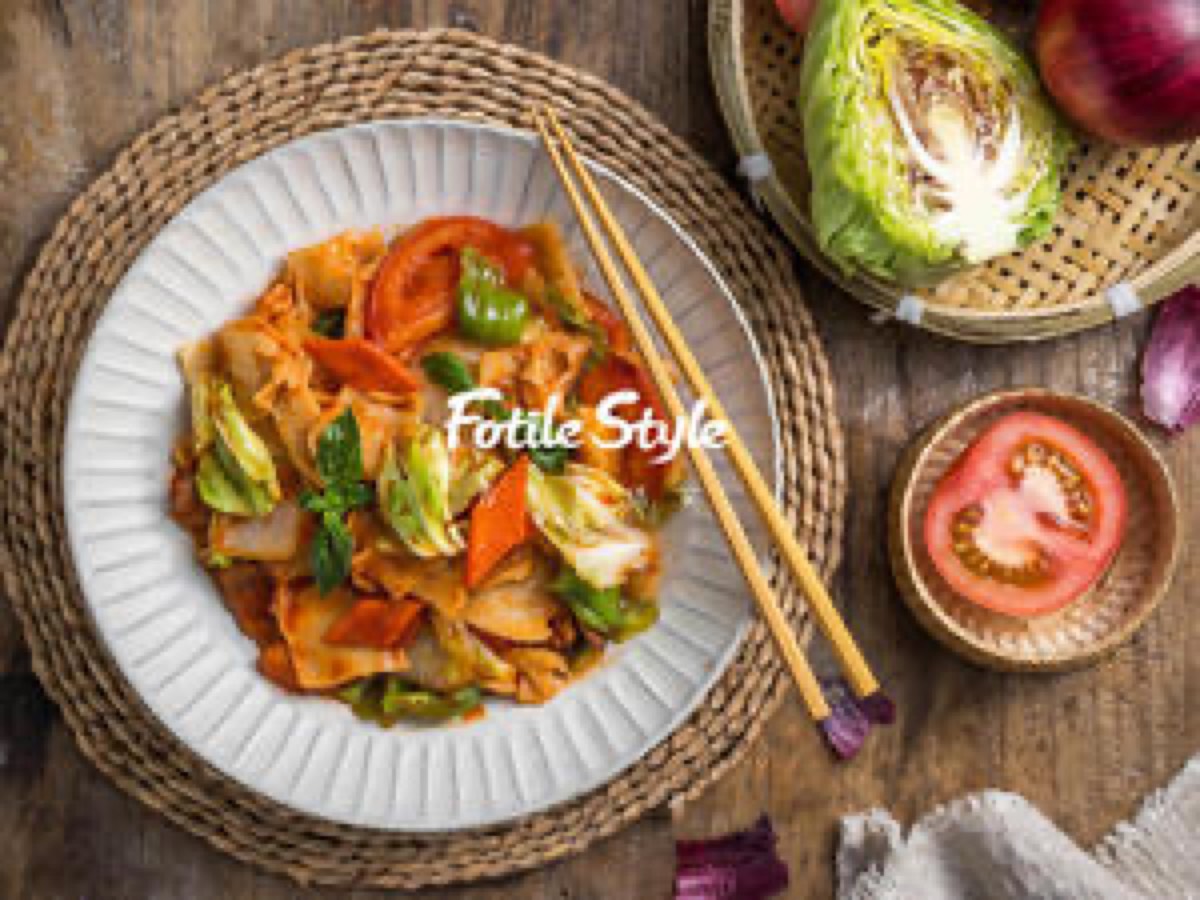
I gained four kilos in Xinjiang, and the belt-pulling culprit was a plate of belt-noodles — here’s the must-eat list so you can rotate a week without repeats.
Xinjiang food centres on lamb, wheat noodles and fruit, with halal as the baseline. Below are twenty dishes I’ve eaten across north and south, with prices and where to find them, grouped into noodles, rice, grill and sweets so you’re never lost at the menu. The through-line is Silk Road cooking — noodles from the east, polo from the west, and lamb everywhere — and the best version of almost every dish is the one a local queue tells you to eat.
The noodle trio: banfan, laghman, belt-noodles
Banfan (laghman) is 12–18 RMB a plate, and ‘add noodles’ is free — the driver’s lunch standard. Qitai you-pork laghman is the most famous, with tender meat and a fragrant sauce built from tomato, green pepper and just enough chilli oil. Belt-noodles are as wide as a belt and soak up braised sauce perfectly; pair with a red-meat braise and you understand why northern drivers live on them. Hand-pulled means a show at the counter — the cook slaps and stretches the dough into ribbons. I’ve eaten a 15-RMB banfan at a Gobi service area that was a full meal, and a 30-RMB version in Urumqi that was twice the plate. The rule: follow the longest local queue at lunch, not the brightest sign.
- Banfan (laghman): 12–18 RMB, free refill noodles
- Qitai you-pork laghman: tender, savoury
- Belt-noodles: wide, sauce-holding
The rice family: polo, fried rice noodles, hand meat
Polo (pilaf) is lamb, yellow carrot and rice, 15–25 RMB, most aromatic at the early market; Friday’s big-pot polo draws a neighbourhood queue. The yellow carrot — not the orange kind — is the soul: sweeter, mealier, and it braises into the grain. Hand-grabbed meat dipped in salt shows the meat’s true taste with onion to cut the fat. Fried rice noodles are tear-inducingly spicy — young people love them, order ‘mild’ if unsure. Big-plate chicken is a group dish of chicken, potato and belt-noodles, perfect for two; the sauce is the point, so mop it with nang. These rice dishes are the communal heart of a Uyghur table — ordered for the group, eaten from the centre. I plan one big-plate chicken night per trip as the group meal.
- Polo: lamb + yellow carrot, 15–25 RMB
- Hand meat: dip in salt, onion cuts fat
- Big-plate chicken: group dish, sauce is key
Grill and roasted
Kebab is 3–6 RMB a skewer; red-willow-branch big skewers are 15 RMB, fat-and-lean perfection from the resin of the wood. Samsa (baked bun) is 3–5 RMB, crisp shell, juicy filling, best hot from the tandoor at dawn. Tandoor meat is roasted whole, charred outside, tender inside. Night markets only liven up after 9 pm (Xinjiang’s two-hour time lag); Kashgar’s pigeon grill is a signature you won’t find up north. The grill is where regions differ: south is pigeon and lamb, north is more beef and the red-willow skewer. I judge a kebab stall by the turnover — a full grill turning every few minutes means fresh, not reheated. Ask for ‘fat and lean’ if you want the real thing.
- Kebab 3–6 RMB; red-willow skewer 15 RMB
- Samsa 3–5 RMB, best at dawn
- Pigeon grill: Kashgar signature
Sweets and dairy
Yogurt with sugar, clotted cream, Hami melon (July–Sept), grapes (Turpan, Aug–Sept) and figs (Artush). The sweetness comes from sunlight — buy at the bazaar, not the scenic area. I ate just-picked seedless white grapes under a Turpan trellis, sticky-sweet to the fingers. The dairy is the sleeper hit: thick yogurt eaten with a spoon of sugar, or clotted cream (kaymak) spread on nang. Dried fruit — raisins, red dates, walnuts — is the travel snack that survives the boot. A fruit plate after a lamb-heavy meal is how locals close it; the sugar resets the palate. The Kashgar Sunday Bazaar is the cheapest, best fruit market in the south — go there, not the hotel shop.
- Yogurt + sugar, clotted cream
- Hami melon Jul–Sep; Turpan grapes Aug–Sep
- Figs (Artush) and dried fruit for the road
Ordering and traps
Halal restaurants serve no alcohol and no pork — keep it out of the car too. Say ‘mild’ if you don’t do spice. Scenic-area restaurants are toned-down and pricey for tourists; step into the lanes. A satisfying meal runs 40–70 RMB per person. The trap is the ‘song-and-dance banquet’ at scenic gates — a fixed price, weak food, and a show you didn’t ask for. Walk past it into the old town where a crowded local spot feeds you better for half. Another trap: ‘per jin’ vs ‘per kg’ at fruit stalls — confirm the unit before weighing. I keep a translation card that just says ‘no pork, mild spice’ so ordering is never a guessing game.
- Halal = no pork, no alcohol, even in the car
- Say ‘mild’ for less spice
- Avoid scenic ‘banquet’ shows; eat in the lanes
A one-week rotation that never repeats
Here’s how I spread twenty dishes across a week without boredom: Day 1 banfan + kebab, Day 2 polo + samsa, Day 3 big-plate chicken + nang, Day 4 belt-noodles + yogurt, Day 5 pigeon grill (Kashgar) + melon, Day 6 veg banfan + cold noodles, Day 7 hand meat + fruit plate. Each region leans different — Turpan for grapes and cool noodles, Kashgar for pigeon and the bazaar, the north for belt-noodles and polo. The point is to let place dictate the plate: eat the lamb dish where the sheep graze, the grape where it’s picked. I’ve never hit repeat boredom doing it this way, and the belt has the evidence. Match dish to town and the whole trip tastes like the map.
- North: belt-noodles + polo
- South: pigeon grill + bazaar fruit
- Match the dish to the town you’re in
| Group | Dish | Price |
|---|---|---|
| Noodles | Banfan / belt-noodles | 12–18 RMB |
| Rice | Polo | 15–25 RMB |
| Grill | Kebab / red-willow skewer | 3–15 RMB |
| Grill | Samsa | 3–5 RMB |
| Sweet | Hami melon (season) | By kg |
Practical takeaways
- ‘Add noodles’ is free at banfan spots — don’t be shy.
- Buy fruit at the bazaar, not the scenic area.
- Night markets liven up after 9 pm.
- Keep a ‘no pork, mild’ translation card.
Frequently Asked Questions
- Is Xinjiang food spicy?
- Mostly not; fried rice noodles and pepper-chicken are the exceptions — say ‘mild’.
- What’s a meal per person?
- Roadside banfan 15 RMB; a proper restaurant 40–70 RMB; night market casual.
- Can I bring pork?
- No — halal restaurants and your car should avoid pork out of respect.
- How do I avoid tourist-trap meals?
- Step into the lanes away from scenic gates; follow the local queue, not the bright sign.