
I expected to starve on a lamb-and-noodle plateau, then spent a week eating better meat-free food than I do at home, once I learned the words and the windows.
Xinjiang is famous for meat, but a vegetarian or plant-leaning driver is far from stranded. The region produce, the melons, tomatoes, peppers, greens, and the Central Asian legacy of breads, legumes, and dairy, supports satisfying meat-free meals if you know what to ask for and where to look. This guide helps self-drive travellers eat well without meat, covering reliable vegetarian dishes, how to communicate the request, and the traps that hide broth or fat in apparently meat-free plates.
The vegetarian surprise
The assumption that Xinjiang means meat every meal is wrong once you look past the kebab stands. The agricultural basins grow extraordinary vegetables and fruit, the bazaars sell fresh produce by the season, and the noodle and bread culture is fundamentally wheat-based, not meat-based. I met vegetarians who thrived by focusing on the staples, the laghman without meat, the mantu steamed buns, the endless breads, and the fresh salads of tomato and cucumber. The landscape feeds you if you read it right, and the plant-based traveller often eats more locally than the carnivore.
- Wheat and produce, not just meat
- Seasonal bazaar vegetables
- Breads and legumes carry the diet
Reliable meat-free dishes
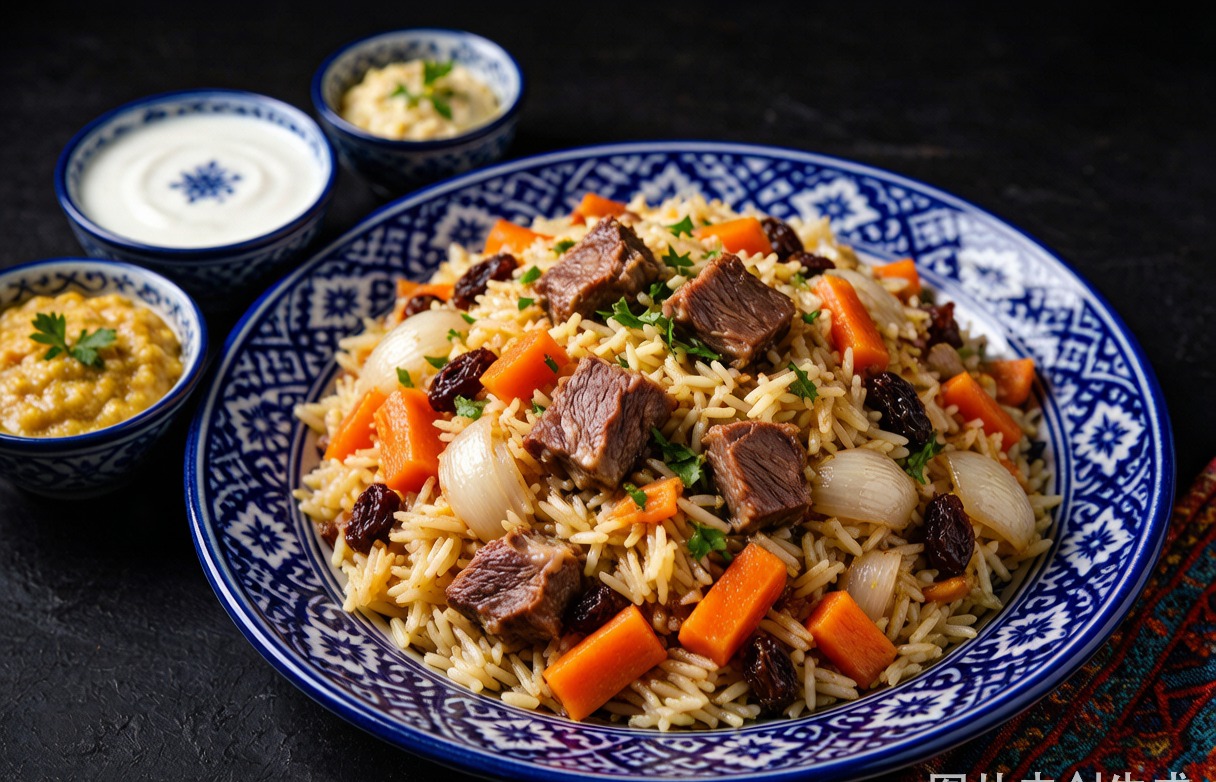
The safest bets are the obvious ones: plain laghman or fried noodles with vegetables, the steamed mantu buns, the roasted or stuffed breads, and rice with raisins and carrot, asking for no meat mixed in. Fresh salads of tomato, cucumber, and onion are common and refreshing. I also lean on the dairy, yogurt, and the lentil or chickpea dishes in the western towns. The trick is to specify clearly and watch the wok, because a vegetable noodle is often finished with a meat sauce unless you say otherwise.
- Veg laghman or fried noodles
- Mantu buns, roasted breads
- Tomato-cucumber salad, dairy
How to say no meat
I learn the short phrase for no meat and pair it with a hand gesture and a smile, and I show the word on my phone to avoid dialect confusion. At smaller spots I point at the vegetables I want and mime only these. I also confirm that the noodle sauce is separate, since many kitchens pre-mix a meat gravy. Patience helps, because the concept is unusual in some rural kitchens, and a friendly repeat of the request lands better than a frustrated one. Most cooks want to feed you well; they just need the instruction clearly.
- Short no-meat phrase plus phone
- Point at the vegetables
- Confirm sauce is separate
Hidden meat traps
The classic trap is broth: a vegetable soup may be meat stock, and a noodle gravy may carry lamb. I ask specifically about stock and sauce, and if unsure I stick to dry preparations, breads, buns, and salads, which are safer. Another trap is the shared wok, where traces of meat linger; at strict-vegetarian level I accept that rural kitchens are not segregated and choose plainer dishes. I treat the occasional slip as inevitable off the tourist trail and focus on the many genuinely clean options rather than the rare mistake.
- Broth and gravy often meat
- Prefer dry, plain dishes
- Shared wok not segregated
Markets and self-catering
The bazaars are a vegetarian asset: fresh fruit, nuts, bread, and vegetables for the road, plus the dried fruit that keeps in the car for days. I stock up at a market, keep a knife and a container, and build picnics at viewpoints, which sidesteps the meat-kitchen question entirely. A hotel with a kettle lets me cook simple noodles or tea. The self-drive format is a quiet advantage here, because the car is a pantry, and the bazaar is the supply line for a meat-free week.
- Bazaars stock the road
- Dried fruit keeps for days
- Car is a pantry, kettle a kitchen
A plant-based day on the road
My vegetarian driving day runs on bread, tomatoes, yogurt, and a vegetable noodle at lunch, with a market top-up whenever I pass a town. I start with a bakery, eat salad and mantu midday, and finish with fruit and tea. It is lighter than the meat feasts, which suits long sits in the car, and it keeps me alert. The surprise is how little I miss the lamb, because the produce and bread are that good, and the windows into local life, the market, the bakery, the picnic viewpoint, are the real meal.
- Bread, tomatoes, yogurt
- Veg noodle at lunch
- Market top-up on route
| Dish | Safe? | Note |
|---|---|---|
| Veg laghman | Usually | Confirm no meat sauce |
| Mantu buns | Yes | Plain steamed |
| Tomato salad | Yes | Fresh, safe |
| Noodle soup | Check | Often meat stock |
Practical takeaways
- Learn the no-meat phrase.
- Prefer dry dishes when unsure.
- Shop bazaars for the road.
- Keep a kettle for simple meals.
Frequently Asked Questions
- Is vegetarian food easy in Xinjiang?
- Yes with the right dishes; breads, buns, vegetables, and dairy carry you.
- How do I avoid hidden meat broth?
- Ask specifically about stock and sauce; prefer dry, plain dishes when unsure.
- Can I self-cater?
- The bazaars make it easy; stock bread, fruit, nuts, and dried fruit for the car.
- Is the food spicy?
- Usually mild; flavour comes from onion, tomato, and pepper, not heat.