

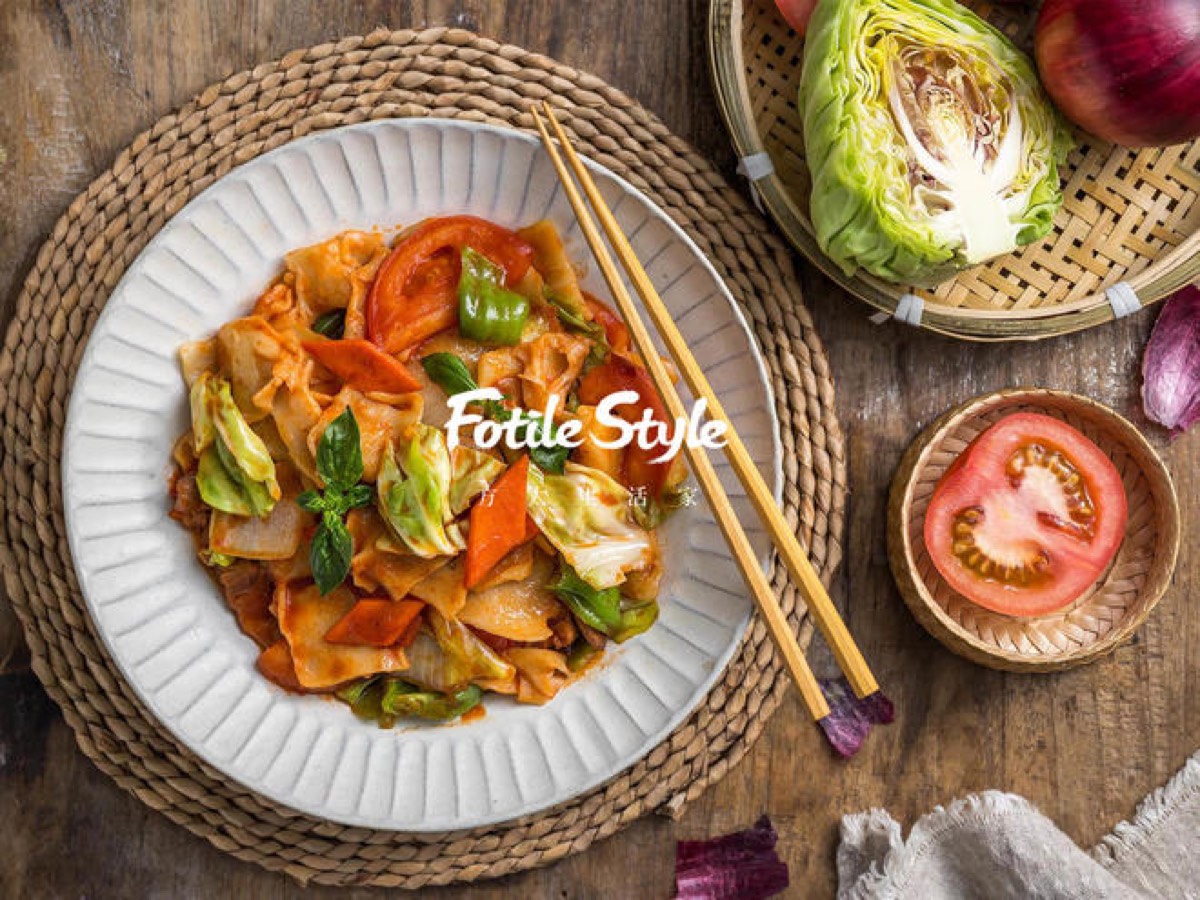
On a self-drive the two worries are the car and the food. The food worry in Xinjiang is solved by one word — halal — and the rest is pace.
Most Xinjiang eateries are halal, serving no pork and no alcohol. Roadside meals are easy, but a few iron rules keep the trip smooth. Here’s how to eat well all the way — from the G30 to the Taklamakan — without a bad stomach or a wasted stop.
What halal means
Halal restaurants serve no pork, no alcohol, slaughtered by Islamic rite. Don’t bring pork products in, and keep none in the car — respect it. This matters more in grassland yurts and border towns; not every place states it but all observe it. The practical upshot for a driver: every county town has a halal option, so you’re never stuck. The respect part is real — a cooler with pork next to a yurt host’s food is a genuine offence, so I keep a separate bag and never mix. Most drivers learn this in day one and it becomes habit. Halal also means no alcohol with meals, which is fine when you’re driving. The upside: the meat is consistently lamb and beef, clean and well-cooked. Road safety starts with what you eat — a settled stomach is a alert driver.
- No pork, no alcohol, ever
- Keep a separate bag in the car
- Consistently clean lamb/beef
Resupply pace on the road
Along the G30, Duku and G7, service areas and county towns have dense eateries; a stir-fry by the fuel station fills you for 30 RMB. The desert highway has sparse service areas — bring dry rations and water. At the Taklimakan midway service area I once ate instant noodles because the next stop was 200 km away. The rhythm is: fuel up, eat up, stock up, at every county. The G30 is easy — a town every 40–60 km with a halal stall. The Duku corridor is thin but has waystations. The desert highway (Luntai–Minfeng) is the hard one: long gaps, so the nang-and-water box is the rule. I time meals to fuel stops so I’m never choosing between ‘eat now’ and ‘drive hungry’. Driving safety is partly a feeding schedule.
- G30/G7: dense eateries, ~30 RMB meal
- Duku: waystations, thin but present
- Desert highway: self-supply, 200 km gaps
Ordering and restrictions
No spice? Say ‘mild’ or ‘no spice’; for plain say ‘less oil’. Big-plate chicken is spicy by default; kids get ‘belt-noodles, no spice’. Xinjiang oil is generous; the weak-stomached should order a veg stir-fry to balance. The default spice is cumin and a little chilli, not Sichuan heat — most can handle it, but ‘mild’ works. ‘Less oil’ is the phrase for the grease-averse; Xinjiang cooking is unapologetically fatty, which is why it fuels long drives. For kids, the belt-noodles without spice and a plain polo are safe. I order one veg dish per meal to cut the richness. The weak stomach also benefits from warm water over cold drinks the first two days — a small change that prevents cramps.
- ‘Mild’ / ‘no spice’ for heat
- ‘Less oil’ for grease-averse
- One veg dish per meal to balance
Water and stomach
Xinjiang water is hard; newcomers get stomach upset — bottled is safer. Wash fruit before eating; ease off cold drinks. My first week of cold drinks brought cramps; warm water fixed it. The hard water (high mineral) is the usual culprit, not germs — so bottled water is the easy fix, not a fear of the tap. Wash all roadside fruit; the dust is real. I carry a thermos of bought hot water and sip it instead of cold soda for the first days. The cramps pass as you adapt; most visitors are fine by day three. Probiotic yogurt (the plain kind) actually helps settle things — eat it daily. Stomach issues are the top driver complaint, and they’re 90% preventable with water discipline.
- Bottled water over tap
- Wash fruit; ease cold drinks first 2 days
- Plain yogurt settles the stomach
Parking and dining
County eateries often have yards for an SUV; scenic restaurants are tight — go early. Don’t leave valuables visible in the car; lock up. The county-town yard restaurants are built for trucks, so your SUV fits and you can watch it from the window. Scenic-area lots are tight and far; eat before you sightsee. I never leave the phone or camera on the seat — lock the glovebox. At a waystation, park in sight of the canteen so you’re not walking back to a lonely car. The simple rule: eat where you can park and watch the car. A full belly and a safe car beat a famous view with a stolen bag.
- County yards fit SUVs, in sight
- Scenic lots tight — eat first
- Lock valuables; never leave on seat
A driver’s daily food rule
My rule for a long driving day: a real breakfast (tea + nang), a hot lunch by a fuel stop, a light dinner, and a nang-and-water box ‘just in case’. Never start a remote leg on an empty tank or an empty stomach. The box lives in the boot always — nang, a few apples, a couple of water litres, maybe a snickers equivalent. When the Duku closes for weather or the desert stretches, that box is lunch. I also keep a separate ‘halal-only’ cooler so I’m never tempted to mix. Eating on a self-drive is logistics, not indulgence: fuel the car, feed the driver, every stop. Do that and road safety takes care of itself. The trip fails on empty stomachs, not empty tanks.
- Real breakfast, hot lunch, light dinner
- Boot box: nang + apple + water, always
- Fuel car and feed driver every stop
| Road | Meal | Tip |
|---|---|---|
| G30 / county | Stir-fry | 30 RMB fills |
| Duku corridor | Waystation / town | Pricey, average |
| Desert highway | Self-supplied | Sparse stops |
| Scenic area | Tourist-softened | Pricey, bland |
Practical takeaways
- Keep no pork in the car.
- Self-supply water and rations for the desert highway.
- Weak stomach? Switch to warm water.
- Park where you can watch the car.
Frequently Asked Questions
- Easy to find food driving?
- Dense on expressways and in counties; sparse on the desert highway — self-supply.
- Can I bring pork?
- No — keep it out of car and restaurants, respect halal.
- Stomach upset fix?
- Bottled water, wash fruit, ease spice the first two days.
- What’s a driver’s food rule?
- Real breakfast, hot lunch by fuel, boot box always, never start remote on empty.