

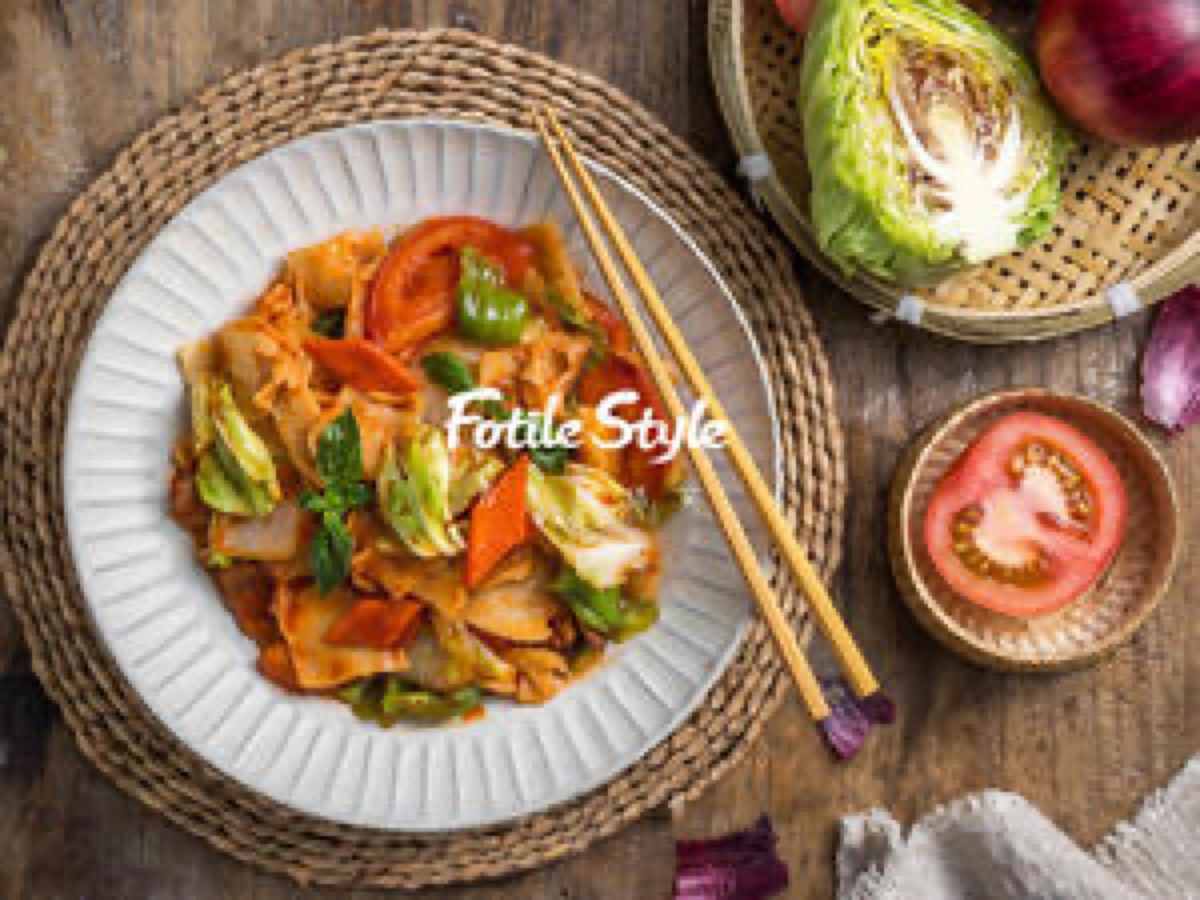
Dapanji – the ‘big plate chicken’ – is the dish that turns a fuel stop into a meal worth the detour.
Dapanji, or ‘big plate chicken’, is a Xinjiang staple: chicken, potatoes, and bell peppers braised in a chili-and-cumin sauce, finished with wide belt noodles. Born in Shawan, it is now on every roadhouse menu between Urumqi and Kashgar. This guide explains what makes it special, how it is served, and how to order the right size for your crew.
The story of the big plate
Dapanji originated in the 1980s in Shawan, a town on the road north of Urumqi, where a cook combined Sichuan-style chili with Xinjiang’s cumin and local chicken to feed truck drivers a hearty one-dish meal. The name simply means ‘big plate’ – it arrives, true to form, on a platter meant for sharing. From Shawan it spread along every highway, and today no roadhouse is complete without it. The genius is the belt noodles added at the end, which soak up the sauce and turn a stew into a full carb-loaded feast. It is the most communal dish in a region that eats communally.
- Originated in Shawan in the 1980s
- Chili + cumin + local chicken
- Served on a sharing platter
- Belt noodles make it a feast
What is in the plate
The base is chicken on the bone, potato chunks, and green and red bell peppers, braised in oil, chili, cumin, star anise, and ginger until the potatoes collapse into the sauce. The heat is moderate – more aromatic than fiery – but you can ask for extra chili. The belt noodles are boiled separately and laid on top to absorb the gravy; slurping them is half the fun. Some versions add onion or tomato. It is halal, made with chicken not pork, fitting the local culture. A good dapanji balances tender chicken, melted potato, and saucy noodles.
- Chicken on the bone, potato, peppers
- Chili, cumin, star anise, ginger
- Moderate, aromatic heat
- Belt noodles soak the sauce
How to order it
Dapanji is sold by size: small (usually two people), medium (three to four), large (a table). Point at the plate size or say ‘xiao’ (small), ‘zhong’ (medium), ‘da’ (large). Always order the noodles (‘mian’ or ‘kudaimian’) – some places charge extra, some include them. It comes to the table bubbling; let it sit a minute, then mix the noodles through. Portions are generous, so a medium often feeds three hungry drivers. Pair it with nang bread to mop the sauce and a cold drink. Most roadhouses have it fast, which suits a tight driving schedule.
- Small / medium / large by table size
- Always add the belt noodles
- Let it rest, then mix noodles
- Nang mops the sauce
Where to eat the best
Shawan still claims the original and is worth a deliberate stop if you are on the northern route. Urumqi and Kashgar roadhouses are reliable, and almost any busy highway town will have a decent version – look for a full car park of local plates, which is the real quality signal. Avoid places that pre-make huge vats and reheat; the best dapanji is cooked to order and arrives sizzling. Asking a petrol-station attendant ‘nar chi dapanji?’ (where is the dapanji?) usually gets you to the locals’ choice.
- Shawan claims the original
- Busy highway towns are reliable
- Full car park of locals = quality
- Cooked to order, not reheated
On a self-drive day
Dapanji is the ideal lunch on a long drive: one shared plate, no fuss, and enough energy to keep going. Because it is saucy and hot, it is best eaten at the restaurant rather than taken away, but leftovers travel if you must. It is halal and meat-based, so vegetarians should look elsewhere on the menu. Budget-wise it is good value – a medium feeds three for roughly the price of three individual meals. A dapanji stop splits a driving day into a proper meal and a real break, which is exactly what a road trip needs.
- Ideal shared lunch on a long drive
- Eat in; leftovers travel if needed
- Halal, not for vegetarians
- Good value for a group
How locals actually eat da pan ji
Da pan ji is rarely a solo plate; it is a communal event built around the wide flat dish it is named for. The chicken, potatoes, and peppers come swimming in sauce, and the standard move is to order hand-pulled belt noodles (kuai mian) or wide noodles to add into the leftover sauce at the end – the starchy noodles soak up the gravy and become the best part of the meal. In a group, one big plate feeds three or four with noodles and a few side dishes of cold vegetables. For a self-driver eating alone, ask for a smaller portion or a half plate where offered, and skip the beer most locals pair with it if you are driving. The dish is filling and salty, so order a pot of plain tea or a cold soft drink alongside to balance it.
- Add belt noodles to the leftover sauce
- One plate feeds three or four with sides
- Order a half portion if travelling solo
- Skip the beer if you are the driver
| Size | Serves | Noodles |
|---|---|---|
| Small | 1-2 | Often extra |
| Medium | 3-4 | Usually included |
| Large | 5+ | Included |
Practical takeaways
- Order by size and always add the belt noodles.
- Look for a full car park of local plates.
- Let it rest a minute, then mix the noodles through.
- A medium usually feeds three drivers cheaply.
Frequently Asked Questions
- Is dapanji spicy?
- Aromatic more than fiery, but you can ask for extra chili. The cumin and chili give fragrance rather than intense heat.
- Is it halal?
- Yes, it is halal chicken, fitting the local Muslim culture; no pork is used.
- What are the belt noodles?
- Wide hand-pulled noodles added on top that soak up the sauce – order them with the plate.
- Where did it come from?
- Shawan, a town north of Urumqi, in the 1980s; it then spread along the highways.