

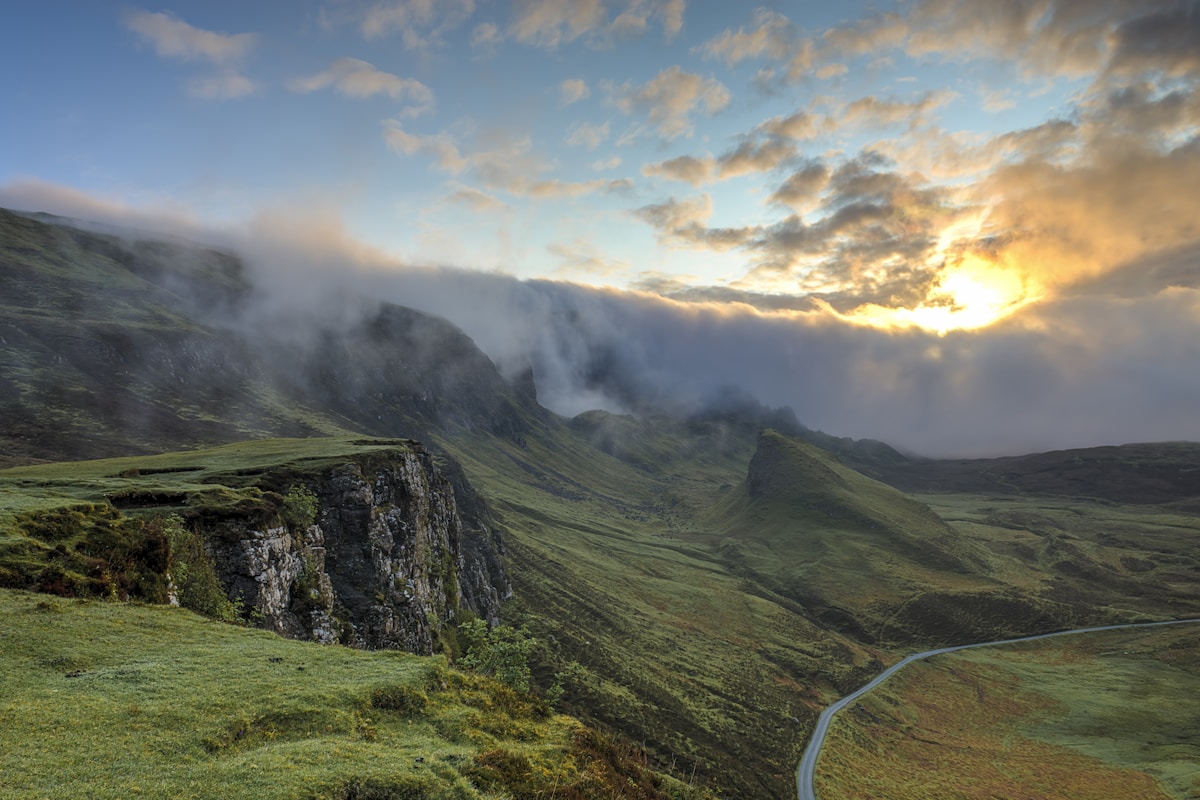
Sometimes the smartest ‘self-drive’ is to let someone else drive – and keep your eyes on the scenery.
Hiring a car with a driver (a charter, or ‘baoche’) is a popular Xinjiang option: you get a vehicle and a local behind the wheel, while still setting the route. It suits groups, non-drivers, and anyone who would rather not tackle long desert stretches tired. This guide covers when to charter, what it costs, and how to arrange it without getting burned.
Charter vs self-drive
A charter gives you a private vehicle and driver for a day, a loop, or a whole trip, with you choosing where to stop. The upside is no navigation stress, a local who knows road conditions and good lunch stops, and the freedom to nap on long hauls. The downside is less spontaneity and higher cost than a solo rental. It is ideal for families, older travellers, and photographers who want to shoot from the window. Many visitors mix modes: self-drive the famous paved loops, charter for the Pamir or a complex multi-day route. The two are not either-or.
- Private vehicle + driver, you set the route
- No navigation stress, local knowledge
- Costs more than solo rental
- Mix with self-drive as needed
What it costs
Charter pricing is usually per day and includes the driver, fuel, and often the car, but not your entry tickets, meals, or accommodation for the driver (budget a modest per-diem for his food and room, or agree it is covered). Rates run roughly YEN 600-1,200 a day for a standard car, more for a 4WD or a long remote loop. Multi-day trips are cheaper per day than one-day runs. Agree the total kilometres and days up front, and confirm whether waiting time and parking are included. A written agreement prevents the classic ‘extra fees’ argument at the end.
- ~YEN 600-1,200/day standard
- 4WD or remote loop costs more
- Multi-day is cheaper per day
- Agree km, days, waiting time in writing
Finding a good driver
The best drivers come by recommendation: from your hotel, a tour agent you trust, or a travel forum with recent reviews. A good charter driver speaks some English or uses a translation app, knows the scenic areas, and does not push commission shops. Avoid drivers who insist on a fixed shopping list – that is a markup scheme. Meet the driver and see the car before committing; a clean, recent vehicle and a calm manner are good signs. For the Pamir and border areas, confirm the driver can handle the permit process with you.
- Recommendations beat random listings
- Some English or translation app
- No forced shopping stops
- See the car and driver first
The permit and border angle
For routes into the Pamir or near restricted zones, a charter driver who knows the border-permit office in Kashgar is a real asset – they can guide the paperwork while you gather documents. The driver also handles the checkpoints smoothly, which eases a stressful part of the trip. Confirm the driver carries the right documents and that the car is cleared for the zone. A charter turns the permit run from a chore into a formality. This is where a local driver earns the fee many times over.
- Driver aids the Kashgar permit run
- Handles checkpoints smoothly
- Confirm car clearance for the zone
- Turns permit stress into a formality
Making the most of it
Brief your driver on must-see stops and your pace before you set off, and agree a rough daily plan so neither side is surprised. Build in photo stops – a good driver knows the safe pull-offs. Pay in stages if it is a multi-day trip, with a balance at the end, so both sides stay motivated. Tip at the end for good service; it is expected and appreciated. A great charter driver becomes a travelling companion who opens the region in a way a map cannot.
- Agree stops and pace up front
- Build in photo pull-offs
- Pay in stages for multi-day
- Tip for good service
What the charter fee usually includes
Charter pricing in Xinjiang is normally quoted per day and covers the driver, the vehicle, fuel, and the driver’s basic meals and accommodation – but confirm each of those points, because assumptions cause arguments at the end of a trip. Tolls, parking, and entrance fees to scenic areas are almost always extra and paid by you. A typical rate for a comfortable SUV with a driver runs from roughly YEN 800 to 1,500 a day depending on season and distance, with multi-day loops sometimes negotiated down. Agree in writing whether the driver’s hotel on remote nights is your cost or theirs. For a Pamir or southern loop, make sure the driver holds the permits needed for restricted zones, since a driver without them cannot take you across the checks.
- Daily rate covers car, fuel, driver
- Tolls, parking, and entries are extra
- Roughly YEN 800-1,500 per day
- Confirm the driver holds border permits
| Factor | Charter | Self-drive rental |
|---|---|---|
| You drive? | No | Yes |
| Local knowledge | Included | Yours |
| Cost | Higher/day | Lower |
| Best for | Groups, non-drivers | Independent travellers |
Practical takeaways
- Get the driver by recommendation, not a random listing.
- Agree km, days, and waiting time in writing.
- Use the driver for the Pamir permit run.
- Pay in stages and tip for good service.
Frequently Asked Questions
- Is a charter more expensive than renting?
- Per day, yes, because you pay for the driver; but it saves stress and suits groups and non-drivers.
- Does the price include fuel and tickets?
- Usually fuel and the car; entry tickets and your meals are separate – confirm the split.
- Can a charter handle the Pamir permit?
- A good Kashgar driver can guide the border-permit paperwork with you – a real advantage.
- How do I avoid scams?
- Use recommendations, see the car first, agree terms in writing, and avoid forced shopping stops.