

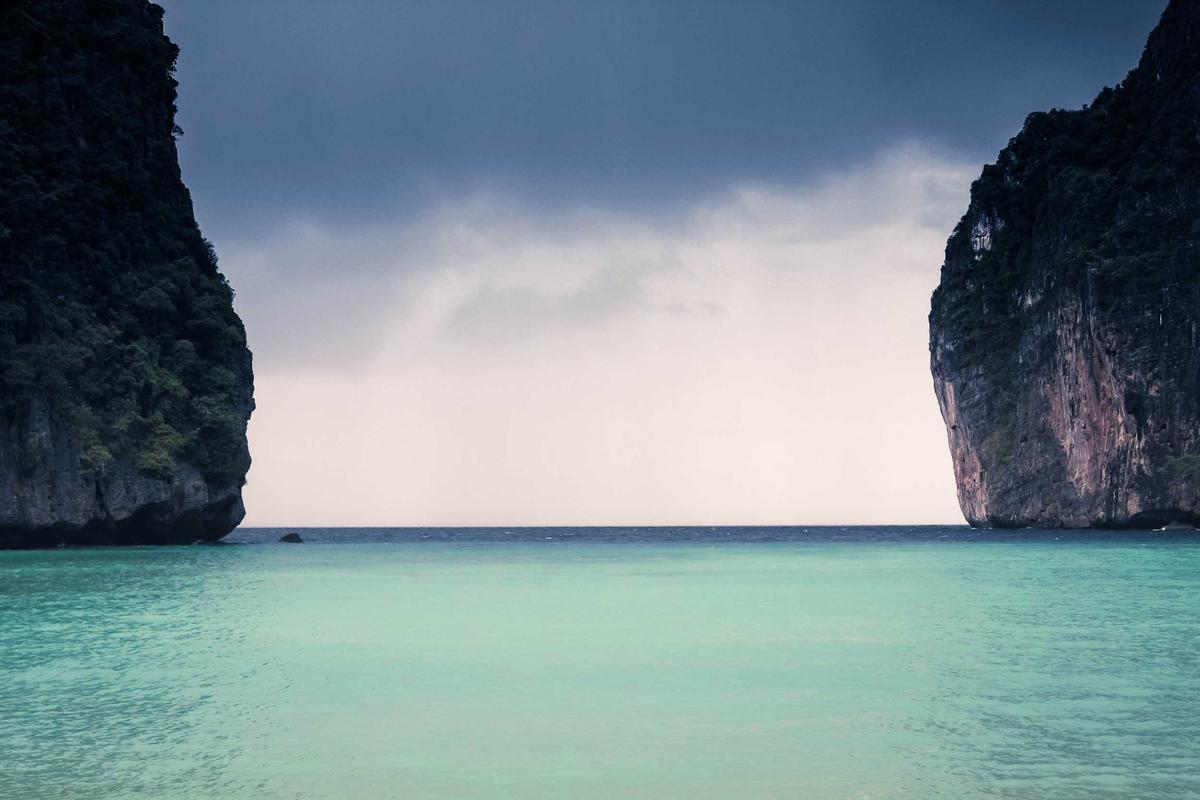
I once woke in a timber eco-lodge above Sayram Lake to frost on the window and a lake so still it mirrored the snow peaks. No reception, no lobby music, just a wood stove and the sound of wind in the pines. It reset me faster than a hotel ever could.
An eco lodge in Xinjiang is a low-impact stay built into the landscape, timber and stone, often powered partly by sun, sited for the view rather than the highway. They cluster at the places worth protecting: alpine lakes, grassland margins, and desert edges. For self-drivers they are the premium alternative to a basic county hotel when you want one night of real stillness. Here is where they exist, what they cost, and how to book one without surprises.
What counts as an eco lodge here
The label is loose, so judge by what you see. A genuine eco lodge uses local stone and timber, keeps the footprint small, treats or hauls its waste, and sits lightly on the land, often with a wood stove and solar hot water rather than blasting air conditioning. Around Sayram and Kanas the best are built on the hill above the water so you never see another roof. In the desert edge near the Taklamakan a desert hotel in this style uses thick mud walls to stay cool without power. The point is the setting and the quiet, not amenities, so pack your expectations accordingly and you will love it.
- Local stone and timber, small footprint
- Solar hot water, wood stoves, minimal AC
- Sited for the view, often above a lake or on the dunes
Where the good ones are
The alpine lake belt is the heart of it: Sayram Lake on the Ili border, Kanas and Hemu in the far north, and the Tianchi area above Urumqi. Grassland margins near Nalati and Bayinbuluk have a few low cabins. The desert style appears at the edge of the Taklamakan, where a dune lodge lets you watch the sand shift colour at dusk. A lakeside cabin at any of these is booked months ahead in July and August, so the eco lodge is a plan-ahead reward, not a drive-up option. They are deliberately few, which is the whole idea.
- Alpine lakes: Sayram, Kanas, Hemu, Tianchi
- Grassland margins: Nalati, Bayinbuluk cabins
- Desert edge: Taklamakan dune lodges
Comfort, cost and the cold
Expect 400 to 1,200 RMB a night depending on remoteness and season, with the famous lake lodges at the top. Comfort is good but seasonal: summer is mild by the water, but nights drop near freezing even in July at altitude, and winter many close entirely. Heating is usually a stove you feed yourself, which some love and some find awkward. A luxury tent camp in the same landscapes offers similar stillness with canvas walls and a lit path to the toilets. Either way, bring a warm layer regardless of the month, the altitude fools everyone.
- 400-1,200 RMB; lake lodges at the top
- Near-freezing nights even in July at altitude
- Many close in winter; feed your own stove
Booking and getting there
The best eco lodges sell through their own WeChat account or a small booking platform, rarely on the big international sites, so ask your car rental desk or a Chinese-speaking contact. Roads to them are paved but winding, and the final kilometre may be a private track, so arrive in daylight and with a full tank. Pair the stay with a hot springs visit if one is nearby, several eco lodges sit above mineral pools, which is the perfect reward after a cold pass. Confirm check-in time, some remote lodges have no staff after dark.
- Book via WeChat or a local contact, not big sites
- Arrive in daylight with a full tank
- Pair with nearby hot springs after a cold pass
Driving in and the buffer rule
Treat the eco lodge as the destination, not a waypoint you rush. Plan to arrive by mid-afternoon, settle, and drive out the next morning, which keeps you off the mountain roads after dark. Keep a day’s water and a real packing list in the car in case the lane is washed out or the stove runs cold, and tell someone your plan. The remoteness that makes the place special is the same remoteness that makes a breakdown annoying, so a charged phone and offline maps are non-negotiable. Slow down and let the place do its work.
- Arrive by mid-afternoon, leave next morning
- Carry water and a packing list for the lane
- Offline maps and a charged phone are essential
Who should skip it
If you need a gym, room service, and reliable Wi-Fi for a call, an eco lodge will frustrate you, a city business hotel is the better call. Families with very small children may find the stairs, stoves, and lack of railings risky. But for photographers, writers, and anyone who has driven the G30 for a week, one night in a timber room above a frozen lake is worth more than three nights in a chain. It is the deliberate opposite of the highway, and that is precisely why it belongs on a road trip.
- Skip if you need Wi-Fi, gym, room service
- Mind stairs and stoves with small children
- Worth it for photographers and weary drivers
| Area | Setting | Season | Price band |
|---|---|---|---|
| Sayram Lake | Alpine lake shore | Jun-Sep | 700-1,200 RMB |
| Kanas / Hemu | Taiga and lake | Jun-Oct | 600-1,100 RMB |
| Tianchi (Urumqi) | Mountain lake | May-Oct | 400-800 RMB |
| Taklamakan edge | Desert dune | Apr-Jun, Sep-Oct | 400-900 RMB |
Practical takeaways
- Book months ahead for July and August.
- Arrive in daylight; the final lane may be rough.
- Bring a warm layer regardless of month.
- Keep offline maps and a charged phone in the car.
Frequently Asked Questions
- Do eco lodges in Xinjiang have heating?
- Yes, usually a wood stove or electric heater, but nights near the lakes are cold even in summer, so bring a warm layer.
- Can I book them on international sites?
- Rarely; most sell through WeChat or a local contact, so ask your rental desk or a Chinese-speaking friend.
- Are they open in winter?
- Many close from November to April because of snow and cold, especially the northern lake lodges.
- Is a luxury tent camp the same thing?
- Similar stillness and view, but with canvas walls and shared facilities; a good choice if the timber lodges are full.