

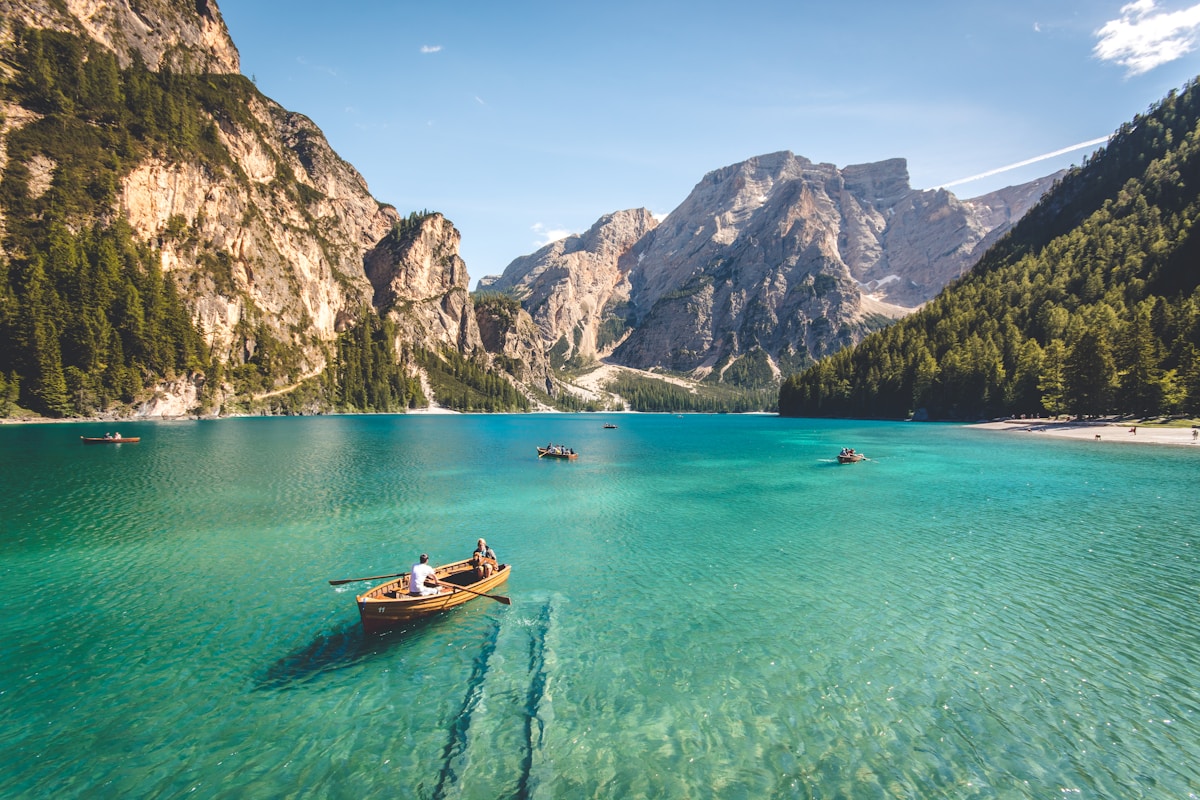
The best mornings on a Xinjiang drive start with mist on the water and a wood stove still warm from the night before.
Lakeside cabins and small timber lodges sit at the edge of Xinjiang’s most beautiful water – Kanas, Sayram, and the smaller alpine tarns along the Tianshan. They trade hotel uniformity for silence, stars, and a short walk to the shoreline at first light. This guide covers where the cabins actually are, what they cost, and how to book one without arriving to a locked door.
Why a lakeside cabin beats a town hotel
A cabin near Kanas Lake or Sayram Lake puts you inside the scenery instead of an hour’s drive from it. You can photograph the sunrise reflected on still water, cook a simple dinner after a long day behind the wheel, and skip the early checkout that town hotels enforce. For self-drivers, a cabin also means your car is parked steps from the room, so loading camera gear or a roof box at 5 a.m. is painless. The trade-off is fewer services: expect limited Wi-Fi, cash-only payment at smaller places, and cold mornings even in summer at altitude. If you value quiet and an early start over room service, the cabin wins every time.
- Sunrise and sunset are a short walk from your door
- Your vehicle stays next to the room, not in a distant lot
- Limited staff means a calmer, quieter night
- Altitude and weather make mornings cold year-round
Kanas and Hemu: the classic cabin country
The Kanas Scenic Area in northern Xinjiang is the heart of cabin country. Hemu Village in particular is a cluster of timber houses and guest cabins built in the local style, many run by Tuva and Kazakh families. Staying inside the reserve lets you reach the Hemu viewing platform and the Kanas lakeside boardwalk before the day-trippers arrive from Burqin. Booking is best done through the official scenic-area platform or a trusted agent because room counts are capped to protect the environment. Prices rise sharply in the autumn larch season (late September to early October), when the whole valley turns gold and cabins sell out weeks ahead.
- Hemu Village cabins fill first in autumn
- Book via the scenic-area platform, not just walk-up
- Stay inside the reserve to beat the day-trip crowds
- Autumn (Sep-Oct) is the premium, sell-out window
Sayram Lake: ring-road cabins and yurts
Sayram Lake, the largest alpine lake in the Tianshan, now has a ring road with several cabin and yurt camps pitched along the shore. A lakeside cabin here is perfect for the famous blue hour after sunset and the sea of wind turbines on the far ridge. Because the lake sits at about 2,000 metres, nights are cold even in July, so check that the cabin has proper heating. Some operators run glamping-style cabins with private bathrooms; others are basic timber huts sharing facilities. Decide which you want before paying, because the photos online are not always honest about the plumbing.
- Ring-road camps sit right on the shoreline
- Confirm heating – the lake is high and cold at night
- Glamping cabins differ hugely from basic huts
- Private bathroom vs shared is the key price divider
What to check before you pay
Before confirming any lakeside cabin, ask four questions: is heating included, is the bathroom private or shared, is breakfast or cooking allowed, and what is the cancellation rule if the mountain road closes? Weather and road closures are common in Xinjiang, and a non-refundable cabin booked during a Duku or Tianshan pass closure is an expensive lesson. Also confirm the exact GPS location – ‘lakeside’ can mean a 20-minute drive in marketing language. A quick map check saves a miserable arrival. Paying a small deposit through a platform with reviews is safer than transferring to a stranger.
- Heating included?
- Private or shared bathroom?
- Cooking or breakfast allowed?
- Cancellation if the pass closes?
Getting there and parking
Most lakeside cabins are reached on paved but winding mountain roads. A normal 2WD rental handles the ring roads around Sayram and the approach to Kanas, but the final access tracks inside some reserves are rough and favour higher clearance. Arrive before dark – there is no street lighting and the last hour of a mountain road is unnerving at night. Tell the cabin host your estimated arrival so they can leave a light on and, in winter, a cleared path to the door. Fuel up before leaving the last town; the cabins themselves have no petrol station.
- Paved but winding – drive the last hour in daylight
- 2WD is fine for ring roads; tracks favour clearance
- Fuel in the last town, never at the cabin
- Message your ETA so they leave a light on
| Area | Altitude | Best season | Typical price/night |
|---|---|---|---|
| Kanas / Hemu | 1,300-1,600 m | Jun-Oct | YEN 400-900 |
| Sayram Lake | ~2,000 m | Jun-Sep | YEN 350-800 |
| Small Tianshan tarns | 1,800-2,400 m | Jul-Sep | YEN 300-700 |
| Reservoir camps (east) | ~1,000 m | May-Oct | YEN 250-600 |
Practical takeaways
- Book Kanas and Hemu cabins weeks ahead for the September larch season.
- Confirm heating and bathroom type before you transfer any deposit.
- Arrive before dark – mountain access roads have no lighting.
- Fuel up in the last town; no cabin has a petrol station nearby.
Frequently Asked Questions
- Can I book a lakeside cabin on the day?
- Sometimes near Sayram in summer, but Kanas and Hemu cabins should be booked days or weeks ahead, especially in autumn. Walk-up availability is rare at the famous spots.
- Are lakeside cabins warm enough in shoulder season?
- The better ones have proper heating and are fine from May to October. Always confirm heating before paying, because high-altitude nights turn cold quickly.
- Do I need a border permit for these cabins?
- Kanas and Hemu are inside Xinjiang but not in a restricted border zone for most visitors; the scenic-area ticket covers access. The Pamir lakeside stays do require a border pass, so check per region.
- Is it worth a cabin if I am on a tight budget?
- If budget is the priority, town hotels near the lake are cheaper, but you lose the sunrise and the silence. A cabin is a value-add for photographers and early risers, not a saving.