

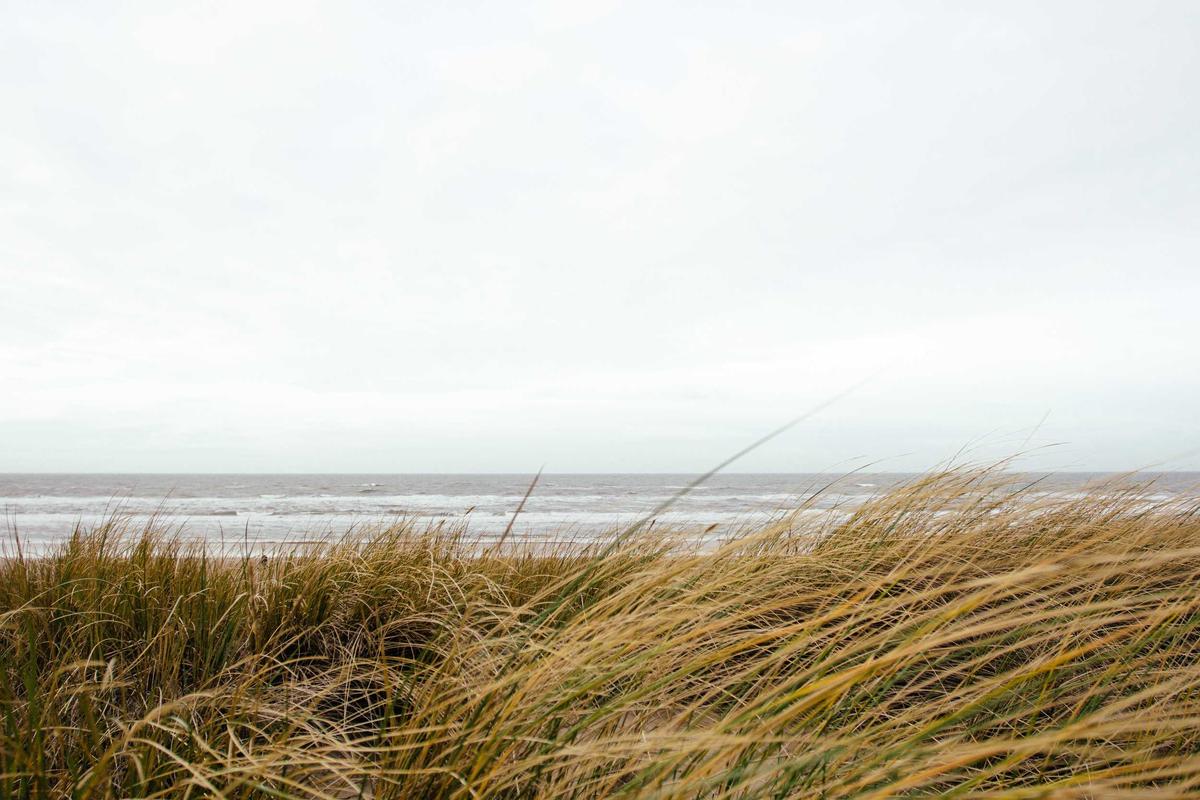
In a yurt on the edge of the Taklamakan a gust lifted the tent flap at midnight and the Milky Way was right there — hotels can’t give you that, but they also can’t take away the discomfort.
Where you sleep in Xinjiang isn’t only hotels. Yurts (ail) on the grassland, felt tents in the desert, and Pamir homestays are the most memorable overnights on a driving route. Conditions are basic but the locations are unrepeatable: step out and there’s a snow peak or a sea of flowers. Here’s the honest version so you can judge if it’s for you — and how to do it without a miserable night.
Yurts and gers: grassland and desert staples
Around Nalati, Bayinbuluke and Sayram Lake, yurts are priced per person, about 150–300 RMB incl. simple breakfast and dinner. Inside: a stove, platform beds or singles, shared pit toilets and a basic shower. In July, Nalati yurts need a week’s notice; walk-ins often find them full. A ger is smaller and more rustic than a yurt; if the wind moves the flap, light sleepers should think twice. The experience is the point — waking to cows lowing and mist off the meadow — but manage expectations: the ‘room’ is canvas, the floor is felt over earth, and the glamour is in the view, not the mattress. I pick a yurt within sight of a fixed building so I can retreat if the night turns foul. Book through the scenic-area app or a trusted herder contact, not a roadside wave-down.
- 150–300 RMB/pax incl. basic meals
- Book Nalati a week ahead in July
- Pick one near a fixed building as backup
Taklamakan desert camps
Along the desert highway (Luntai–Minfeng, about 566 km) a few stargazing camps offer tents and plain meals. Zero light pollution means the galaxy is visible to the naked eye. Spring and autumn are most comfortable; summer inside the tent is stuffy and winter the camp closes. Power comes from a generator, so phone charging is timed — don’t expect steady hot water. The Taklamakan is the world’s second-largest shifting-sand desert, and sleeping at its edge is surreal: silence so complete you hear your own pulse. I did one night in October and the temperature swung 25°C between afternoon and 3 a.m. Layers and a closed sleeping bag are non-negotiable. Confirm the camp is open and staffed before committing — a closed camp in the middle of nothing is no joke.
- 566 km desert highway, few stargazing camps
- Best Apr–Jun & Sep–Oct; summer stuffy, winter shut
- Generator power only; charge on a schedule
Pamir homestays
Around Tashkurgan, homestays are stone yards with heated kang beds; above 3,000 m they have heating (winter) and a kettle — more reliable than grassland yurts. The yurts by Karakul Lake demand altitude tolerance and wind resistance; best for fit travellers. A Pamir homestay near a village gives you a real wall, a door that latches, and a host who’ll brew milk tea at 5 a.m. before your Khunjerab push. I rate these above lakeside yurts every time: warmer, safer, and you’re not fighting wind to sleep. The trade is a 30–40 minute drive from the lake viewpoint, but the sleep is worth it. Ask about altitude heating specifically — some only light the kang on request.
- Stone yards with heated kang beds, 3,000 m+
- Warmer and safer than lakeside yurts
- Ask host to light the kang on request
Honest conditions
No en-suite bathroom, no steady hot water. Power is generator-based and often cuts after 11 pm. Signal in grassland and desert is basically nil. Bring cash, wet wipes and a sleeping-bag liner. My first yurt night without a liner meant insomnia from the wool smell and the cold. The truth is these stays are an adventure add-on, not a lodging solution — budget one per trip, pair with hotel nights, and you’ll love it. Two consecutive yurt nights and the charm thins. Also: toilets are pit or squat; if that’s a hard no, stick to scenic-area cabins and hotels. The liner isn’t optional — it’s the difference between a story and a regret.
- No en-suite, no steady hot water
- Generator power often off after 11 pm
- Bring cash, wipes, sleeping-bag liner
How to book without regret
Prefer homestays with a fixed wall and a sign; don’t follow strangers on the roadside. I confirm by phone with the guesthouse owner before leaving the county, then let GPS guide me to the nearest junction where someone meets me. The ‘star-room’ listings online are mostly marketing; lower your expectations and you’ll enjoy it. For yurts, book through the official scenic-area platform so the price is fixed and the location is real. Roadside touts near Nalati and Bayinbuluke offer ‘my cousin’s yurt’ — sometimes fine, often a long walk from where you parked. I’ve had good luck only when a trusted local made the call. Treat any unsolicited offer with calm skepticism.
- Book via official scenic-area platform, not roadside touts
- Confirm by phone before leaving the county
- Fixed-wall homestay > canvas yurt for comfort
Who should and shouldn’t
Yurt and desert camps suit fit travellers who’ve camped before, couples chasing a photo, and anyone who values a view over a mattress. They’re poor choices for toddlers, anyone with mobility limits, and the cold-averse. The Pamir homestay is the most accessible of the three. I’ve taken my niece (9) to a Nalati yurt and she loved the stove and the stars; I would not take my 70-year-old aunt — she needs the lift and the AC of a real hotel. Match the stay to your weakest traveller, not your boldest. One rule I never break: nobody sleeps above 3,000 m in a tent on night one of a high plateau — that’s how altitude bites.
- Great for fit travellers and photo chasers
- Avoid for toddlers and mobility limits
- Never tent-sleep above 3,000 m on night one
| Type | Elevation / place | Price | Conditions |
|---|---|---|---|
| Grassland yurt | 1,300–2,500 m | 150–300 RMB/pax | Shared toilet, stove, weak hot water |
| Desert camp | Along Taklamakan | 200–400 RMB/pax | Tent, generator, stargazing |
| Pamir homestay | 3,000 m+ | 200–350 RMB/pax | Kang bed, heating, simple bath |
Practical takeaways
- Ask ‘is there a private toilet?’ before paying for a yurt.
- Cash is king at grassland camps, forget signal.
- Pack a bag liner and wet wipes.
- One adventure stay per trip, pair with hotel nights.
Frequently Asked Questions
- Are yurts cold?
- Grassland nights run 8–15°C; the stove warms but you refill it midnight. A fleece and a bag liner are safest.
- When do desert camps open?
- Best in April–June and Sept–Oct; July–Aug too hot, Nov–March closed.
- Can I charge an EV at yurt camps?
- Essentially no — the generator covers lights only. A hybrid or petrol car is better.
- Safest specialty stay for older travellers?
- A Pamir stone homestay with a heated kang — real walls, a door, and warmth.