

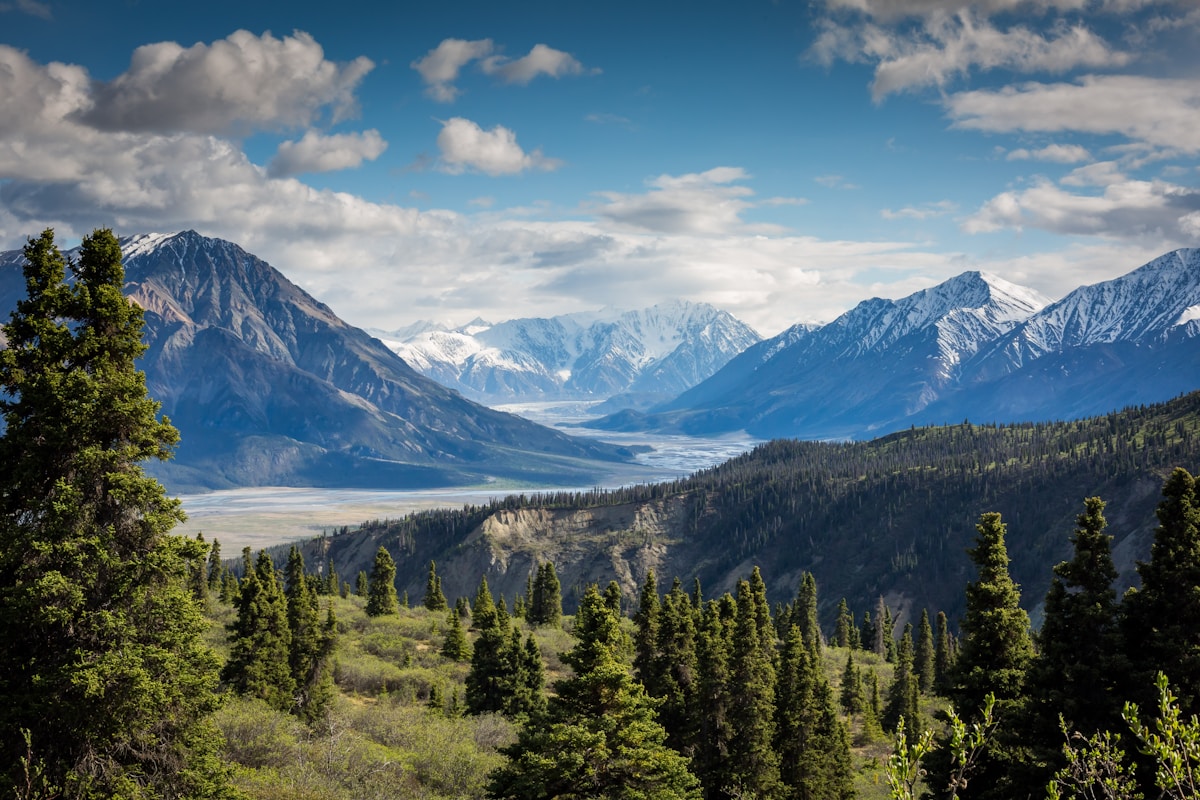
Ten days is the sweet spot where a Xinjiang loop stops being a list of towns and starts being a real journey from the northern lakes to the Pamir.
A 10 day Xinjiang road trip itinerary can link the Duku Highway, Kashgar and the Pamir Plateau with the northern alpine lakes if you plan the drive and the season well. This guide lays out a day-by-day loop, the distances, and the permit and weather notes that keep ten days from turning into a rush.
The shape of a 10-day loop
The loop below runs Urumqi to the Duku, south to Kashgar, up to the Pamir, then a flight or drive back north to the Sayram and Kanas side before returning to Urumqi. It mixes the desert south with the green north so you see both faces of the region. Ten days means about four to six hours of driving on most days, with two long but rewarding legs. The Duku Highway is the spine of the middle, and the Pamir is the highlight of the west. Build in one rest day if you feel the pace. The loop also leaves room to swap the Pamir for more Ili grassland time if high altitude does not suit you, since both sit on logical day drives from Kashgar and Korla. Keep the overnight stops short and the driving days deliberate, and ten days feels full rather than frantic.
Driving the Duku leg
The Duku Highway climbs from the prairie to snow-line and back, about 560 kilometres of switchbacks, tunnels and views, open roughly early June to late September. It is the most photo-stopped road in the region, so pad the day with time for pull-offs. North of it, the Sayram Lake area and the Ili grasslands are the green reward; south of it, Kuqa and the desert open toward Kashgar. Because the pass closes for weather, check the status before you commit the day. A Duku day is best started early and ended before dark. Fuel up before the pass, because the high section has few services, and download the offline map so a signal drop does not cost you the route. The pull-offs are where the trip lives, so budget time for them rather than racing the 560 kilometres.
The Kashgar and Pamir leg
Kashgar Old Town is the cultural anchor of the south, with the bazaar, the old lanes and the food. From there the Pamir Plateau rises through the Karakoram to Tashkurgan and Karakul Lake, a high, stark, beautiful drive that needs a border permit. Kashgar is also where you reset fuel, cash and supplies before the thin west. Plan two nights on the Pamir if altitude bothers you, and keep the Karakul lakeside as a highlight stop. The Pamir Plateau is the kind of place that justifies the whole loop. Spend the Kashgar rest day on foot in the old lanes and the food streets, because the city is best slow. The Pamir leg is high and dry, so drink water and ease the first night if you feel the altitude. Karakul Lake at dawn is the single frame most drivers remember.
Northern lakes and the return
On the way back north, Sayram Lake and Heavenly Lake near Urumqi bookend the trip with water and mountains, and Kanas Lake is the far-north prize if you extend. The north is greener and wetter, a contrast to the Tarim desert you crossed. The return to Urumqi is the place to hand back the car and fly out. A 10 day Xinjiang road trip itinerary like this leaves you wanting more, which is the right feeling. If the schedule allows, add a night at Sayram to catch the lake at first light, when the wind is down and the water is still. The return drive to Urumqi is long but straightforward on good highway, so an early start and one fuel stop is enough. Hand the car back the same evening and fly out refreshed.
Rest days and how to pace ten days
Ten days reads tight on paper but opens up once you protect two rest days: one in Kashgar and one on the northern lake leg. The Duku and Pamir are the long, exposed drives, so sandwich them with easy town days rather than stacking them back to back. If altitude bothers you, add a second Pamir night in Tashkurgan and skip the far-north Kanas extension. A loop that keeps four to six hours of driving on most days, with the two big legs isolated, is the version drivers actually finish relaxed. Pace beats distance on a route this size.
| Day | Base | Drive |
|---|---|---|
| 1 | Urumqi | Arrive, prep car and permits |
| 2 | Dushanzi | Urumqi to Dushanzi, 250 km |
| 3 | Kuqa | Duku Highway south, 560 km |
| 4 | Kashgar | Kuqa to Kashgar via G3012, 700 km |
| 5 | Kashgar | Old Town and bazaar rest day |
| 6 | Tashkurgan | Kashgar to Pamir, 290 km |
| 7 | Kashgar | Karakul Lake return, 290 km |
| 8 | Korla | Kashgar to Korla, 1000 km or fly |
| 9 | Sayram | Korla to Sayram via north, 600 km |
| 10 | Urumqi | Sayram to Urumqi, 550 km |
Practical takeaways
- Open the Duku and Pamir legs only in the early-June to late-September window.
- Get the border permit in Kashgar before the Pamir drive.
- Use one flight hop to trim the long Korla or Kashgar return leg.
- Book Kashgar and scenic-area nights two days ahead in summer.
Frequently Asked Questions
- Is 10 days enough for Xinjiang?
- Enough for a strong loop of the Duku, Kashgar and the Pamir, with a taste of the northern lakes. It is not enough for the far north Kanas plus the deep south, so pick the loop shape that fits your must-sees.
- Can I do this in a rental car?
- A rental with a Chinese-licensed driver, yes. Self-drive on a foreign licence is not permitted, so most visitors hire a car and driver for the loop and set the route themselves.
- When is the Duku Highway open?
- Usually early June to late September, weather permitting, because snow closes the high pass. Confirm the status a day before, as openings shift with late spring and early autumn weather.
- How much driving per day?
- Four to six hours on most days, with two long legs of 700 to 1000 kilometres that you can cut by flying one hop. Build a rest day if you want a slower pace.