

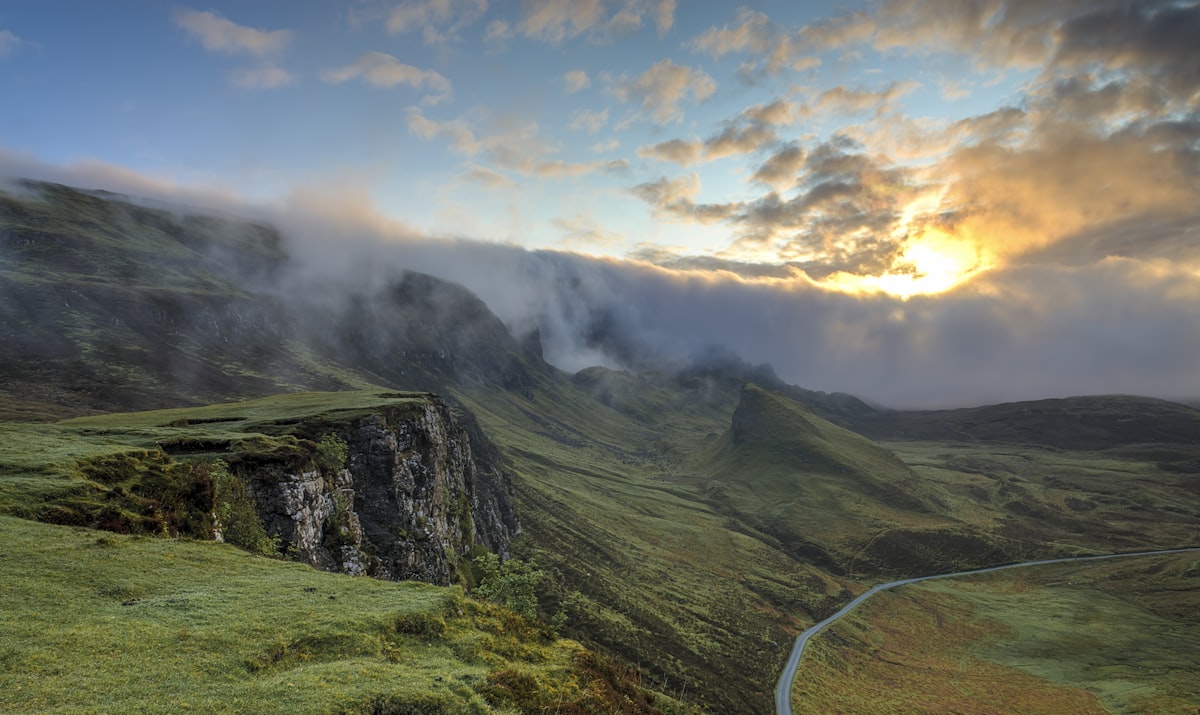
Kalajun was the first Xinjiang meadow that made me understand why travellers call the Yili valleys the Swiss Alps of the east, except wider and wilder.
Kalajun Grassland lies in Tekes county in the Yili Valley, part of the Xinjiang Tianshan UNESCO World Heritage area, and it is one of the most beautiful rolling meadow systems in the region. Unlike the busier Nalati, Kalajun spreads in wide flower meadows above the Tekes river with long views and fewer crowds. This guide covers how to reach it, when to go, what to do, and how it compares with the other grasslands.
What makes Kalajun special
Kalajun means broad and beautiful in the local language, and the name fits: a series of plateau meadows step down from the hills to the Tekes river, carpeted with wildflowers from May through July. It is part of the Xinjiang Tianshan heritage area, which gives the landscape formal protection and keeps the grazing balanced. The light here is the draw, with cloud shadows moving across green slopes and snow peaks on the horizon. Compared with Nalati Grassland, Kalajun feels more open and less built up, so you get wide silence rather than bus parks. The meadows roll rather than climb, which makes walking easy and photography rewarding. I rank it above the headline grasslands for pure scenery, precisely because it is less famous and therefore less crowded at the popular hours.
- Plateau meadows step to the Tekes river
- Wildflowers run May through July
- Less built up than the busier grasslands
Getting there from Tekes
The grassland sits in Tekes county, the famous octagonal Bagua city laid out on a compass plan, about two to three hours from Yining by road. From Tekes town you take the scenic road and the site shuttle up to the plateau, because private cars are restricted inside the protected area. The shuttle is included with entry and runs the meadow loops, so you ride rather than drive among the flowers. Sayram Lake is a longer drive north and makes a separate trip, but the Ili Valley itinerary often chains Kalajun with the wider meadows. I base in Tekes for a night, because the town itself is worth a walk and the early start beats the gate queue. The road in is pretty in its own right, with orchard villages and river flats along the way.
- In Tekes county, about 2 to 3 hours from Yining
- Site shuttle replaces private cars inside
- Base in Tekes for an early start
When to visit for the colour
Late May to July is the sweet window, when the meadows are green and the flowers peak, with June often the best mix of bloom and weather. August stays green but quieter, while September turns golden and cold, a different but striking look. The Ili Valley itinerary timing follows the same arc, so plan the whole loop around early summer for flowers. Mornings are clearest and the light is soft, so I enter at opening and walk the high meadow before the afternoon haze. After rain the slopes steam gently, which photographs beautifully. Avoid the wettest weeks if you want dry trails, but do not fear a cool day, because the meadow in cloud is its own kind of beauty. The season is short, so the early summer plan wins.
- Late May to July is the flower peak
- June often best for bloom and weather
- Mornings are clearest; enter at opening
What to do on the meadow
Kalajun is for slow movement: walk the plateau loops, watch the cloud play, and ride a horse with a local herder if one is available. The wide views invite long sits more than long hikes, though marked paths let you stretch your legs. Photography is the main sport, with the meadow, the river far below, and the snow line as your frame. A Nalati Grassland day is more activity heavy, while Kalajun rewards stillness. I carry water, a layer, and a picnic, because services on the plateau are minimal and the joy is the quiet. The site is large, so pick one or two meadow sections and enjoy them rather than rushing the whole map. A half day well spent beats a full day hurried, and the meadow asks you to slow down.
- Walk loops and watch the cloud play
- Horse rides with herders when available
- Carry water and a layer; services are minimal
Planning Kalajun into a route
Kalajun fits a wider Yili loop: pair it with Tekes town, the nearby valleys, and a longer run to Sayram Lake if time allows, or fold it into a full Ili Valley itinerary that also touches Yining and the vineyards. A Urumqi Turpan loop is a different region entirely, so keep Kalajun in the northern Yili plan. Give it a full half day plus the transfer, and resist stacking too many sites in one day, because the meadow deserves unhurried time. I link Kalajun with a night in Tekes and a second grassland nearby, so the contrast between the meadows is the story. The UNESCO status means the land is protected, so tread lightly and stay on the paths. Build the loop around early summer and the flowers do the rest.
- Pair with Tekes and a run to Sayram Lake
- Keep it in the northern Yili plan, not the Turpan loop
- Give a full half day plus transfer
| Feature | Kalajun | Busier alternative |
|---|---|---|
| Crowds | Fewer | Nalati heavier |
| Shape | Rolling plateau | River valley style |
| Best time | May to July | Same flower window |
| Style | Slow and quiet | Activity focus |
Practical takeaways
- Base in Tekes for an early, queue free start
- Enter at opening for clear morning light
- Carry water and a layer; plateau services are minimal
- Visit in early summer for the wildflower peak
Frequently Asked Questions
- Where is Kalajun Grassland
- Kalajun lies in Tekes county in the Yili Valley, part of the Xinjiang Tianshan UNESCO area, about two to three hours by road from Yining.
- When is the best time to visit
- Late May to July brings green meadows and peak wildflowers, with June often the best mix of bloom and weather; September turns golden and cold.
- How do I get around inside
- Private cars are restricted in the protected area, so you use the included site shuttle that runs the meadow loops after entering from Tekes.
- Is Kalajun better than Nalati
- It is less built up and less crowded, with wider open meadows and long views, so many travellers prefer it for scenery and quiet, while Nalati offers more activity.