

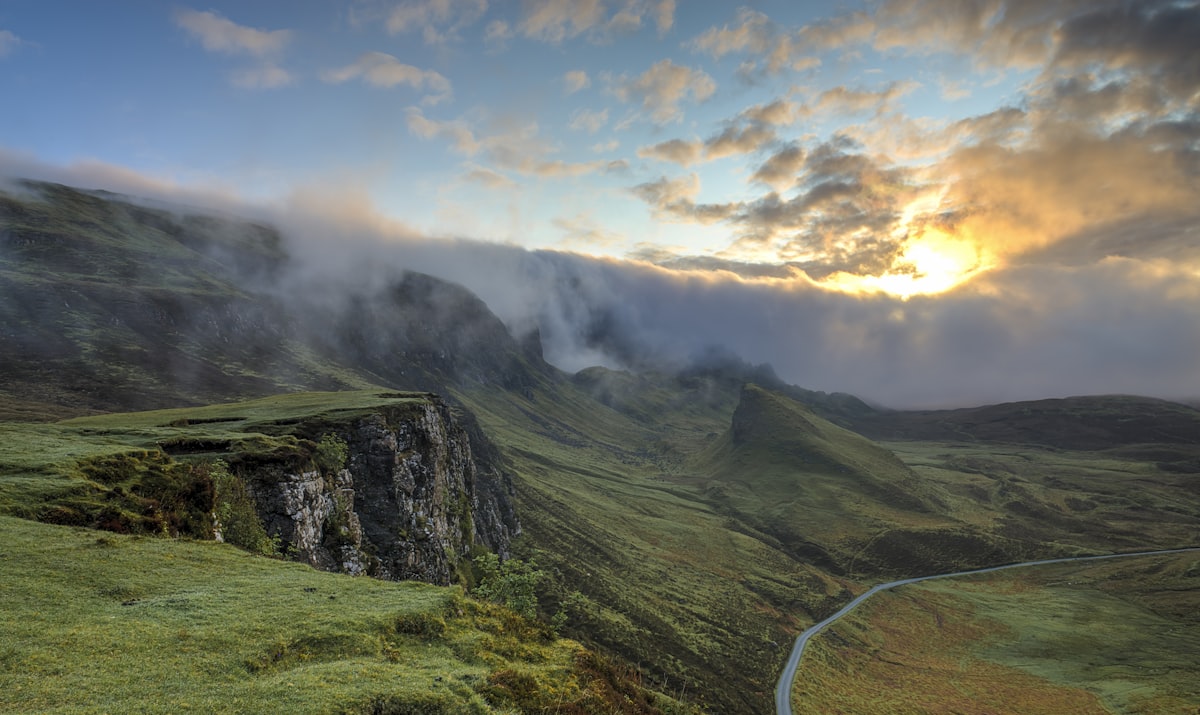
I walked the Koktokay gorge where the river cut the granite into strange forms, and the old mine train told a story of the cold north that the guidebook skimmed.
Koktokay Geopark is the canyon and mining heritage site of the Altai in northern Xinjiang, a river cut gorge of strange granite and a former rare metal mine that now draws travellers for the scenery and the story. For a self driver it is a detour north from the Altay road, a chance to see the granite forest, the clear river, and the cold peaks that shape the far north. This guide covers what Koktokay is, how to reach it from Altay, the best season and the access, the mine and the canyon, and how to pair the park with the wider northern route.
What Koktokay is
Koktokay is a geopark built around a deep river gorge in the Altai, where the water has cut the granite into pillars and walls that the local tongue names the stone forest, a landscape of cold rock and clear stream under the northern peaks. The site also holds the old rare metal mine, a working pit turned heritage that explains the mining past of the region, so the park pairs the natural form with the human story. Altay City is the gateway, a few hours north, and the park sits in the cool belt where the air stays sharp even in summer. I treat Koktokay as the quiet north, because the Altai is greener and colder than the basin, and the gorge is the signature of the range. The rock is the sculpture, the mine is the memory, and the river is the carver. Walk the gorge, and the north speaks.
- River gorge with granite pillars
- Old rare metal mine, now heritage
- Altay City is the gateway
How to reach the park
Koktokay lies south of Altay City, reached by a paved road that runs a few hours through the Altai valleys, a gentle drive with the river and the pine on either side. The road from the north corridor turns toward Altay and then south to the park, so a self driver strings it as a northern detour, with the city as the fuel and food base. The winter adds the snow chains need on the passes, because the Altai ices early and the high road demands the careful kit, so check the season before you go. I fuel in Altay City and leave after the morning cold eases, because the day is short in the cold months, and the park needs a clear few hours. The road is the approach, and the gorge is the arrival. Drive the valley, reach the rock.
- South of Altay City, a few hours
- Northern detour from the corridor
- Snow chains on winter passes
Season, access, and the cold
The best time to visit Xinjiang for Koktokay is late spring through early autumn, when the gorge is open and the river runs clear, while winter brings deep snow and a closed or slow access that suits only the prepared driver. The park keeps daytime hours and the ticket at the gate takes the scan apps and cash, so plan the half day with the shuttle on either side, and dress for the cold, because the Altai air bites even in July. The gorge path is well made but long, so a steady pace and water help, and the viewpoint at the bend is the photo. Road safety on the Altai road is mostly slow speed on the curved pass, because the mountain rewards the careful driver, and the snow chains rule protects the winter guest. The season is cool, the access is simple, and the cold is the constant. Visit in green, dress for white.
- Late spring to early autumn best
- Daytime hours, ticket at gate
- Cold even in July; snow chains winter
The mine and the canyon
The old mine is the human half of Koktokay, a pit and a rail that once pulled the rare metal from the rock, now a heritage walk that explains the cold war era industry of the north. The canyon is the natural half, the granite walls and the clear river that you follow on the path, with the strange forms that give the park its name. The two together make the visit, because the rock and the rail tell one story of the Altai, and a self driver who walks both sees the range in full. I start at the mine and end at the gorge bend, because the order builds the tale, and the light on the granite is best at the open hours. The mine is the past, the canyon is the present, and the river is the link. Walk the rail, then the rock.
- Mine is the human half
- Canyon is the natural half
- Start mine, end at the bend
Pairing with the northern route
Koktokay fits a northern route as the cool highlight, because the Altai sits above the corridor and a self driver can pair it with Altay City and the wider loop for a full taste of the far north. A 10 day Xinjiang loop can bend north to include the park, because the gorge is a genuine white space away from the busy south, and the drive adds the cold peak to the warm basin. I build the northern leg around the park as the anchor, because the Altai is the green and the cold that balances the desert, and the road there stays gentle. The park also rewards the rested driver, because the long gorge path needs the legs, so a calm night in Altay City sets the pace. Sleep north, tour the rock, and let the canyon close the loop. A morning in Koktokay beats a rushed day at any gate.
- Cool highlight of the north
- Fits a 10 day northern bend
- Rest in Altay before the path
| Feature | Detail | Note |
|---|---|---|
| Type | River geopark | Granite gorge |
| Claim | Old mine heritage | Rare metal past |
| Gateway | Altay City | Few hours south |
| Best | Late spring to autumn | Cold even in July |
Practical takeaways
- Fuel in Altay City before the park
- Carry snow chains in the cold months
- Dress for cold even in summer
- Start at the mine, end at the bend
Frequently Asked Questions
- What is Koktokay Geopark
- Koktokay Geopark is a river cut canyon in the Altai of northern Xinjiang, with granite pillars and an old rare metal mine turned heritage, paired as a scenery and story site.
- How do I reach it
- It lies south of Altay City, a few hours by paved road through the Altai valleys, reached as a northern detour from the corridor, with the city as the fuel base.
- When is the best time
- Late spring through early autumn is best, when the gorge is open and the river runs clear, while winter brings deep snow and a slow or closed access.
- What is the old mine
- The old mine is a heritage walk of the rare metal pit and rail that once supplied the cold war era industry of the north, now explaining the Altai mining past.