

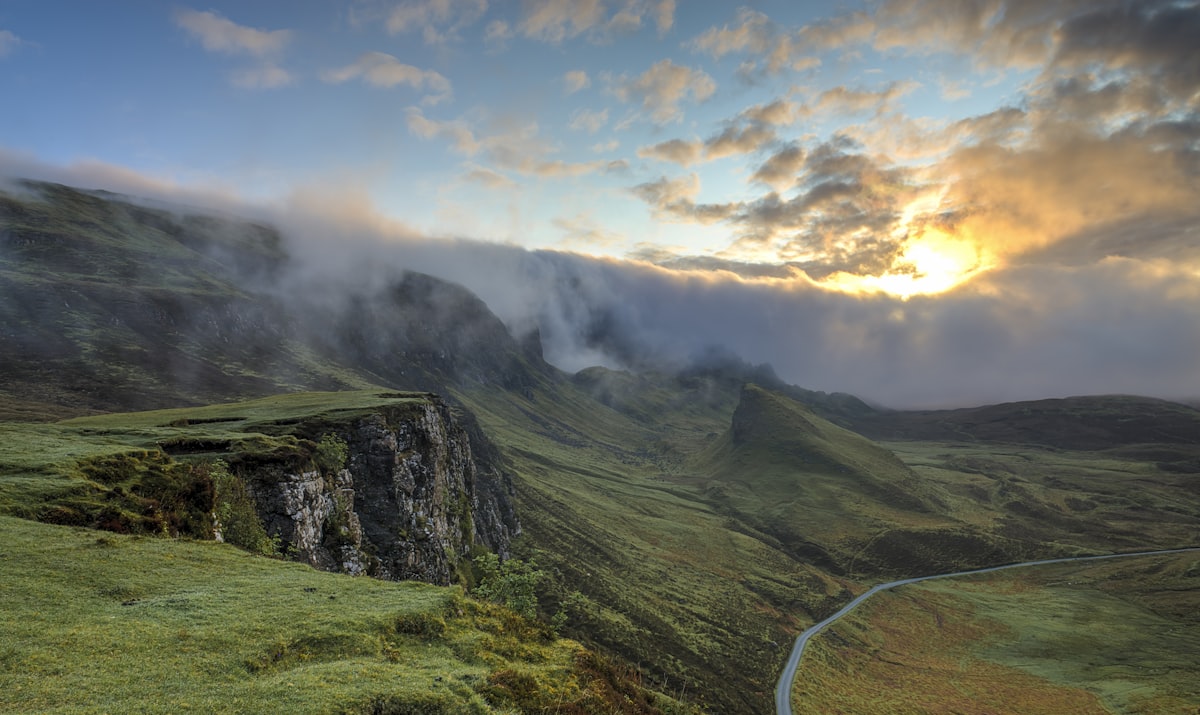
The day a tire let go on a basin straight, the number I had saved before leaving saved the trip, because the next help was ninety kilometers down a quiet road.
An emergency plan is the unglamorous half of a Xinjiang self-drive, and the region rewards travelers who prepare before the empty road rather than after the breakdown. The distances between towns are long, the checkpoints are frequent, and a stuck car in the desert is a serious problem only if you did not plan the call. This guide covers the contacts and the chain of help, how your car rental firm fits the plan, what the border permit and the police checkpoint mean in an emergency, the driving license and documents to keep ready, the winter driving hazards that cause most calls, and the simple habits that turn a bad hour into a managed one on the remote roads of the region.
The chain of help on a remote road
The help chain in Xinjiang runs from the roadside assistance number you saved, to the car rental firm that owns the vehicle, to the highway patrol and the local police post that sit at every county gate, and finally to the hospital in the nearest county seat. On a basin straight the first call is the rental firm or the assistance line, because they dispatch a tow or a mechanic familiar with the vehicle, and the police post can radio a patrol if you are truly stuck. Save the numbers in the phone before you leave the city, because coverage thins in the desert and you do not want to search at the roadside. The road safety habit of telling someone your route and night stop means a missing traveler is noticed fast. The chain works, but only if you built it before the quiet road, so the first ten minutes of a problem are about the call, not the panic.
- Save assistance and rental numbers first.
- Police posts sit at every county gate.
- Share your route and night stop.
Your car rental firm in the plan
When you arrange a car rental, ask the firm for their roadside line and their after-hours contact, and confirm whether the contract includes a tow or charges it, because that detail decides who pays when the car quits. A good firm logs your route and can redirect a mechanic to your last known town, which is why stating the plan at pickup matters more than it feels. Photograph the vehicle and the contract at handover so a later claim or a breakdown dispute has a baseline, and keep the firms card in the glove box, not just the phone. The rental desk in Urumqi or Kashgar is the practical hub of your emergency plan, because they own the car and they move the help. A clear rental relationship turns a breakdown from a crisis into a logistics call.
- Get the after-hours line at pickup.
- Confirm tow terms in the contract.
- Keep the firm card in the glove box.
Checkpoints, the permit, and getting help
In an emergency near a border zone the border permit you carry identifies you fast at the checkpoint, and the police there are often the first responders on the quiet roads, so keep the permit with the passport and the driving license in one pocket for the moment. The checkpoint is not a barrier in trouble; it is a node that can radio a patrol or a tow, and a calm explanation of where you are and what broke gets action quicker than a frustrated one. If you bent south without the permit, the delay at the gate is itself the lesson, so carry it whenever the loop trends toward the controlled counties. The documents routine you already keep for check-ins is the same routine that speeds help, so the prepared traveler is the helped traveler. Treat the permit as part of the safety kit, not just the entry ticket.
- Permit speeds ID at the gate.
- Police are first responders out here.
- Keep documents in one pocket.
Documents to keep ready at all times
The driving license and the passport are the two papers you reach for in any stop, planned or not, so they ride in the same place every day, not buried in a bag. The rental papers and the insurance card join them, because a checkpoint or a tow driver may ask for proof of the vehicle, and fumbling costs time you may not have on a cold pass. A paper copy helps when the phone has no signal, which happens on the long straights, so snap a photo and also carry a printed slip. The habit of one document pocket is the small discipline that makes every other emergency step faster, and it costs nothing at the start of the day. Ready papers are the quiet advantage of the calm driver, and they matter most when the day goes wrong.
- License and passport in one place.
- Add rental and insurance papers.
- Carry a paper copy for no-signal zones.
Winter driving hazards and the common calls
Most emergency calls in the cold season come from winter driving hazards: black ice on a shaded pass, a stalled car with the heater running, or a closure that strands a traveler without a buffer night. The fixes are boring and effective: snow chains on the driven wheels, a full tank before a pass, a buffer night booked near any closure, and a thermal blanket in the boot for the wait. The basin heat is the summer hazard instead, with overheating and a cracked hose on the long straights, so carry water for the radiator and a shade stop at noon. The common calls share one cause, which is a plan that ignored the season, so build the season into the route and the calls drop. Winter is beautiful on the northern loop, but the preparation is what keeps a hazard from becoming a night.
- Snow chains and a full tank.
- Book buffer nights near closures.
- Carry water for summer overheating.
Simple habits that manage a bad hour
The habits that turn a bad hour into a managed one are small: a charged power bank so the call goes through, a reflective vest and a triangle for a roadside stop, a first-aid strip and the animal health papers if you travel with a pet, and the discipline to pull fully off the lane before you solve anything. Tell a contact your night stop each morning so a silence is noticed, and keep the water and the snacks that turn a two-hour wait into a slow rest. None of this is heroic, and all of it is the difference between a story and a problem on the empty road. The emergency plan is a handful of saved numbers and a calm routine, built before the quiet, and it is the most useful thing in the glove box. Prepare the call and the road stays friendly even when it is not easy.
- Charged power bank, vest, triangle.
- First-aid and pet papers if needed.
- Tell a contact your night stop daily.
| Item | Why |
|---|---|
| Assistance and rental numbers | First call on a breakdown |
| Reflective vest and triangle | Safe roadside stop |
| Power bank | The call goes through |
| Thermal blanket | Winter wait comfort |
Practical takeaways
- Save assistance and rental numbers before leaving the city.
- Keep license, passport, and rental papers in one place.
- Carry a power bank and a reflective vest.
- Book a buffer night near any winter closure.
Frequently Asked Questions
- Who do I call first if the car breaks down?
- The roadside assistance line or your car rental firm, then the police post at the next county gate if you are stuck. Save the numbers before you leave the city.
- Does the border permit help in an emergency?
- Yes. It identifies you fast at a checkpoint, and the police there often act as first responders on the quiet roads.
- What documents should I keep ready?
- The driving license, passport, rental papers, and insurance in one pocket, plus a paper copy for no-signal zones.
- What causes most winter calls?
- Black ice, stalled heaters, and closures without a buffer night. Chains, a full tank, and a booked buffer night prevent most of them.