

The first time I drove the ravine west of Turpan and stepped into the cool dim of a Bezeklik cave, I expected faded walls and little else. What stopped me was the color — a 1,000-year-old red, ochre and Prussian blue still glowing under the gorge’s shadow, the painted donors staring out with the same calm they wore when this was a thriving Buddhist center on the Silk Road. The bezeklik caves are not the most comfortable stop in Xinjiang, but they are among the most moving for anyone curious about the meeting of cultures that once happened here.
Bezeklik (柏孜克里克千佛洞) sits in the Mutou Valley (木头沟, “Wood Valley”), about 45 km east of Turpan city and roughly 15 km north of the Gaochang ruins. It’s a place where the desert’s cruelty and its artistry sit side by side.
 }
}
A brief, layered history
The caves were carved and painted between roughly the 9th and 14th centuries, the golden age of the Uyghur Kingdom of Gaochang. But the site’s roots go deeper — earlier hermit cells and small temples hint at activity from the 5th century onward. What makes Bezeklik special is its role as a royal cave temple: the Uyghur ruling elite sponsored large, richly decorated grottoes here, and the murals show a remarkable blend — Buddhist iconography painted with Central Asian, Chinese and even Manichaean visual traces.
This was a frontier where languages, faiths and trades overlapped. You can see it in the faces: round-eyed donors in flowing robes, inscriptions in multiple scripts, a visual record of a tolerant, cosmopolitan Silk Road that no longer exists.
The art you can still see
Walk slowly through the open grottoes and a few things stand out. The central caves hold rows of seated Buddhas in niches, their halos picked out in red and gold leaf that has survived the dry air. In the larger royal caves, narrative friezes show preaching scenes and processions of donors — kings, queens, and attendants rendered with a confidence that tells you this was court art, not folk decoration. The famous “double-headed eagle” motif on one ceiling is a rare survival of a pre-Islamic symbol adapted into a Buddhist context.
A handful of caves are kept behind glass with low, warm lighting to slow fading. Guards will tell you which are open; respect the ropes. The experience is intimate precisely because the site is small and quiet compared with the great cave complexes farther east.
What survives — and what was lost
Be honest with yourself before you go: Bezeklik has suffered. Of perhaps 80+ original caves, around half are gone or severely damaged, and many of the finest murals were cut from the walls in the early 20th century and scattered to museums in Berlin, London, Tokyo, New Delhi and St. Petersburg. A famous group of Bezeklik paintings was lost in WWII bombing in Berlin. What remains in situ is a fraction, and some walls are bare stone where masterpieces once hung.
That history of loss is part of the visit. Standing in a cave with empty rectangular patches where a mural was removed is sobering — but the surviving fragments are extraordinary: rows of Buddha figures, flying apsaras, and vivid narrative scenes. A few caves are protected behind glass with low lighting to slow further fading.
Practical visiting facts
- Location: Mutou Valley, ~45 km east of Turpan city; usually visited en route to or from the Gaochang Ruins.
- Tickets: roughly ¥40 (seasonal; confirm at the gate).
- Hours: about 09:30–19:00 in summer, shorter off-season.
- Time needed: 60–90 minutes.
- Access: a short walk (and sometimes a shuttle) from the parking area into the gorge.
The gorge itself is scenic — a narrow cut of rock with a seasonal stream — and on a hot day the shade is welcome. Wear sturdy shoes; the path is uneven in places.
The road in, from Turpan
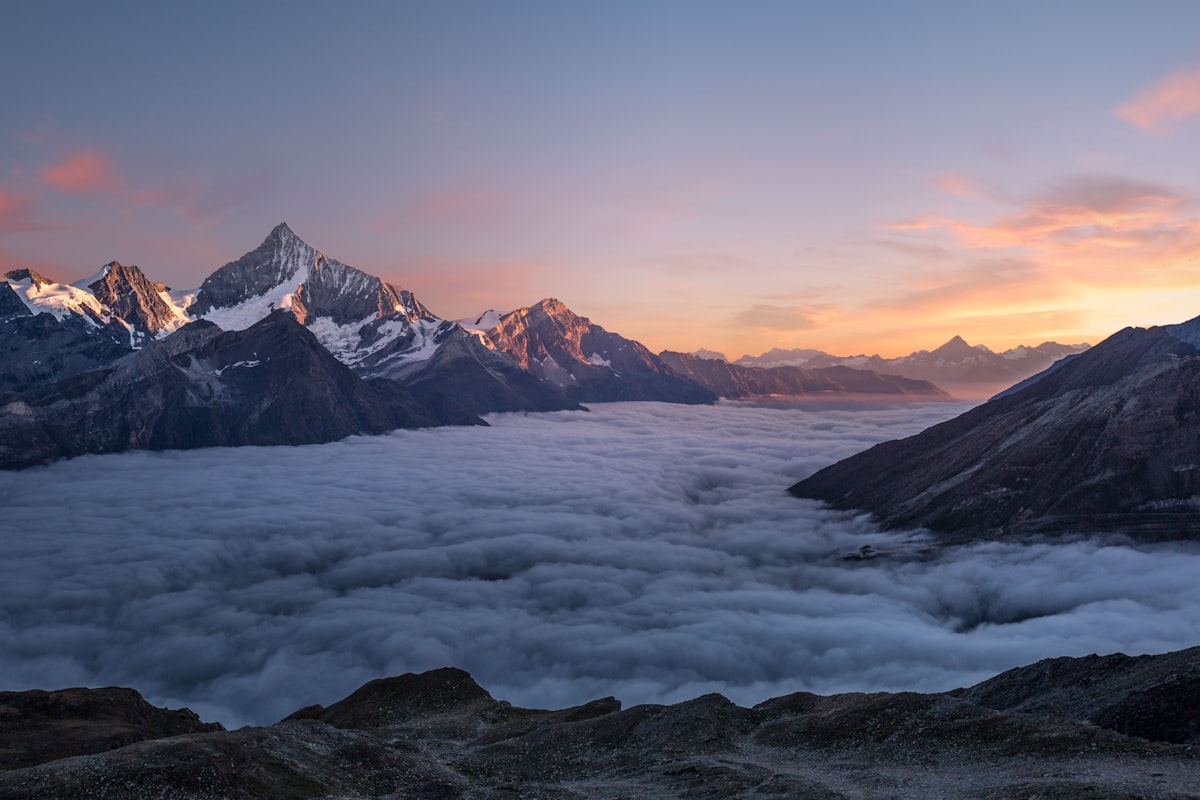
The drive is part of the experience. From Turpan city head east on the G30 or the older road; after roughly 40 km you turn north off the highway toward the Mutou Valley, and the last 5–10 km is a quieter county road that climbs gently into the red foothills. The gorge mouth is signed, and there is a parking area where the road ends. The whole approach takes about 50–70 minutes from the city, so treat Bezeklik as a half-day when paired with Gaochang (15 km south) and the Flaming Mountains — the three form the natural eastern Turpan triangle.
How to reach Bezeklik
Most people arrive as part of a Turpan loop by rental car or driver. From Turpan city, head east on the G30 expressway or the older road past the Flaming Mountains; the turnoff toward Mutou Valley is well signed. I like to combine it like this:
- Morning: Turpan Flaming Mountains guide for photos (go early, before the heat).
- Midday: drive the short hop north to Bezeklik and walk the cool gorge.
- Afternoon: continue to the Gaochang Ruins guide, just south, for the desert city that fed this temple complex.
That trio — Flaming Mountains, Bezeklik, Gaochang — is the classic eastern Turpan day and tells a complete story: the land, the faith, the fallen city.
Best light and best season
The caves are shaded by the gorge year-round, so “light” matters less for the paintings (which are interior) than for the approach and the valley walls. For comfort:
– April–May, September–October: ideal — warm, not scorching, and the gorge has some greenery. These shoulder months also suit the broader best time for a Xinjiang road trip.
– June–August: brutally hot; do this as a midday shaded stop and carry water. The gorge is cooler than the open desert.
– Winter: cold and windy, shorter hours, but deeply atmospheric with snow on the red rock.
Photography inside the caves is restricted to protect the murals — respect the signs and the guards. The exterior gorge and the valley are fair game.
What to bring
Bezeklik is a simple site with limited facilities:
- Water — there is little shade and no refreshment inside the gorge.
- A torch or phone light helps read the dimmer cave interiors.
- Sturdy, closed shoes for the uneven path.
- A jacket even in spring or autumn; the gorge holds a chill when the wind funnels through.
Why Bezeklik rewards the patient traveler
I’ll be candid: if you arrive expecting the density and polish of Dunhuang’s Mogao caves, you may feel let down. Bezeklik is fragmentary, remote, and a little melancholy. But that’s exactly its power. This is a site that asks you to imagine what was, to read absence as much as presence. For anyone driving the Silk Road route — perhaps after the Jiaohe Ruins guide on an earlier day — Bezeklik completes the picture of a Turpan that was once a Buddhist heartland long before the oasis took its later shape.
Give it the patience it deserves: read the few intact murals slowly, note the donors’ faces, and let the gorge’s silence do the rest.
FAQ
How many caves are there at Bezeklik? Historically 80 or more grottoes; about half survive in recognizable form, and only a portion retain murals after a century of looting and weathering.
Why are so many murals missing? In the early 1900s, explorers removed large sections to overseas museums; some were later lost, including a famous group destroyed in Berlin during WWII.
Can you take photos inside the caves? Generally no — interior photography is restricted to protect the fragile paintings. The exterior valley is fine to photograph.
How do I combine Bezeklik with other sites? Pair it with the Gaochang Ruins (15 km south) and the Flaming Mountains for a full eastern-Turpan day; both are short drives away.
When is the best time to visit? April–May and September–October are most comfortable; in summer use it as a shaded midday stop and bring water.
Is Bezeklik worth it if I’ve seen Dunhuang? It’s smaller and more damaged, but historically distinct — a Uyghur royal cave complex showing a unique Silk Road blend. Worth it for serious cultural travelers.
Final word
Bezeklik is a quiet, partly empty place — and that emptiness is the point. Come for the surviving murals, stay for the story of a lost Silk Road world carved into a red gorge.
Written by Karl Huang, a Xinjiang-based travel writer. Cave access, ticket prices and photography rules at Bezeklik can change — confirm the current arrangements with local Turpan tourism before you travel.