

When I walked the Jiaohe ruins at sunset, the light turned the packed-earth walls the color of embers and the whole plateau went quiet. There is no rebuilt palace here, no gift shop on the main street — just a city cut straight from the ground, 2,000 years old, and utterly alone on its strip of land. The Jiaohe Ruins (交河故城) are, by most measures, the largest and best-preserved raw-earth city ruins on earth, and standing in them is one of the most moving stops on any Turpan trip.
Jiaohe is not a pile of fallen stones like a European ruin. It is a city carved downward into a plateau — streets are trenches between blocks of earth, and the buildings rise from the ground rather than standing on it.
 }
}
The setting: a city between two rivers
Jiaohe sits on a long, narrow mesa about 10 km west of modern Turpan, where two branches of a river (the Yarnaz) wrap around it on either side — hence the name, “river junction city.” The plateau is roughly 1,650 meters long and 300 meters wide at its widest, with sheer earth cliffs dropping to the waterways below. That natural moat made Jiaohe nearly impossible to assault, which is why a settled town here goes back more than two millennia.
The site was the capital of the Jushi (Cheshi) kingdom, a key Silk Road oasis state, later controlled by the Han, then the Gaochang overlords, and finally abandoned around the 14th century after Ming-era conflict and the shifting of trade. Unlike nearby Gaochang, Jiaohe was never rebuilt on top of itself, so what you see is remarkably intact in plan.
The Buddhist past
Jiaohe was a major Buddhist center, and the faith left its deepest mark at the southern end of the mesa. The large monastery district there — a walled compound with a central stupa and rows of monk cells — shows how the city balanced worldly power with spiritual life. Smaller temples and a scattering of domestic shrines sit along the main street, and fragments of painted plaster found in excavations suggest at least some interiors were once colored. The famous Tang pilgrim Xuanzang is said to have stopped here on his journey west, which tells you how important the city was on the Buddhist circuit. Standing in the silent monk cells, you get a sense of a community that prayed and traded at the crossroads of continents.
How to get there
Jiaohe is the easiest of the Turpan ruins to reach.
- From Turpan city: about 10 km west, a 15–20 minute drive. Taxis, Didi, and tour shuttles all make the run; the road is paved and signed.
- From Urumqi: roughly 180 km southeast via the G30 Expressway, around 2.5–3 hours, usually as part of a Turpan overnight rather than a day return.
- By bike: a growing number of visitors cycle out from the city on the dedicated path; it’s flat and about 40 minutes of easy pedaling.
The parking lot sits a short distance back from the entrance gate, and a shuttle bridges the gap — budget a few minutes for that transfer at busy times.
Walking the main route
The visit is a one-way walk from the entrance gate down the spine of the mesa. The path is clear and signed. Key things to look for:
- The main north–south street: a broad trench flanked by the foundations of temples, homes, and workshops. You are walking in the actual roadway, with rooms opening off it like a sunken city.
- The Buddhist monastery district (south end): a large walled compound with a central stupa and rows of monk cells. This is the spiritual heart and the most atmospheric corner.
- The residential quarters (central): grids of rectangular rooms where ordinary families lived, with hearths and storage still legible in the floor.
- The tomb area (north): a separate necropolis of subterranean chambers cut into the cliff edge.
Budget 1.5 to 2.5 hours to walk it properly. The route is mostly flat but exposed, with little shade.
Best light for photography
Two windows are magic:
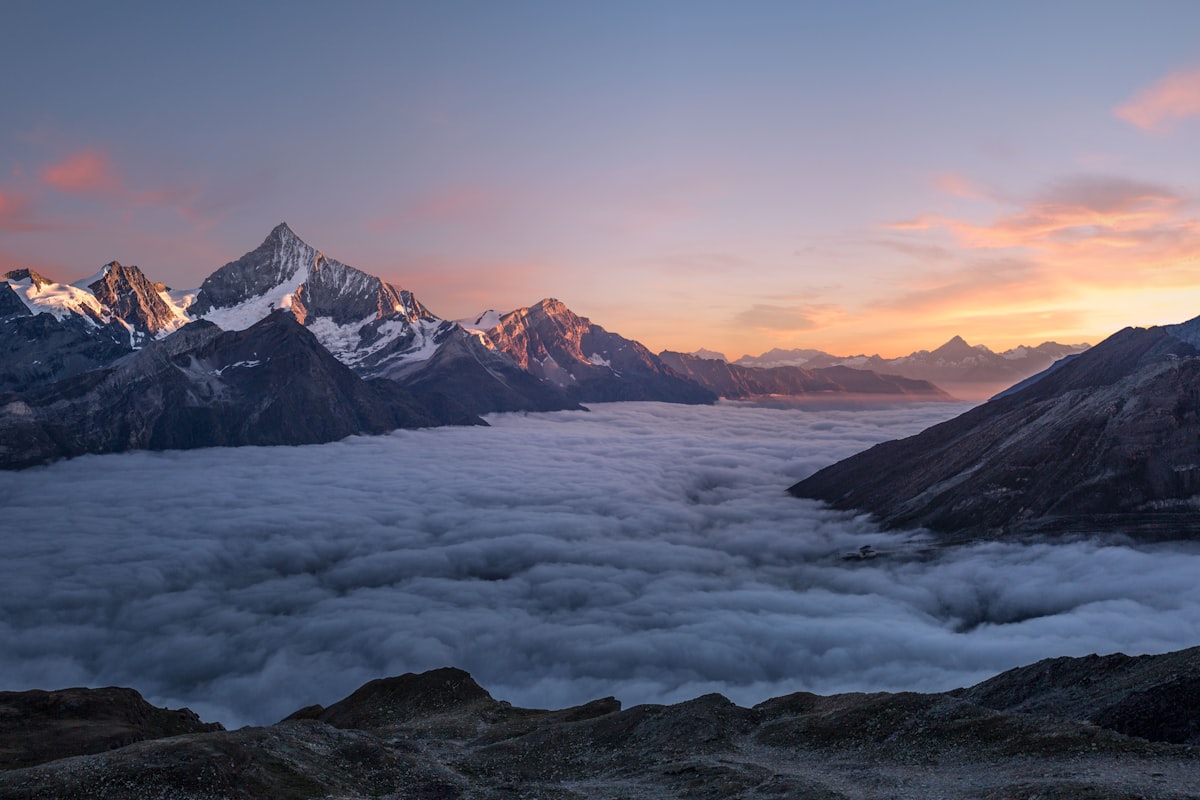
- Sunrise to mid-morning: low angled light rakes across the earth walls and the plateau is cool and empty.
- Late afternoon to sunset: the walls glow red-gold and the Turpan Flaming Mountains guide behind the site turn the same color, unifying the whole landscape.
Midday is harsh and flat — fine for the walk, weak for photos. Because the mesa bakes in summer (Turpan tops 40°C easily), dawn and dusk are also simply more comfortable.
A photography walk-through
Start at the gate and shoot back along the spine for the receding-trench perspective. At the south monastery, drop low to frame the stupa against the open sky. On the return, the western cliff edge gives you the Yarnaz river far below and the Flaming Mountains beyond — the single best wide shot of the day. A polarizer helps cut the glare on the pale earth.
Tickets and access
Entry is typically around ¥70 in recent seasons (confirm at the gate); the ticket generally includes a short shuttle from the parking area to the entrance gate, since the lot sits a distance back. Bring ID or passport for the scan. The site is well managed with boardwalks protecting the fragile earth, and you must stay on the paths — the raw-earth structures crumble if climbed. There are basic toilets at the gate visitor center; carry your own water, as there is none inside.
What to bring
Jiaohe gives almost no shade, so come prepared:
- A sun hat, sunglasses, and high-SPF sunscreen.
- At least one liter of water per person in summer.
- Closed, sturdy shoes — the packed-earth path is uneven.
- A wide-angle lens for the mesa’s isolation and a telephoto (70–200mm) to compress the monastery stupa.
Pairing Jiaohe with other Turpan sites
Jiaohe is the centerpiece of a Turpan “history day.” A strong sequence:
- Dawn: Jiaohe for cool light and solitude.
- Late morning: Karez Wells of Turpan guide to understand the water that kept the oasis alive.
- Afternoon: Gaochang Ruins guide for the larger, more ruined rival city to the south.
- Evening: Grape Valley or the Flaming Mountains for contrast.
Jiaohe and Gaochang are the two great ruined cities of Turpan, and seeing both in one day lets you feel the difference: Jiaohe is the intact, carved-down city; Gaochang is the sprawling, weathered one.
Seasonal variation
- Spring (Mar–May): warming, calm, uncrowded — excellent walking.
- Summer (Jun–Aug): extreme heat; only dawn or dusk is bearable. Go early.
- Autumn (Sep–Oct): the best season — mild, clear, gorgeous light.
- Winter (Nov–Feb): cold and stark, but the bare plateau against a low sun is haunting and you may have it alone.
Practical tips
- Stay on boardwalks; the earth is fragile and climbing is prohibited.
- Wear a hat and carry water — shade is almost none.
- A wide lens captures the mesa’s isolation; a 70–200mm compresses the monastery stupa nicely.
- Wear sturdy shoes; the path is uneven packed earth.
- Combine the visit with the open-air sound-and-light show some evenings in season, if running.
FAQ
How far are the Jiaohe Ruins from Turpan city? About 10 km west, a 15–20 minute drive, easy as a half-day or dawn trip.
What is the ticket price? Roughly ¥70 in recent seasons including the gate shuttle; confirm at the visitor center as prices change.
Why is Jiaohe special compared to Gaochang? Jiaohe is carved down into a plateau and remarkably intact in layout, while Gaochang is larger but more eroded. Both are worth seeing for contrast.
Can I visit at sunset? Yes, and it is the best light — but check the closing time, as the gate often shuts before dark in shoulder seasons.
Is it wheelchair or stroller accessible? The main path is flat but uneven earth with boardwalks; it is manageable but not smooth. The gate shuttle helps with the initial distance.
How long should I spend? Plan 1.5–2.5 hours for a proper walk of the main street, monastery, and tomb areas.
Final word
Jiaohe is Turpan’s quiet masterpiece — a whole city pressed into the earth and left to the wind. Walk it slowly, and the Silk Road stops being a history lesson and becomes a place you can almost hear.
Written by Karl Huang, a Xinjiang-based travel writer. Entry fees, opening hours and shuttle service at Jiaohe change by season — confirm the current arrangements with the local visitor center before you travel.