

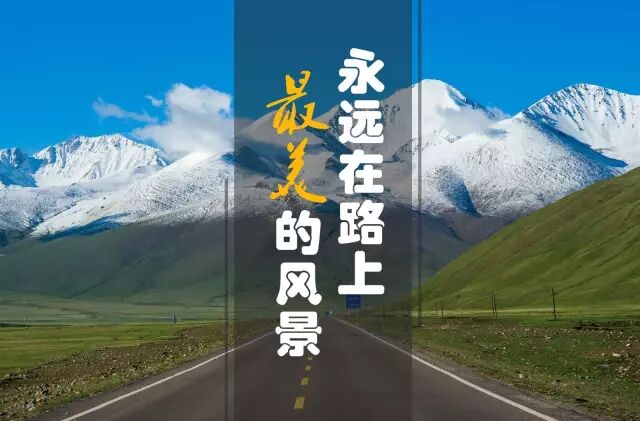
Winter empties Xinjiang but gifts you snow scenes alone — my cold-season loop is shorter, slower and quietly spectacular.
A winter Xinjiang trip trades the Duku for snow and ice: frozen Sayram, snowy Kanas (if open), Altay powder and ice festivals. Roads are limited, so the loop is compact and weather-aware — the off-season that rewards the prepared.
Days 1–3: Urumqi and Sayram ice
Urumqi museums and bazaar, then the G30 to frozen Sayram Lake — a glassy, silent white plain. Heated lakeside stays or Bole. Keep the tank above half in cold. The Urumqi days are the warm reset: museums (mummies, textiles) and the bazaar, both heated and easy. The G30 to Sayram is the winter workhorse — ploughed, open, fast. Frozen Sayram is a white mirror, silent and empty; a heated lakeside stay or a Bole hotel (30 km, cheaper) is the base. The tank-above-half rule is the winter non-negotiable: a cold start is easier and a stranding stays warm longer. Days 1–3 are the ‘ice’ chapter — the city warm-up and the frozen lake, both on open roads. The white plain at dawn, with no other visitor for miles and the lake a single sheet of clear ice, is the winter prize that makes the cold entirely worth it.
- Urumqi museums + bazaar
- G30 to frozen Sayram
- Tank above half; heated stay
Days 4–6: Altay powder
Fly or train north to Altay for Jiangjunshan or Keketuohai ski fields — the real reason to come in winter. Resort apartments with gear storage; book around Spring Festival early. Altay is the powder capital: Jiangjunshan and Keketuohai for the serious, with resort apartments and gear storage. The Spring Festival crush books the apartments out a month ahead — I lock them early. The fly-or-train north is the winter move (the Duku is closed, so you can’t drive the loop); the G7 north is open but long, the flight is faster. Days 4–6 are the ‘powder’ chapter — the reason winter is worth it: empty slopes, deep snow, half-price everything off the holiday.
- Altay: Jiangjunshan, Keketuohai
- Resort apartments, gear storage
- Book Spring Festival early
Days 7–8: Kanas if open
Kanas and Hemu sometimes keep limited winter access; check. Snowed-in roads close fast — have a backup. If closed, extend Altay or return south. The Kanas winter access is the gamble: some years the road stays open for limited visits, some years it’s shut by snow. I check the morning I leave Urumqi and have the backup (extend Altay, or return south) ready. The snowed-in road closes fast — a clear dawn can become a shut afternoon, so the backup is real, not theoretical. If Kanas is open, it’s a snowy fairy-tale village; if not, Altay’s powder is the consolation. Days 7–8 are the ‘maybe’ chapter — weather decides, and the plan flexes.
- Kanas winter access = gamble
- Snow closes roads fast; have backup
- If shut, extend Altay or return south
Days 9–10: return and buffer
Back to Urumqi; keep buffer for snow controls on the G30/G7. Indoor museums fill a weather day. The return is the release valve — the G30/G7 back to Urumqi, with the buffer for snow controls (temporary closures during a blizzard). Indoor museums fill a weather day; the bazaar is heated. The buffer is the winter essential: a snow control can add hours, and the slack absorbs it. Days 9–10 close the compact loop: ice, powder, maybe Kanas, home. The winter trip is shorter and slower than summer — the Duku is closed, the passes are ice — but the snow scenes alone are the reward. The prepared driver gets the postcard; the ego gets the ditch.
- G30/G7 return; buffer for snow
- Museums fill a weather day
- Winter loop shorter, slower, spectacular
Winter rules
Snow tyres or chains up north, indoor garage at night, no night passes. The Duku and Yizhao are closed — don’t plan around them. The snow tyres (or chains) are the legal and practical floor; the indoor garage is the clean morning crank; the no-night-passes rule is the safety line. The Duku/Yizhao closure is fixed — winter plans use the G30/G7 and the ski fields, not the mountain passes. I tell winter travellers: the postcard is real (frozen Sayram, Altay powder), but only on the open corridors and with the kit. The winter rules aren’t suggestions; they’re the difference between a story and a wreck. Plan the loop on ploughed roads, gear up, and the off-season delivers a version of Xinjiang that the summer crowds never get to see.
- Snow tyres/chains; indoor garage
- No night passes; Duku closed
- Plan on G30/G7, not passes
| Days | Focus |
|---|---|
| 1–3 | Urumqi + frozen Sayram |
| 4–6 | Altay ski |
| 7–8 | Kanas if open |
| 9–10 | Return + buffer |
Practical takeaways
- Snow tyres or chains up north.
- Book Altay over Spring Festival early.
- Keep buffer for snow controls.
- Don’t plan around the closed Duku.
Frequently Asked Questions
- Is the Duku open in winter?
- No — fully closed Nov–May.
- Best winter draw?
- Altay powder and frozen Sayram.
- Driving prep?
- Snow tyres/chains, indoor garage, no night passes.
- Kanas in winter?
- Limited access some years; have a backup plan.