

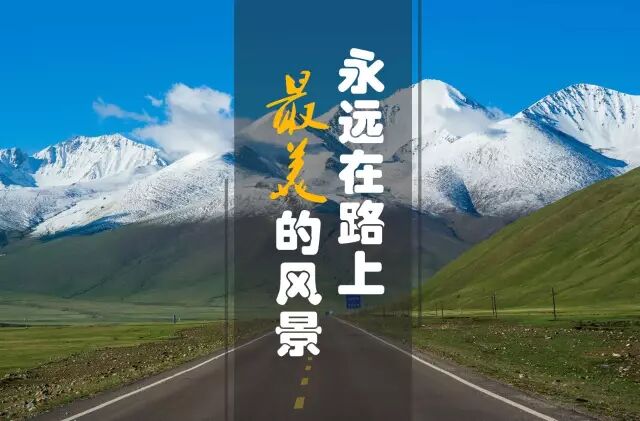
A motorhome turns the 1,200 km between Urumqi and Kashgar into a moving hotel — provided you know where the rules let you actually park it.
Renting a campervan or motorhome is the closest thing to a mobile basecamp on a Xinjiang loop: you carry your bed, kitchen and toilet, and skip the nightly hotel hunt. The trade is rules — most scenic reserves ban wild camping, and a few vehicle-size limits apply. This guide covers where to rent, what it costs, and how to use one without a fine.
What you can actually rent
In Urumqi, several agencies rent six-berth C-class motorhomes for about 600 to 1,500 yuan a day plus mileage, and converted vans are cheaper at 300 to 700. Some car rental firms now add a motorhome line, so shop around. Anything under 6 m and 3.5 t needs the same driving license as a normal car; larger units need a higher licence class, so foreigners should confirm the vehicle length against their home licence and notarised translation before paying.
- 6-berth motorhome: 600 to 1,500 yuan per day plus mileage
- Converted van: 300 to 700 yuan per day
- Under 6 m and 3.5 t equals normal car licence
- Larger units need a higher class — confirm first
Sleeping: campsites, not the wilderness
Wild camping is officially discouraged inside the reserves — Kanas, Sayram and the Pamir valleys all forbid it — so plan to use the designated RV camping parks and campgrounds instead. Many highway service areas let you park overnight in the lot but frown on awnings and chairs, which draw a knock on the window. The growing network of roadside camps along the G30 and G218 is the practical answer; the dedicated RV campgrounds guide maps the good ones.
- Reserves (Kanas, Sayram, Pamir) ban wild camping
- Use designated RV parks and campgrounds
- Service-area lots: park, do not set up
- Roadside camps on the G30 and G218 are the answer
Power, water and waste
Rentals carry a leisure battery and a diesel heater — the heater is essential once the night drops below freezing. Fresh-water tanks hold about 80 to 100 litres; grey and black waste must be dumped at campground stations, which are rare elsewhere, so fill water in towns and dump only where signed. A full tank and an empty waste tank at the start of a leg keeps you self-sufficient for two or three nights.
- Leisure battery plus diesel heater (key below 0 C)
- Fresh water: about 80 to 100 L tank
- Dump waste only at campground stations
- Fill water in towns, not at scenic taps
Routes that suit a van
Loop roads with frequent service areas work best — the Urumqi to Turpan to Korla run on the G30 and G3012, and the Ili Valley on the G218. The Pamir on the G314 needs a border permit and has fewer dump points, so plan stops in advance; high passes like the Duku (G217) are fine in summer but closed in winter. A van is brilliant for a slow grassland week and awkward for a rushed city dash. If you are new to a big vehicle, take a day to learn the dimensions in a Urumqi car park before the mountain roads, because mirrors and rear clearance feel different at 6 m.
- Best: G30 and G3012 and the Ili Valley (G218)
- Pamir (G314): needs a border permit, fewer dumps
- Duku (G217): summer only, winter-closed
- Learn the size in a car park before the mountains
A van day
Drive a loop leg, reach a campground by 17:00, hook up or run the battery, cook, sleep, and leave by 10:00. Pair the van with a packing list so you are not missing the one thing you cannot buy at the next town. The freedom is real — you stop where the light is good — but the freedom ends where the ranger’s tape begins, so respect the campground rules and the reserves.
- Arrive campground by 17:00, leave by 10:00
- Pair with a packing list
- Stop for the light, not the schedule
- Respect campground and reserve rules
Insurance, mileage and the contract
Read the contract before you sign, because the headline daily rate is rarely the whole cost. Most agencies cap the mileage — often 200 to 300 km a day — and charge a per-kilometre fee beyond it, which stings on the long Pamir and desert legs. Basic insurance is usually included but with a high excess, and the windscreen and tyres are sometimes excluded, so photograph the vehicle inside and out at pickup. Crossing into the border regions also needs the vehicle’s own paperwork in addition to your driving documents, the same as a normal rental. A deposit is taken by swipe or transfer and returned after the walk-around, so leave buffer on the card.
- Mileage cap about 200 to 300 km per day
- Basic insurance included, high excess
- Windscreen and tyres sometimes excluded
- Border regions need the vehicle’s own paperwork
| Type | Daily | Mileage | Best for |
|---|---|---|---|
| 6-berth motorhome | 600 to 1,500 yuan | about 1 yuan per km | Families, long loops |
| Converted van | 300 to 700 yuan | included or some | Couples, budget |
| With driver | plus 300 to 500 yuan per day | n/a | First-timers |
Practical takeaways
- Confirm the vehicle length against your licence class before you pay.
- Plan overnight stops at RV parks and campgrounds, not inside the reserves.
- Fill water and dump waste only at campground stations.
- Pair the van with a packing list so you are not missing essentials.
Frequently Asked Questions
- Can a foreigner rent a campervan?
- Yes, through Urumqi agencies, with the same licence documents as a car. Larger units may exceed your licence class, so confirm the vehicle length first.
- Where can I sleep in it?
- At designated RV parks and campgrounds, and in many service-area lots. Not inside the reserves or on town streets.
- Do I need special driving skills?
- No more than a normal car under 6 m; in winter the diesel heater and icy access roads need care, so read the winter-driving notes.
- What about the toilet and waste?
- Tanks must be dumped at campground stations; fill the fresh-water tank in towns and never at scenic taps.