

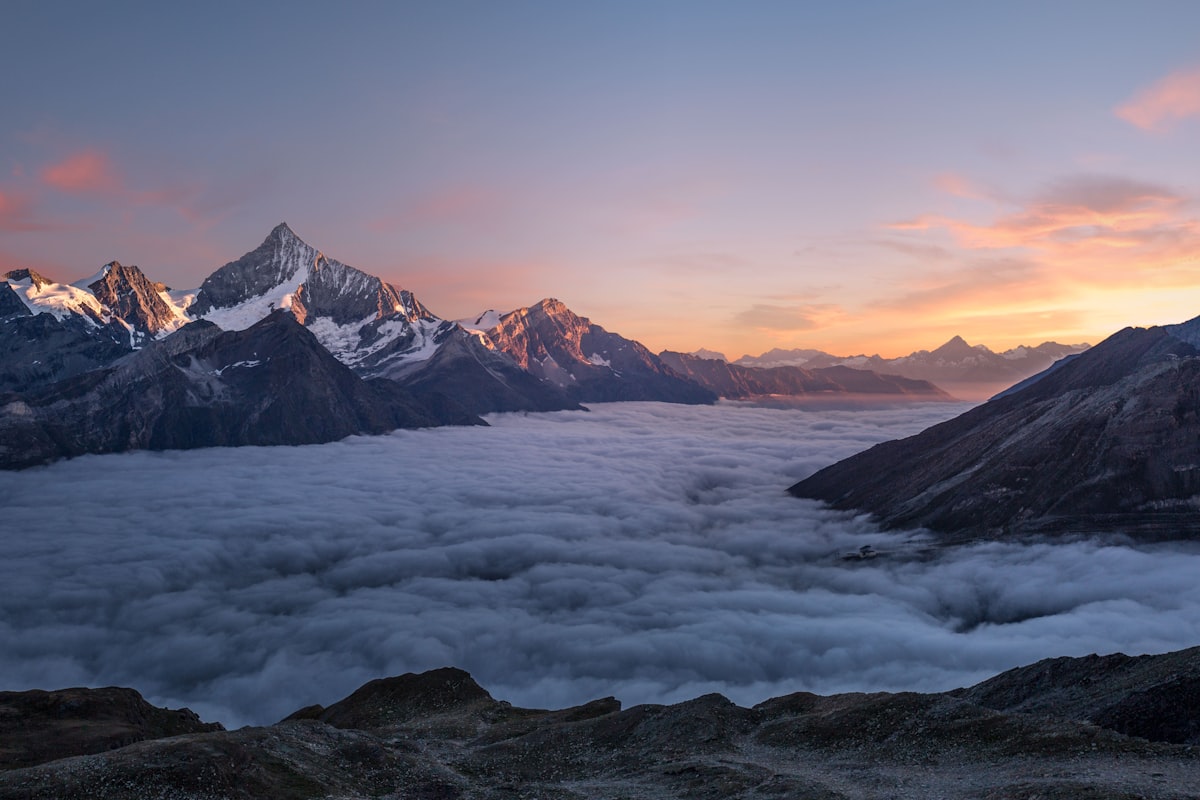
Driving the Tian Shan with my dog changed the packing list more than the route, and the surprises were all at the hotel desk and the border gate.
A pet-friendly Xinjiang road trip is entirely possible, but it asks for more planning than a solo drive because hotels, border zones, and the long empty stretches between county seats all treat a dog or cat differently. The region is vast and many towns are pet-tolerant in practice, yet the licensed hotels that register foreign guests do not all allow animals, and the border counties near the Pamir add a permit layer that complicates a pet on board. This guide covers the rules and realities, how to choose a pet-friendly car rental, what to pack for the animal, how border permits and checkpoints handle pets, the road-safety habits that keep everyone calm, and the winter driving caveats that matter most when you travel with a creature that cannot tell you it is cold.
The rules and the realities
Xinjiang has no blanket ban on pets in cars, but the practical gate is the hotel: the licensed city and county-seat hotels that can register a foreign passport are the ones most likely to refuse animals, while smaller guesthouses and yurt camps are often flexible. Plan the route around pet-tolerant stays and confirm by phone before you book, because a polite desk that says no at midnight is a problem you could have solved at noon. The border counties near the Pamir may ask about any animal at the checkpoint, so keep the pet contained and the documents ready the way you do for yourself. Markets and mosque precincts are not pet spaces, so park the animal before you enter. The reality is that a pet trip works best as a loop of tolerant towns rather than a dash across every controlled zone. Set the expectation early and the drive stays smooth.
- Licensed hotels often refuse pets.
- Confirm pet stays by phone first.
- Keep the animal contained at checkpoints.
Choosing a pet-friendly car rental
When you arrange a car rental, tell the firm you travel with a dog or cat, because some contracts forbid animals and others charge a cleaning fee you would rather know upfront. A larger vehicle or one with a flat cargo area makes the trip kinder, letting the pet lie down behind a mesh rather than ride loose on a seat, and a suction crate that bolts to the floor is the calmest setup on long desert straights. Ask the firm about their pet policy in writing and photograph the interior at pickup so a later cleaning claim has a baseline. The rental desk in Urumqi or Kashgar can advise on which vehicle class suits a crate, and a 4×4 with a covered boot is ideal for the southern loop. A clear pet policy on the rental turns a possible dispute into a non-event, so state it at booking.
- State the pet at booking in writing.
- Prefer a flat cargo or 4×4.
- Photo the interior at pickup.
What to pack for the animal
A packing list for a pet trip is shorter than you think but unforgiving if you skip it: a collapsible bowl, enough food for two extra days in case a town has none, a leash and a muzzle for tense markets, waste bags, a first-aid strip, and the animal health papers if you cross a border region. Carry water from your own bottle rather than trusting a roadside tap, because a sick pet in the desert is a serious problem with the next vet hours away. A familiar blanket reduces anxiety on the long straights, and a sun shade for the cargo window keeps the cabin cool when you step out at a viewpoint. Pack the pet gear in one bag you never unpack for other uses, so the leash is where you expect it at the next stop. The list is small, but each item earns its place on a remote road.
- Bowl, extra food, leash, waste bags.
- Own water; skip roadside taps.
- One dedicated pet bag, never mixed.
Border permits, checkpoints, and the pet
If your loop reaches the Pamir, the border permit you carry for yourself does not cover a pet, and the checkpoint may ask what animal you have and where you stay, so keep the pet in a crate or on a short leash and answer plainly. The permit itself is issued in Kashgar for the human traveler; the animal is a courtesy question, not a permit item, but a loose dog at a controlled gate creates delay you do not want. Some scenic areas near the border restrict animals inside the core, so walk the pet at the camp edge rather than the trailhead. The road safety habit of stopping before a checkpoint and securing the pet pays off, because a calm animal makes the officer calm. Treat the pet as part of the documents routine: contained, quiet, and accounted for at every gate.
- Permit covers you, not the pet.
- Secure the pet before the gate.
- Walk pets at camp, not trailheads.
Road-safety habits with a pet on board
Road safety with an animal means the pet is never a distraction: a loose cat under the pedal or a dog climbing the seat is a crash risk on a high pass, so crate or harness the animal for every mile. Take the same breaks you would on any drive, every two hours, and let the pet drink and stretch in a safe pull-off away from traffic, because a startled animal on a blind curve is dangerous for everyone. Never leave the pet in a parked car in summer, because the basin heat turns a cabin into an oven in minutes, and the same is true in a closed car at a sunny pass. The driver license and the calm cockpit go together: a secured pet is a calmer driver. Build the day around shade and water, and the animal rides as quietly as the engine.
- Crate or harness every mile.
- Break every two hours, off the road.
- Never leave the pet in a hot car.
Winter driving and cold-weather care
Winter driving with a pet adds a layer because the animal feels the cold you do not, and a mountain pass at minus twenty is no place for a short-coated dog riding the floor. Bring a thermal mat and a coat for the pet, and keep the cabin warm but not stuffy, because a panting animal in a sealed car is as bad as a shivering one. The snow-chain rules and the gate closures that govern winter roads still apply, so build buffer nights the way you would solo, and add one because the pet slows each stop. A heated cabin at a county-seat hotel that allows pets is worth booking two nights rather than one, so a closure does not strand you cold. Winter is beautiful on the northern loop, but the pet care is the difference between a postcard and a problem.
- Coat and thermal mat for the pet.
- Warm cabin, not stuffy.
- Book buffer nights near closures.
| Item | Why it matters |
|---|---|
| Crate or harness | Road safety, no distraction |
| Extra food and water | Towns may lack supplies |
| Health papers | Border region checks |
| Thermal coat | Cold passes in winter |
Practical takeaways
- State the pet in writing when you book the rental.
- Confirm pet-tolerant hotels by phone before paying.
- Crate the animal for every mile of the drive.
- Never leave a pet in a parked car in basin heat.
Frequently Asked Questions
- Can I take a pet across the Pamir border zones?
- The human border permit is separate; the pet is a checkpoint question. Keep it contained and quiet, and avoid the scenic core where animals are restricted.
- Will hotels accept my dog?
- Licensed foreign-guest hotels often refuse. Confirm pet-tolerant stays by phone and favor guesthouses and yurt camps that are flexible.
- Is it safe to drive with a pet?
- Yes if crated or harnessed every mile, with breaks every two hours off the road and never leaving the animal in a hot car.
- What about winter?
- Add a coat and thermal mat, keep the cabin warm, and book buffer nights because a closure strands you colder with a pet.