

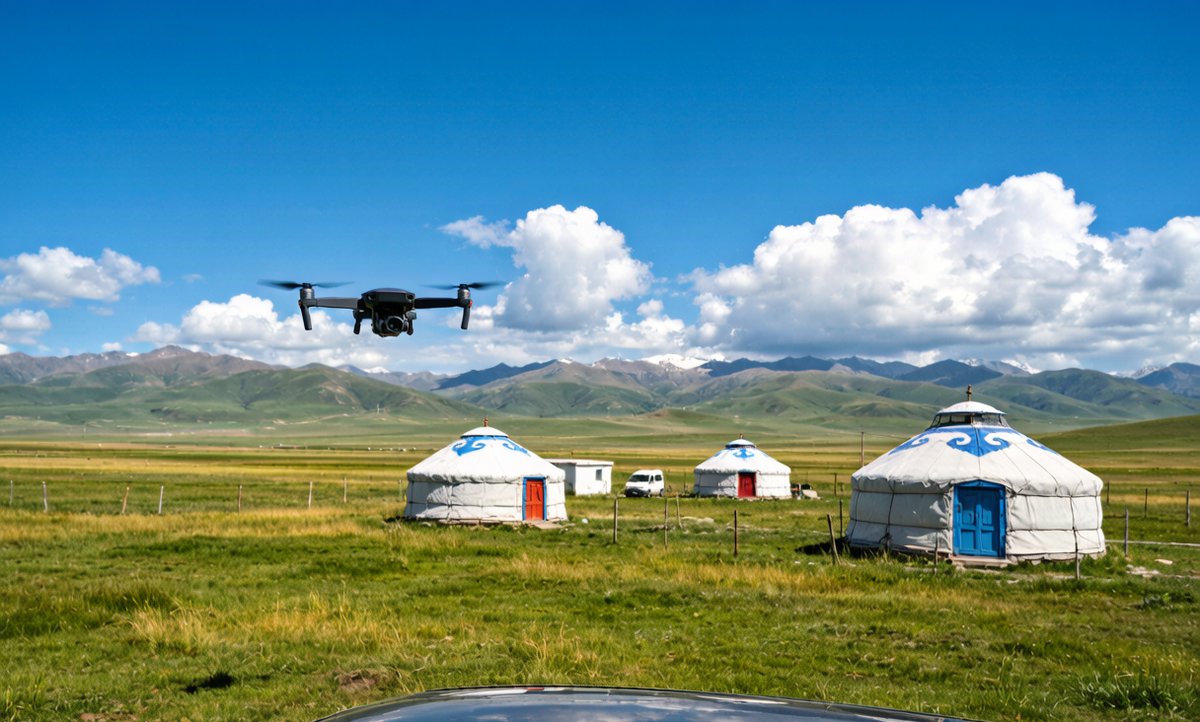
Xinjiang is a photographer’s dream – but a few rules about where and what you point the lens at will save you trouble.
From the turquoise lakes of the north to the high Pamir, Xinjiang rewards a camera at every turn. But some places are sensitive, drones are restricted, and a little etiquette goes far. This guide covers permits, drones, and respectful shooting.
Sensitive areas and checkpoints
Around military zones, border regions, and some infrastructure, photography is restricted – and the rules are stricter than in most tourist countries. The Pamir and the frontier areas near Kashgar are the main sensitive zones; follow signage and checkpoint instructions without argument. Bridges, ports, and certain transport hubs are also off-limits. When in doubt, ask a uniformed officer or simply do not shoot. The vast majority of scenic spots – lakes, grasslands, old towns – are perfectly fine to photograph; only specific security-sensitive sites are not. Knowing the difference keeps you out of avoidable trouble.
- Military and border zones are restricted
- Pamir and frontier near Kashgar are sensitive
- Follow signs and checkpoint instructions
- Most scenic spots are fine to shoot
Drones: the big one
Drone rules in Xinjiang are strict and change. In many scenic areas and all border regions, drones are banned or require advance permission that is hard to get. Flying near checkpoints, towns, or infrastructure can bring an immediate response. If you bring a drone, research the specific area, register it as required, and assume ‘no’ near frontiers and scenic-area cores. A good long lens and a pole often achieve the shot without the risk. Never fly over crowds or near the Pamir passes. The penalty for a careless flight is real, so treat drones as a permission-only item.
- Strict and changing drone rules
- Banned in many scenic areas + all borders
- Register if you bring one
- Assume ‘no’ near frontiers
Permits for people and places
You generally do not need a permit to photograph landscapes or public old towns. The permits that matter are the border permit for the Pamir (which controls where you can go at all) and any scenic-area photography fee some reserves charge for professional shoots. For people, a smile and a gesture asking first turns a potential problem into a friendly moment; many locals are happy to be photographed once asked. Religious sites often prefer no photos inside – respect that. The paperwork that gates your access is the border permit, not a camera licence.
- No permit for landscapes or old towns
- Border permit gates the Pamir
- Some reserves charge pro-shoot fees
- Ask before photographing people
Gear and technique
A polariser tames glare on lakes and snow. A tripod earns its weight at sunrise on the lakes and in the low light of the old town. Spare batteries matter in the cold Pamir. A telephoto brings the snow peaks closer without a drone. Shoot at blue hour and first light – the famous spots are busy by mid-morning. Protect gear from desert dust with a bag and a cloth. Most of the iconic Xinjiang shots are about timing and patience, not exotic equipment, so travel light and wake early.
- Polariser for lake and snow glare
- Tripod for sunrise and low light
- Spare batteries in the cold
- Telephoto instead of a drone
Etiquette that opens doors
Ask before photographing people, show the frame on your screen, and offer to send a copy – it builds goodwill fast. In the old town, a few minutes of chat before the camera often leads to an invitation inside. Never sneak shots of someone who declined. At checkpoints, lower the camera; the officers are doing a job, not a subject. Respectful shooting is why travellers keep being welcomed in Xinjiang’s communities. The best portraits come from trust, not stealth.
- Ask, show the frame, offer a copy
- Chat before the camera
- Lower the camera at checkpoints
- Trust beats stealth for portraits
Drones: the no-fly reality you must accept
The single biggest photography rule in Xinjiang is that recreational drones are effectively banned across most of the region, and ignoring it is the fastest way to lose your drone and face a fine. Sensitive areas – borders, military zones, airports, and many scenic areas – prohibit flight, and the enforcement is real, not theoretical. If you bring a drone at all, research each specific site’s status before launch and assume no unless you see an official permit process. For most travellers the better plan is a good mirrorless or phone with a wide lens and a small travel tripod; the landscapes are enormous and frame well from the ground. Always ask before photographing people, especially in the old towns and at checkpoints, where a smile and a gesture avoids any misunderstanding.
- Recreational drones are effectively banned
- Borders, airports, and many sites prohibit flight
- Assume no unless an official permit exists
- Ask before photographing people
| Zone | Rule |
|---|---|
| Lakes, grasslands, old towns | Usually fine |
| Pamir / border | Permit + no drone |
| Military / infrastructure | Do not shoot |
| People | Ask first |
Practical takeaways
- Assume ‘no drone’ near borders and scenic cores.
- Ask before photographing people; offer a copy.
- Shoot at blue hour and first light, not mid-morning.
- Carry spare batteries for the cold Pamir.
Frequently Asked Questions
- Do I need a permit to photograph landscapes?
- No – landscapes and public old towns are fine; the permit that matters is the Pamir border permit that controls access.
- Can I fly a drone?
- Rules are strict and change; assume no near borders and scenic-area cores, and research each area before bringing one.
- Is it OK to photograph people?
- Yes if you ask first and respect a decline; a smile and showing the frame builds trust.
- What gear earns its weight?
- A polariser, a tripod for low light, spare cold-weather batteries, and a telephoto instead of a drone.