

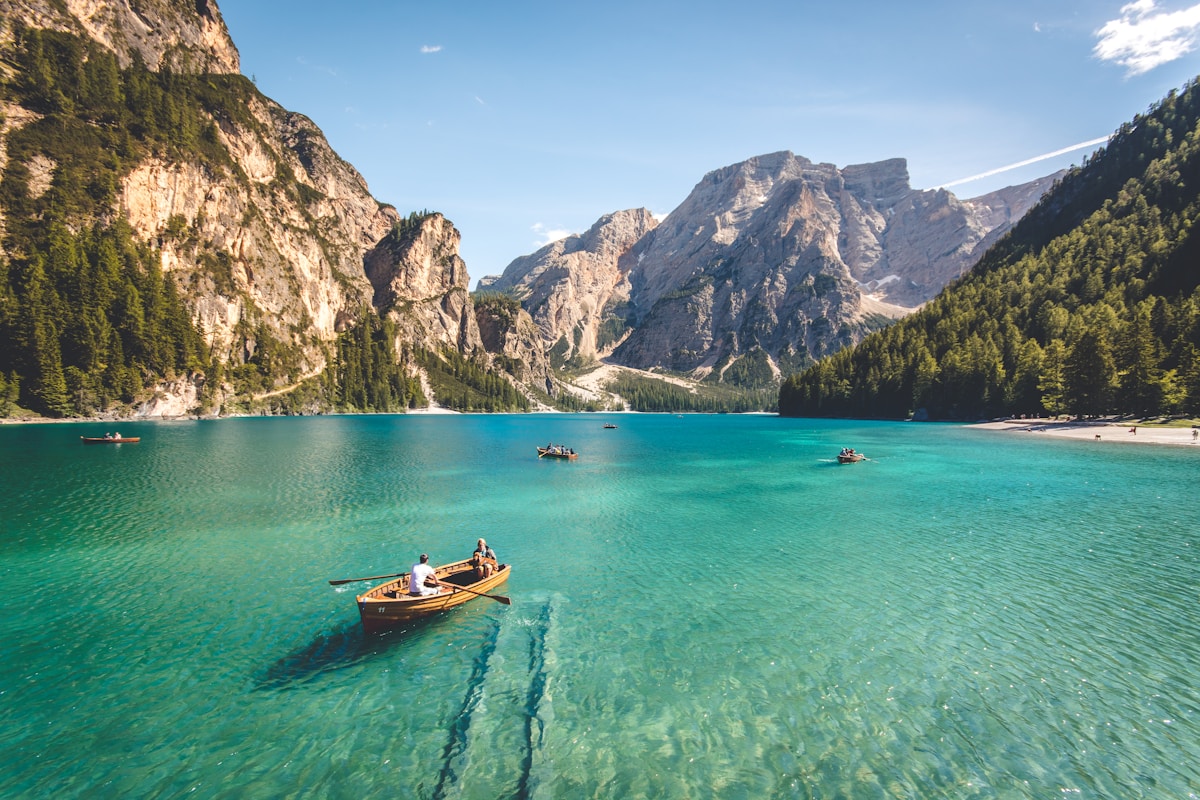
The scariest ten minutes of my Xinjiang driving were not on a mountain pass but on a flat highway north of the Tian Shan, when fog dropped visibility to a bus length in seconds.
Rain and fog are the quiet hazards of a Xinjiang self-drive, because most advice focuses on snow and sand while the wet low-visibility day catches drivers off guard. The region’s basins and river valleys fill with fog at dawn and after rain, and a sudden squall can wash the road in seconds, so the calm driver plans for it. This guide covers why fog gathers in the basins, how to read a rain cell before it hits, the light and speed discipline that keeps you on the road, the wet-brake and aquaplane risks, the Duku Highway and mountain passes in poor weather, and the permit and checkpoint rhythm that continues whatever the sky does.
Why fog gathers in the basins
Xinjiang’s lowland basins and river valleys cool fast at night, and when warm humid air from a lake or an irrigated field meets that cool air, fog forms and settles in the low ground where the road often runs. The Tarim and the Junggar basins, and the land around Sayram and Bosten, are classic fog zones, especially at dawn in the cool months. The danger is the speed of onset: a clear road can go grey in a minute, and the grey can hold until the sun burns it off late morning. Plan long basin drives to start after the fog lifts, or accept a slow dawn crawl with lights on. The fog is local, so a hill a few kilometers ahead may be clear, which tempts drivers to speed up and then re-enter the murk. Respect the grey, because the basin keeps it longer than you expect, and the car rental firm will note any scrape from a fog mistake.
- Basins and lake valleys cool and fog fast.
- Onset can be a minute; holds till late morning.
- Start after lift, or crawl with lights on.
Reading a rain cell before it hits
A summer rain cell in Xinjiang is often a single towering cloud that dumps hard and moves on, and you can usually see it building on the horizon an hour before it arrives. Watch the sky ahead, not the road alone, and if the far hills go dark and the wind picks up, slow before the first drops, because the first minute of a cell is the slickest. Pull off only if you must, and never stop on the lane or the shoulder blind; a lit rest area is safer. Road safety in rain starts with the decision made early, not the brake stamped late, so drop to a sane speed while the road is still dry. The cells are brief, often twenty minutes, and waiting one out at a service area beats fighting it at speed. Read the sky, and the rain becomes a pause, not a panic.
- See the cell build an hour ahead.
- Slow before the first drop, not after.
- Wait a cell out at a lit rest area.
Light and speed discipline in low visibility
In fog or heavy rain, turn on the low beams and the front fog light if the car has one, and resist the hazard lights except when nearly stopped, because flashing lights confuse more than they help at speed. Cut your speed to match the sightline, leave a long gap to the tail of the truck ahead, and use the painted edge line and the rumble strip to hold your lane when the center vanishes. Do not overtake in the murk; the vehicle you cannot see may be braking. The winter season brings the same low light with ice, so the habit you build in rain carries into the cold months. Keep the wipers on a steady beat and the defroster clear, because a fogged windscreen inside is as bad as the fog out. Calm, slow, and lit is the whole technique, and it works on every basin road in the region.
- Low beams; hazard lights only when stopped.
- Speed matches the sightline, big gap behind.
- Hold the edge line; never overtake in murk.
Wet brakes and the aquaplane risk
After a dry spell the first rain lifts oil off the road and makes it slick for minutes, and a hard puddle at speed can lift the tires off the surface, a condition called aquaplaning, where the steering goes light and the car drifts. If the wheel goes light, ease off the gas, do not brake, and let the tires regain grip before you steer. Test the brakes gently after a long wet stretch by tapping them to dry the pads, because wet brakes need a longer stop. The Duku Highway and the other mountain passes are worst, because a wet switchback has no run-off and a mistake is a cliff, so treat the first wet kilometer as a feel-out at walking pace. The risk is brief but real, and the cure is the same as the fog cure: slow, smooth, and patient until the road gives grip back.
- First rain lifts oil; slick for minutes.
- Aquaplane: ease off, do not brake.
- Tap brakes to dry pads after a wet stretch.
The Duku Highway and passes in poor weather
The Duku Highway is the headline mountain road of the region, and in rain or fog it demands full attention, because the pass sections sit above the tree line where cloud sits on the road and the switchbacks have no margin. In poor weather the park gates may close the high sections, and a sudden closure can leave you waiting at a checkpoint, so check the status in the valley before you commit to the climb. The same care applies to any pass road, and the local drivers slow to a crawl where the mist thickens. If the cloud is solid at the top, turn back or wait; the pass is not going anywhere, and a clear window always comes. The Duku is worth the drive in good weather, but the wise plan leaves the high road for the clear day and saves the basin for the grey one.
- Duku high sections may close in poor weather.
- Check gate status in the valley first.
- Wait for a clear window; the pass stays.
Permits and checkpoints continue in the wet
Rain and fog do not pause the administrative rhythm of the region, so carry the passport and the border permit as you would on a clear day, because the checkpoints still ask for them whatever the sky does. In the border counties near the Pamir the permit is checked at the hotel and at the gate, and a wet night is a poor time to discover the document is in the wrong bag. Keep the documents in the door pocket with the wipes, because a dry hand at the window is faster than a fumble in the rain. The driving license pairs with the passport for the rental, so the two travel together and stay dry. The weather changes the road, not the rules, and the driver who keeps both calm stays legal and safe through the squall.
- Checkpoints still ask for documents in rain.
- Border permit checked at hotel and gate.
- Keep passport and license dry in the door.
| Condition | Do | Avoid |
|---|---|---|
| Fog in basin | Lights, slow, edge line | Overtaking in murk |
| Sudden rain | Slow before drops | Hard braking |
| Wet pass | Walk pace, feel out | Trusting the dry line |
| After dry spell | Expect slick first rain | Assuming grip |
Practical takeaways
- Watch the sky ahead; slow before the first rain, not after.
- Use low beams and the edge line; never overtake in the murk.
- Tap the brakes after a long wet stretch to dry the pads.
- Keep passport and border permit dry and ready at the checkpoint.
Frequently Asked Questions
- When is fog worst in Xinjiang?
- At dawn in the cool months, in the lowland basins and around the big lakes, where it can hold until late morning.
- Should I use hazard lights in fog?
- Only when nearly stopped. At speed, low beams and a long gap do more than flashing lights, which confuse other drivers.
- What if the Duku closes in rain?
- Wait at the checkpoint or turn back; a clear window always comes. Do not push a closed high section.
- How do I handle aquaplaning?
- Ease off the gas, do not brake, and let the tires regain grip before you steer. Tap the brakes after to dry the pads.