

If you are planning a Xinjiang self-drive for 2026, the single most useful thing you can do before booking anything is understand the rhythm of the season. Xinjiang is enormous and high, and a large share of its most famous roads and scenic areas are closed for part of the year by snow. The difference between a trip in late May and one in early July can be the difference between a road being a snowbound myth and a glorious open highway. Here is the 2026 season at a glance — what typically opens when, what changed, and what to double-check before you go.
 }
}
The big seasonal roads
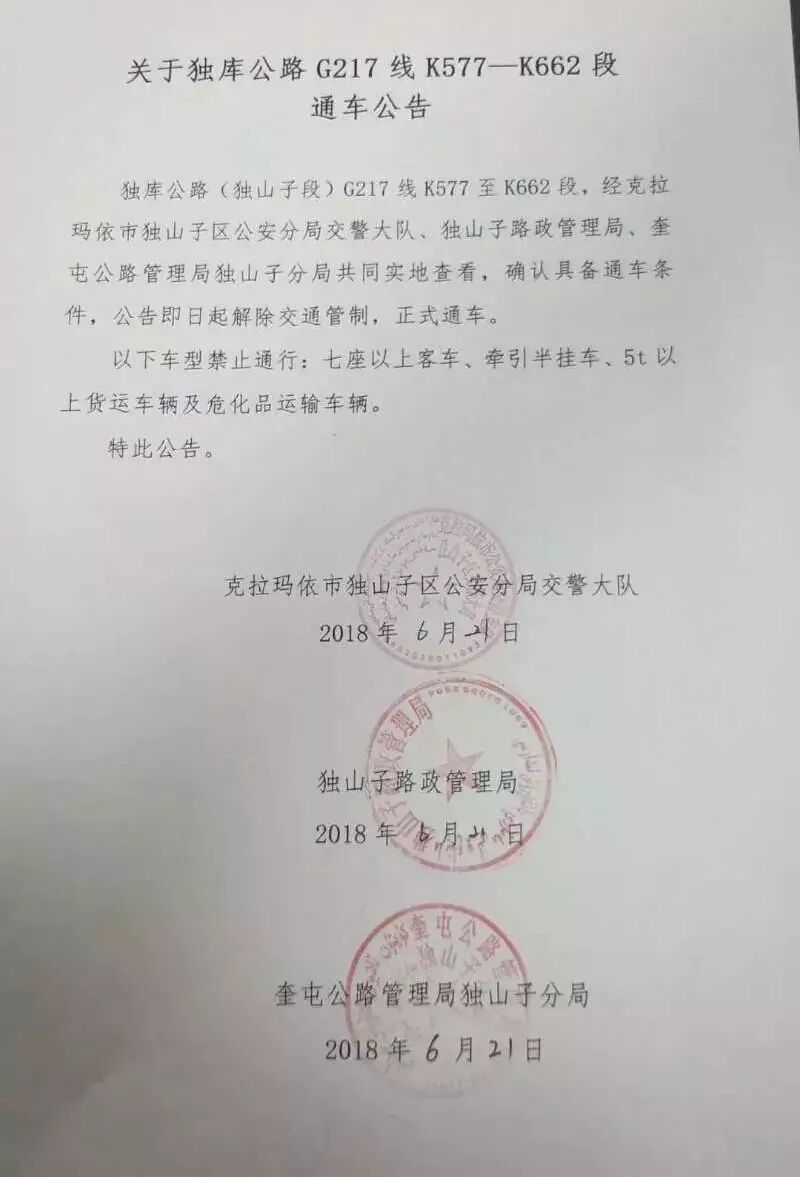
The Duku Highway (G217, Dushanzi–Tianshan–Kuqa) is the headline. It is closed by snow from roughly late October to late May or early June, and the exact opening date is announced each year (usually early June) once the snowpack on the Tianshan summit is cleared and the road is safe. In 2026, expect the same pattern: a late-May/early-June opening, a short closure window possible if late snow arrives, and closure again by late October. The day it opens, it is busy — plan to enter early or mid-week. Track the official Duku opening announcement before you commit.
The Karakoram Highway and the Pamir (Tashkurgan) generally run from spring through autumn. Snow at the Khunjerab and on the high passes can close sections into late April or May, and the Pamir can shut again with early winter snow from November. The sweet spot is June to early October.
Northern Altai roads (Kanas, Hemu, the Ahei Highway) open roughly late May and run to early October, with the famous golden birch period in late September to early October.
Scenic-area rules that changed (and keep changing)
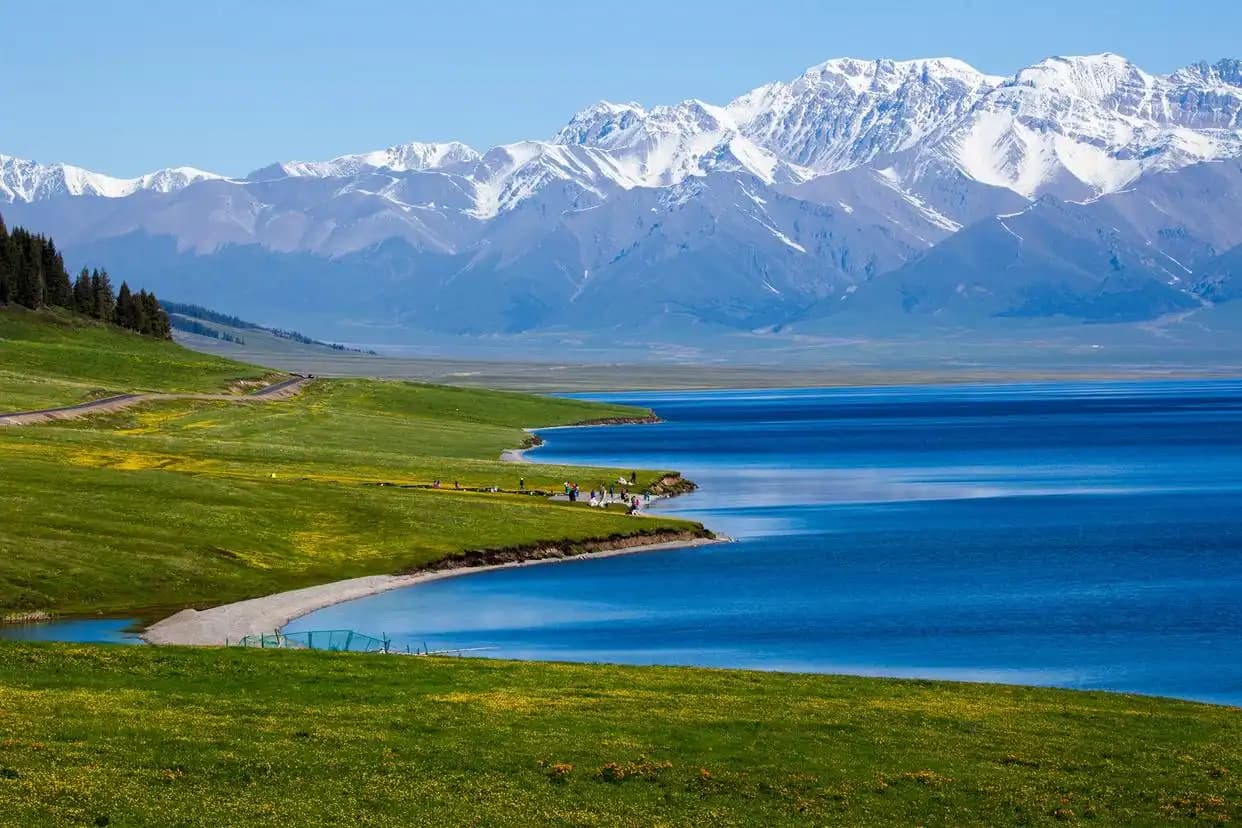
The biggest practical shift for self-drivers in recent years has been entry management at the major scenic areas — Kanas, Nalati, Sayram, and others. Several now require advance reservations during peak season, restrict private cars inside the core area (you park at a transfer lot and take the shuttle), and cap daily visitor numbers. In 2026, expect:
– Reservation systems at the busiest areas, especially July–October. Book your entry slot online before arrival.
– Shuttle-only cores at Kanas and some grasslands — your car gets you to the gate, not necessarily to the lake.
– Peak surcharges and timed entry on holiday weeks (National Day in early October is the worst; avoid it if you can).
None of this makes a trip impossible — it just means the old “roll up and drive in” approach no longer works at the headline sites in high season. Build buffer days and book ahead.
What is more traveller-friendly in 2026
- Better signage and payment on major roads; most fuel stations take mobile pay, though carry a card and some cash for remote ones.
- More overnight options near the Duku endpoints and around Sayram and Nalati, though peak-season booking is still essential weeks ahead.
- Improved mobile coverage along the main highways, though the deep Pamir and desert crossings remain patchy — offline maps remain mandatory.
The month-by-month shape
- April–May: Lowlands (Turpan, Ili foothills) open; high roads still closed. Great for fewer crowds.
- June: Duku and Pamir open; everything greens up. The start of prime season.
- July–August: Warm, busy, full access. Domestic holiday peaks (avoid early August and National Day week).
- September: The best month for most — golden Altai, clear Pamir, manageable crowds.
- October (to ~mid): Kanas/Hemu gold rush; then the high roads close.
- November–April: Only lowland routes; mountains largely shut.
What to confirm before you leave
Treat every date above as a typical pattern, not a guarantee. Before you fly, check:
1. The current Duku opening status (it is announced annually).
2. Reservation requirements for Kanas, Nalati, Sayram, and any other headline site on your route.
3. Pamir/border permit rules if Tashkurgan is on your plan (see the border pass guide).
4. Any weather closures — a late snow can close a pass for days even in a “open” month.
Holiday weeks to actively avoid
Two periods reliably jam the roads and the headline sites. The first is the National Day golden week in early October, when the whole country travels and Kanas, Sayram and Nalati can hit daily visitor caps, hotels near the parks triple in price, and the Duku develops queues at both ends. The second is the summer school-holiday peak from late July to mid-August, when domestic families flood the cool north. If your dates are flexible, shifting a trip by two weeks either side of these windows turns a crowded, expensive trip into a calm one. The autumn Kanas colour is worth an early-October visit, but only if you book the moment permits open.
Northern vs southern season differences
The north (Kanas, Hemu, Ili) runs cooler and closes earlier — its high roads and Altai access shut with the first snow, often by mid-to-late October. The south (Turpan, the Tarim Basin, Kashgar) stays drivable far longer; Turpan is even a winter-sun destination. This split is exactly why a “full Xinjiang” loop works best from June to September, while a southern-only trip can run into November. Plan your geography around the calendar rather than forcing the whole region into one tight window.
What a “closed” road really means
When a road like the Duku is “closed,” it is not a gate — it is snow and ice on a high Tianshan pass that no vehicle should cross. The closures protect you. The practical takeaway: never try to “beat” a seasonal closure; build your route around the roads that are open for your dates, and treat any reopening as a bonus to confirm on the ground. Locals and your guesthouse will know the current status faster than any website.
Build buffer days in
A final planning habit that pays off: leave slack in the schedule. A late snow can close a pass for days; a fully-booked scenic area can force a reroute; a festival crowd can eat a morning. Travelers who build one or two buffer days consistently report smoother trips than those who pack the plan to the hour. Xinjiang rewards a loose plan and a willingness to adapt.
FAQ
When does the Duku Highway open in 2026? Typically early June, announced officially once snow clearance is complete. Confirm the exact date before booking.
Are reservations required at Kanas and Nalati in 2026? Almost certainly during peak season (July–October). Book entry slots online ahead of arrival.
Can I drive my own car inside the scenic areas? Often no in the core zone — you park at a transfer lot and take shuttles. Rules vary by site and season.
Is October a good time? Early October is spectacular (autumn colour) but crowded and then closes; late October the high roads shut.
Do the opening dates change year to year? Yes, based on snow and road work. Always verify the current year’s status locally.
Final word
Xinjiang rewards planners. The 2026 season looks like every recent one — a glorious June-to-October window bracketed by snow — but the scenic-area reservation systems mean you can no longer wing the famous sites. Lock your dates around the Duku opening, book the headline areas in advance, and the rest is the easy, unforgettable part.
Written by Karl Huang, a Xinjiang-based travel writer. Opening dates and scenic-area rules shift year to year and with weather — confirm the current status with local authorities and official announcements before you travel.