

China’s highways are a quiet marvel — smooth, fast, and signposted in both Mandarin and (usually) Latin script. But they’re also camera-dense and strictly enforced, and a Xinjiang road trip involves a lot of highway. Understanding the tolls, speed limits, and rules before you set the GPS saves you money, points, and the particular nausea of an unexpected fine notification. Here’s the driver’s briefing.
Toll costs: budget roughly ¥0.4–0.5/km
Expressways in Xinjiang charge around ¥0.4–0.5 per kilometer for a standard car/SUV. For context:
- Urumqi → Kashgar (≈1,500 km): ~¥600–700 one-way.
- Urumqi → Sayram (≈540 km): ~¥220–270.
- Duku Highway: a separate scenic toll, typically ¥100–150 for the pass segment.
Tolls are paid at the exit (or electronically via ETC if your rental has it). Keep some cash in case the ETC lane isn’t available to foreign-plated/permit vehicles. The budget guide folds tolls into your total trip cost.
Speed limits: the number that matters
- Open expressway (G30/G3012): 100–120 km/h. The limit is posted; respect it.
- Near towns, bridges, and construction: drops to 80, sometimes 60. Watch for sudden drops.
- The Duku and mountain roads: 40–60 km/h on the curves; the Duku is about the views, not the speed.
- Urban areas: 40–60 km/h, strictly enforced.
Cameras: they’re everywhere, and they work
Fixed and mobile speed cameras line the corridors. Common traps:
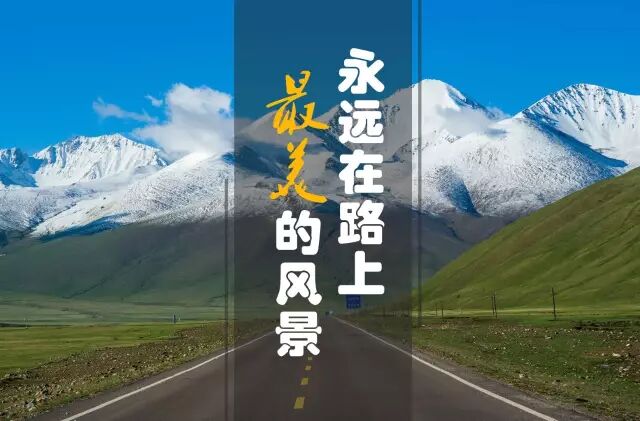
- Sudden limit drops before toll stations and town entries.
- Variable-message signs that lower limits in weather — they’re enforceable.
- Average-speed sections on some expressway stretches (your time between two points is used to compute speed).
The rule of thumb: if you’re the fastest thing on the road, you’re probably speeding. Cruise control helps you hold a legal, calm pace on the long hauls.
Lane discipline and etiquette
- Keep right except to pass. The left lane is for overtaking.
- Trucks dominate the right side on climbs; give them room and patience.
- Horns are used more freely than in the West, usually as a “I’m here” signal at blind curves. Don’t take it personally.
- Headlights on in tunnels and in low visibility — enforced.
Checkpoints and what to expect
Beyond the tolls, you’ll pass police checkpoints, especially heading south and toward borders. They’re routine: slow down, window down, passport (and temporary driving permit) ready, a quick scan, and you’re waved through. Our checkpoint guide covers the Pamir permit specifically. The safety guide has the broader picture.
Parking and the small stuff
- City parking is often app- or meter-based; lots near attractions fill early in peak season.
- Don’t block mosque entrances or market lanes — it’s a quick way to meet a traffic officer.
- Dashcams are common and useful; many rentals include one.
Foreign-license and permit notes
You cannot legally drive on a foreign license alone — you need the translated license plus a temporary permit (see the license guide). The permit is checked at the same checkpoints as your passport, so keep it handy with the vehicle docs.
A note on the mountain roads
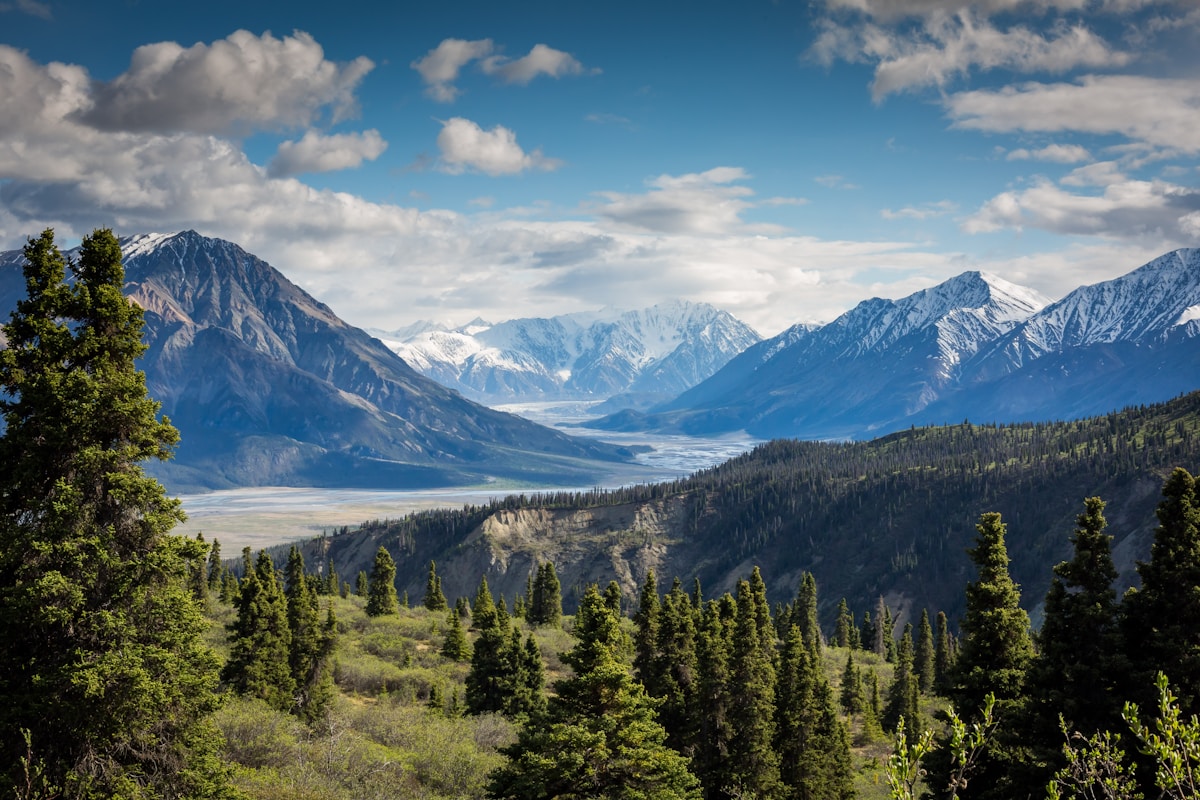
The Panlong Ancient Road and Duku are engineered marvels but demands respect: tight switchbacks, no guardrail in spots, and weather that flips in minutes. Drive them in daylight, sober, and unhurried. The photo stops are the point.
FAQ
Are tolls cashless? Mostly ETC, but cash lanes exist. Keep small cash as backup.
 Panlong Ancient Road” />
How strict are the cameras? Very. Even 10–15 km/h over can trigger a ticket on some sections.
Can I use cruise control? Yes, and it’s a great way to hold a legal speed on long flat legs.
What if I get a fine? Rental companies may charge your deposit; drive within limits to avoid it.
Final word
The highways are the easy part of a Xinjiang trip — fast, safe, and scenic. Learn the toll rhythm, hold the limit, and let cruise control handle the boring bits. The cameras are there to keep the road safe; respect them and they’ll never be more than background noise.
Written by Karl Huang, a Xinjiang-based travel writer. Toll rates and limits are set by authorities and change — verify current figures locally.