

If Khorgos is the glamorous western end of the G30, Alashankou is its quieter, grittier sister 200 km to the northwest — the other great China–Kazakhstan gateway in northern Xinjiang, and one of the windiest inhabited places in the country. Most travelers never plan a trip here, and that’s fair. But for anyone curious about the real mechanics of the modern Silk Road, Alashankou is worth understanding: a rail-and-road port where freight trains from Europe and China meet, and where the wind defines daily life.
This guide explains how to reach it, what you’ll see, and how it differs from Khorgos.
Where Alashankou is
Alashankou sits in the Bortala Mongol Autonomous Prefecture, in a narrow pass of the Junggar basin’s western edge, on the Kazakhstan border. It is primarily a railway port — a key node on the China–Europe freight corridor — with a road crossing alongside. It lies roughly 200 km northwest of Khorgos as the crow flies, reached via Bortala and the G3018 / G30 corridor.
The drive
From Yining or Bortala, the route runs northwest through open steppe and into the wind corridor. The road is paved and maintained; the challenge is not the surface but the weather.
- From Bortala: the most direct approach, ~50–70 km.
- Fuel: top off in Bortala or a larger town; services thin near the gate.
- Checkpoints: routine ID/passport checks approaching the border zone. Foreign travelers carry their temporary driving permit and passport.
- Signal: good near towns, weaker at the port.
Why it’s famous for wind
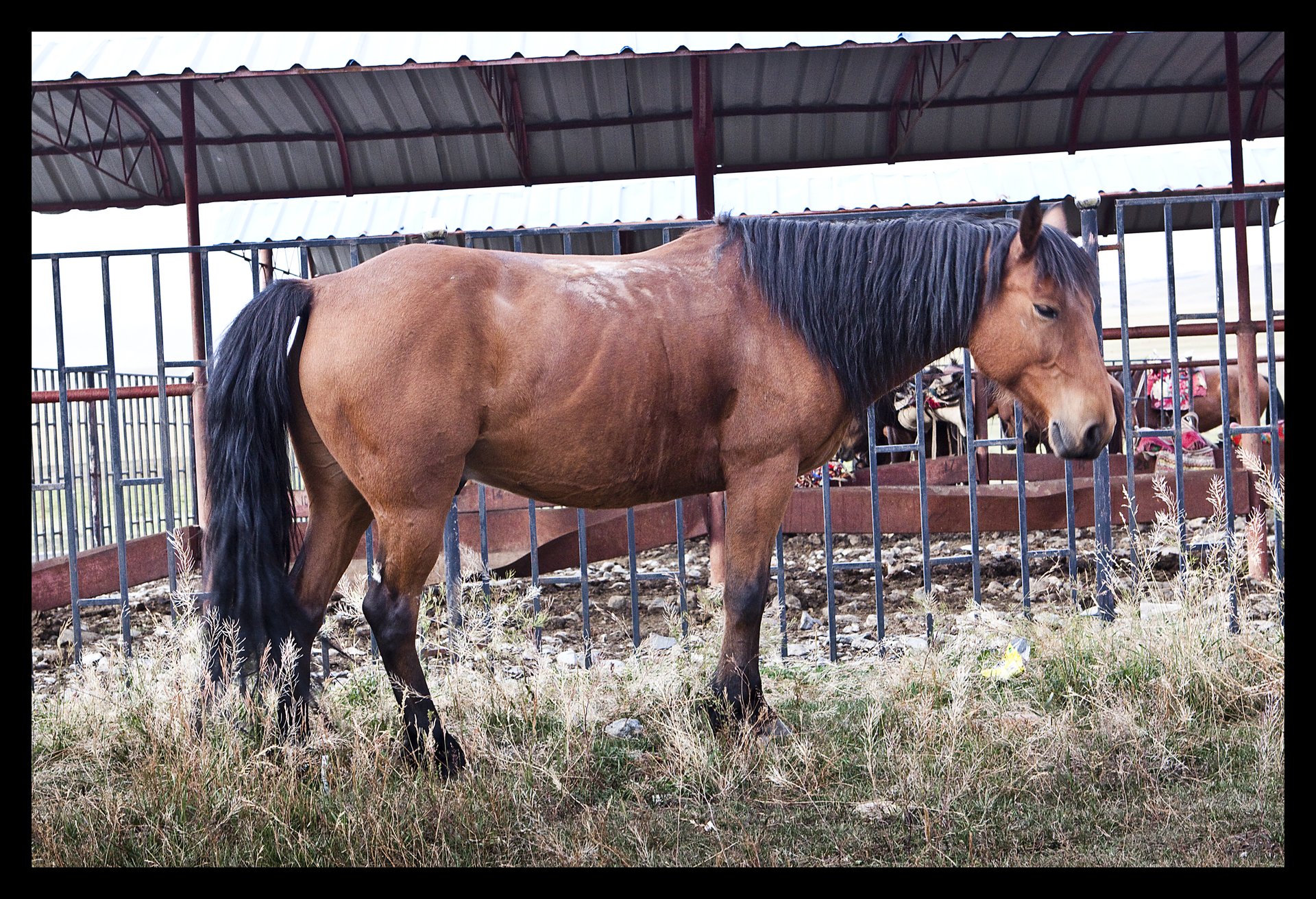
Alashankou sits in a funnel between mountain ranges that accelerates the prevailing westerlies into a near-constant gale. Locals speak of wind that can reach extreme speeds, and the town is built to withstand it — reinforced structures, windbreaks, and a culture that plans around gusts. For a self-driver, the practical takeaway is simple: check the forecast, secure loose loads, and don’t be surprised if a calm morning becomes a dust-blowing afternoon.
What you can and cannot do
Like Khorgos, Alashankou is a working border, not a walk-across attraction:
- You cannot casually self-drive into Kazakhstan here without full cross-border formalities (visa, customs, insurance) — covered in our cross-border self-drive guide.
- The town and approach are accessible as part of a Bortala/Ili circuit; no special restricted-permit is needed for the town itself, but expect checkpoints.
- Photography: restricted near gate structures and rail yards. Follow all signage.
Alashankou vs Khorgos
- Khorgos: the big road-trade city, tourist-friendly trade zone, easy half-day from Yining.
- Alashankou: rail-focused, windy, more industrial; interesting for the Silk Road mechanics than as a destination.
If your interest is “see a border gate,” Khorgos is the better stop. If it’s “understand the freight corridor that links China and Europe,” Alashankou is the honest answer.
FAQ
Can I drive into Kazakhstan at Alashankou? Not without full cross-border formalities. See our cross-border guide.
Is Alashankou worth visiting? Mostly for travelers interested in border logistics and the rail corridor; it’s not a scenic destination like the passes.
How windy is it, really? Very — it’s one of China’s windiest spots. Check forecasts and secure your load.
Do I need a permit? No restricted permit for the town, but routine checkpoints apply.
Best season? Summer is calmer wind-wise and more comfortable; the best time for a Xinjiang road trip covers the broader window.
Final word
Alashankou won’t top anyone’s “most beautiful road” list, but it tells a true story of modern Xinjiang — the wind-scoured gateway where the new Silk Road runs on steel rails. Stop if you’re curious; skip if you came for the views.
Written by Karl Huang, a Xinjiang-based travel writer. Border-crossing rules change — confirm with authorities before any crossing attempt.