

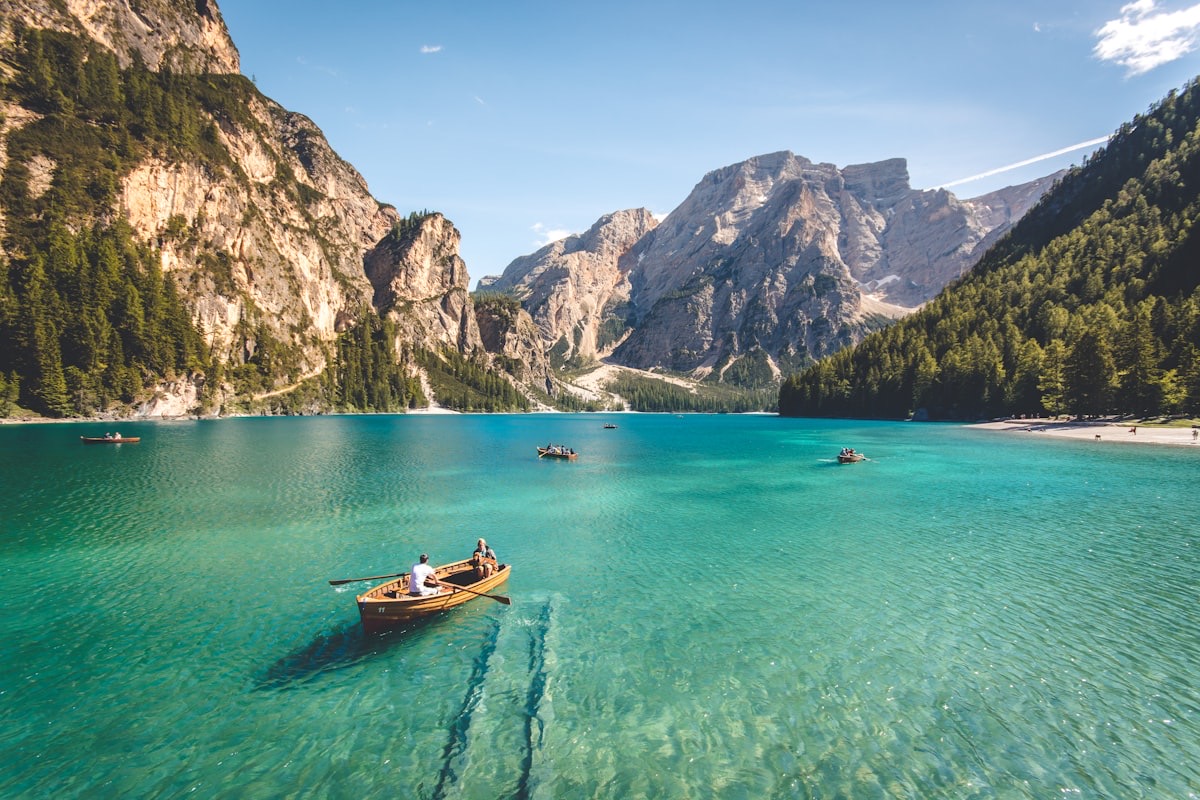
Xinjiang is, frankly, ridiculous for a photographer. In a single two-week loop you can shoot turquoise alpine lakes, red canyons, snow peaks, birch forests, desert dunes, and some of the darkest night skies on the planet. I have lost count of the times I pulled over on the Duku just to frame one more switchback. This guide covers what actually matters when you are shooting from a moving base: gear that survives the dust and cold, the light worth chasing, and the signature images to plan around.
 }
}
Gear that earns its place
You do not need a pro body, but you do need to travel smart:
– One versatile zoom (24–70mm or 24–105mm equivalent) covers 80% of shots. Add a wide prime or ultra-wide (16mm or wider) for the dunes, canyons, and Milky Way.
– A lightweight travel tripod — non-negotiable for blue hour, reflections, and astrophotography. The wind on the Pamir will test a flimsy one.
– Spare batteries (2–3): cold drains them fast at altitude. Keep one in an inside pocket.
– Microfiber cloths and a rocket blower: dust is constant. Clean the front element often and the sensor if you swap lenses in the wind.
– A padded insert for your daypack so the camera survives the inevitable bumpy pass.
The light to chase
Xinjiang’s scale means light does the heavy lifting. Golden hour (the first hour after sunrise, last before sunset) is when the mountains and dunes turn gold. Blue hour — the 20 minutes after sunset — is magic on lakes and towns. For the famous mist on Kanas and Hemu rivers, you need to be positioned before dawn; the fog lifts with the sun and the window is short. Overcast days are not wasted: soft light is ideal for the Sayram Lake shoreline and for forest detail.
 Muztagh Ata” />
The signature shots
- Kanas mist: the river bends below the village at first light — the postcard frame. Be there by 6 a.m. in autumn.
- Duku switchbacks: pull-outs on the ascent show the road hairpinning down the Tianshan; shoot wide and low.
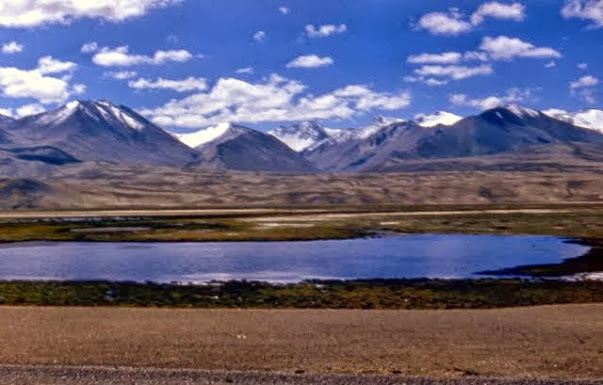
- Karakul Lake & Muztagh Ata: a windless dawn gives a perfect mirrored reflection of the snow peak. Worth the early start from Tashkurgan.
- Flaming Mountains: late afternoon, when the red strata glow and the heat shimmer adds drama.
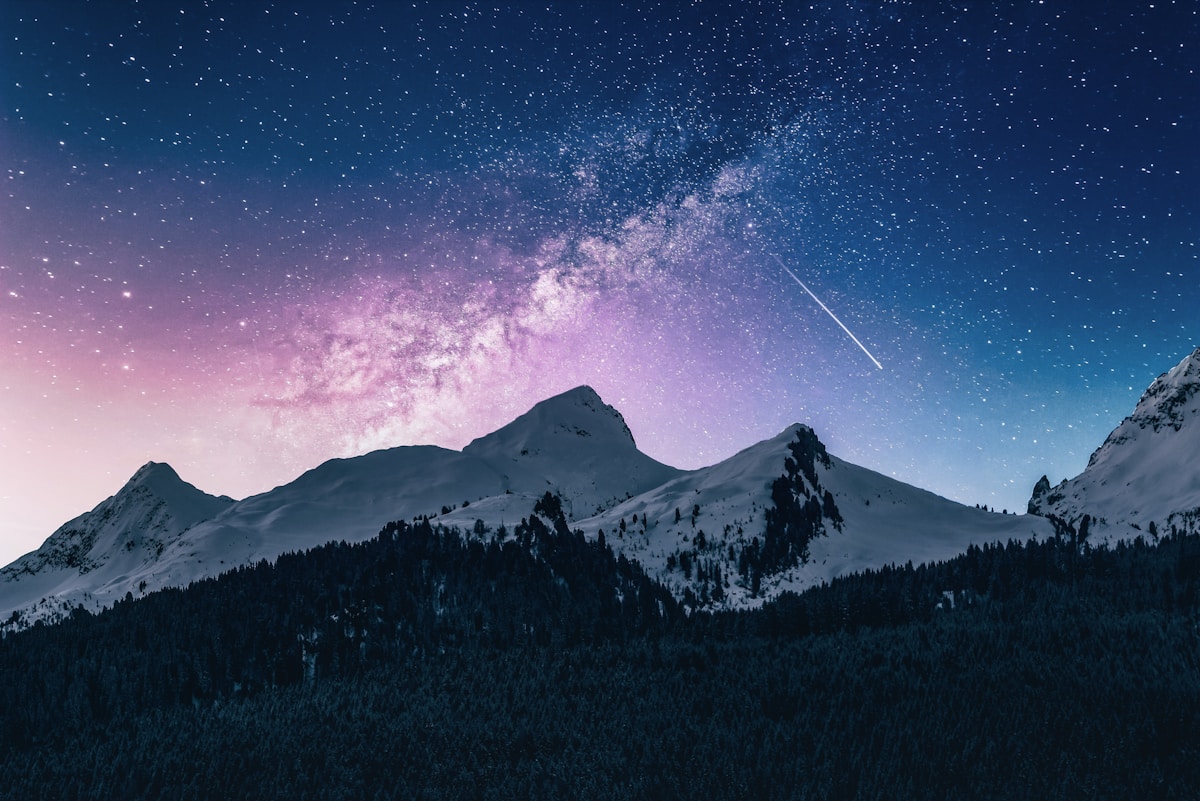
- Pamir stars: the darkest skies in China. A widening crescent moon or new moon, a sturdy tripod, and a 15–25s exposure at high ISO captures the Milky Way over 4,000m.
Seasonal targets
- Spring (Apr–May): apricot blossom, greening grasslands, few crowds.
- Summer (Jun–Aug): lavender (Ili), lush pastures, long days — but haze can soften distant peaks.
- Autumn (Sep–Oct): the peak. Golden birch at Kanas/Hemu, crisp air, dramatic light. Book lodging early.
- Winter: frozen lakes, snow mountains, and empty scenes — beautiful but brutally cold for gear and hands.
Practical habits
- Shoot RAW for the dynamic range Xinjiang’s light demands.
- Protect from dust when changing lenses — do it in the car with the blower handy.
- Watch the strap in wind; a swinging camera is a broken camera.
- Buffer your cards: you will shoot far more than expected. Carry two 64GB+ cards.
- Charge nightly: motels often have USB; a small power bank keeps you independent.
FAQ
Do I need a drone? Optional. Drones give stunning aerials but are restricted near borders, scenic areas, and airports — check locally and respect no-fly zones.
Best single lens for a road trip? A 24–105mm equivalent. It handles landscapes, villages, and details without constant swaps.
When is the Milky Way visible? Roughly spring through autumn on clear, moonless nights; the Pamir and Sayram are premier dark-sky spots.
How do I protect gear from dust? Keep it in a sealed bag between shots, clean the front element often, and avoid lens changes in the open wind.
Is autumn really worth the crowds? For photography, yes — the colour and light are unmatched. Just book early and shoot at first light to beat the buses.
Final word
Xinjiang will test your gear and your alarm clock, but it repays every early start with a frame you cannot get anywhere else. Travel light, shoot RAW, chase the dawn, and let the scale of the place do the rest.
Written by Karl Huang, a Xinjiang-based travel writer and photographer. Drone and camera rules at scenic areas and borders change — confirm current restrictions with local authorities before you shoot.