

Half the joy of a Xinjiang road trip is the food. The cuisine sits at the crossroads of Central Asia and China’s northwest — lamb cooked over coals, hand-pulled noodles, bread from domed ovens, and fruit so sweet it redefines the word. After countless roadside stops, here is the practical eat-your-way-through guide: the dishes to know, where to find them, and how to do it safely and cheaply.
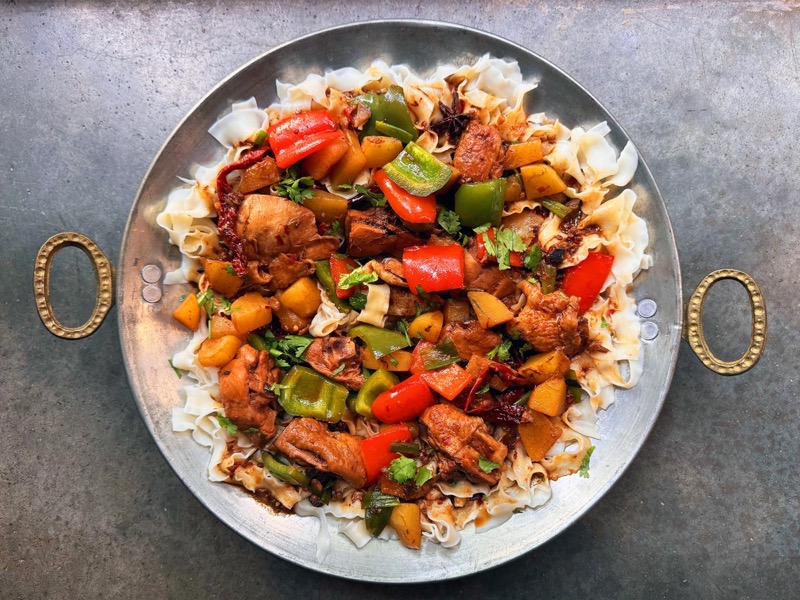 Big plate chicken, a Xinjiang road-trip staple” />}
The staples you will love
- Dapanji (big plate chicken): chicken, potatoes, and wide belt noodles in a spiced tomato gravy. The recovery meal after a long Duku day. Found everywhere; the best versions are in small Uyghur joints.
- Kawaplar (kebabs): lamb skewed and charcoal-grilled with cumin and chilli. A few yuan a stick, eaten standing by the grill.
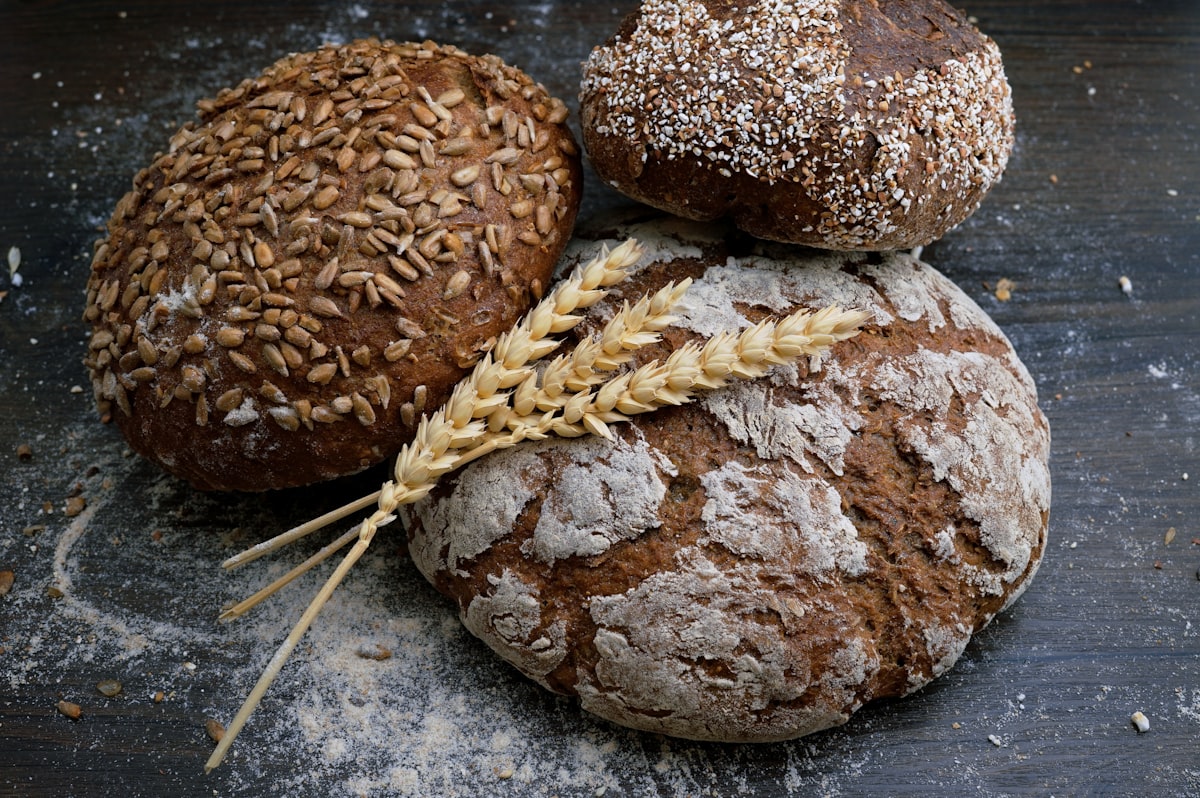
- Nan: the round, sesame-flecked flatbread from a tandoor-like oven. Buy it warm at any market; it keeps for days in the car.
- Polo (pilaf): rice with carrot, lamb, and raisins — filling and cheap.
- Laghman: hand-pulled noodles in a meat-and-vegetable sauce. Comfort in a bowl after a desert drive.
- Samsa: meat- or pumpkin-filled pastries baked in the oven wall. The roadside snack.
- Whole lamb / tailor: for groups, a slow-roasted lamb is a feast — order ahead at a restaurant.
The fruit is the dessert
Xinjiang’s climate — big day-night temperature swings and intense sun — makes the fruit exceptional. Hami melons, Turpan grapes, Korla pears, and Ili apples are seasonal highlights. In summer, roadside stalls sell melons by the slice; in August, the Turpan Grape Valley is the place to taste dozens of varieties. Buy fruit at the source and your car will smell amazing for days.
Where to eat on route
- Urumqi: the international bazaar area has everything from noodles to BBQ; a good first night to load up on snacks.
- Turpan: oasis restaurants serving grapes, cold noodles, and lamb; eat early to beat the heat.
- Kashgar: the old town and its night market are the culinary high point — kebabs, nan, polo, and the famous Sunday livestock-and-food bazaar. See the Kashgar old town guide for context.
- Ili (Yining): lavender honey, dairy, and cold dishes; a lighter, greener palate.
- Small towns: look for the busiest grill and the fullest nan oven — locals are the best reviewers.

Staying safe and sane
- Water: drink bottled or boiled water; the tap is not for drinking. Keep a few litres in the car.
- Hygiene: busy stalls with high turnover are safer than quiet ones. Peel fruit yourself.
- Spice: Xinjiang food is flavourful, not usually numbingly hot; ask for “less chilli” if you prefer.
- Cash + mobile pay: both work; remote stops may prefer cash.
- Dietary needs: vegetarian options exist (nan, polo without meat, noodles, veg dishes) but lamb dominates — communicate clearly.
Budgeting for food
Eating well is cheap. A kebab-and-nan meal runs a few dozen yuan; a dapanji for two with noodles is modest; even a sit-down lamb feast for a group is reasonable per head. Budget roughly 80–150 yuan per person per day for good road food, more in tourist restaurants. The road trip budget guide covers the wider picture.
FAQ
Is Xinjiang food very spicy? Flavourful with cumin and mild chilli, not usually mouth-numbing. Ask for less spice if needed.
Can vegetarians eat well? Yes — nan, vegetable polo, laghman (veg sauce), salads, and fruit. Pure veg restaurants are rare but dishes are adaptable.
Is street food safe? Generally yes if busy and fresh. Peel fruit, drink bottled water, and trust the crowded stall.
What should I always carry in the car? Nan, water, and some fruit — they double as both snacks and emergency food on long desert legs.
When is fruit best? Summer through autumn: melons and grapes peak June–September, apples and pears into October.
Final word
Plan the drives for the landscapes, but let the food be the daily reward. Pull over for the grill that smells right, buy nan warm from the oven, and eat the fruit at the source — a Xinjiang road trip tastes as good as it looks.
Written by Karl Huang, a Xinjiang-based travel writer. Food safety and availability vary by season and region — when in doubt, choose busy, high-turnover stalls.