

I still remember the moment the red earth opened up. After days of grey highway heading north from Urumqi, I rounded a bend near Dushanzi and the ground simply fell away into a vast, rust-colored gorge carved by the Kuitun River — a canyon so stark it looked painted. The Dushanzi Grand Canyon (独山子大峡谷) is the dramatic overture to the Duku Highway: most people blast past it on their way to the famous mountain road, but the canyon itself deserves a slow stop.
This is where the Tianshan begins to drop toward the Junggar Basin, and the exposed sediment layers tell a geological story millions of years in the making. For a self-driver, it’s the perfect first breath of “wow” before the Duku climbs into the snow.
 }
}
What you’re actually looking at
The canyon is cut by the Kuitun River (奎屯河) into the alluvial fans of the northern Tianshan. The walls are a stacked cake of red, orange and tan sedimentary rock — mudstone and conglomerate laid down over eons, then sliced open by water and wind. In places the erosion has shaped strange pillars and hoodoos locals call the “Devil’s Ear” (魔鬼耳) formations, though names vary and you won’t find them all signposted.
What I love is the scale. The gorge runs for many kilometers, with walls dropping perhaps 100–200 meters to the river below. Stand at the rim and the silence is total except for the wind — a complete contrast to the traffic you just left on the G30.
How the canyon formed
The story is older than the mountains look. As the Tianshan rose, the Kuitun and its tributaries cut downward through the soft alluvial fans shed off the range’s northern flank. Because the climate here is dry, the exposed strata haven’t been smoothed by dense vegetation; instead wind and rare flash floods have carved them into the banded, terraced walls you see today. The different colors are simply different layers of sediment — coarser gravels at one level, finer muds at another — each a record of a wetter or drier epoch. It’s a textbook section of continental sedimentation, and you don’t need a geology degree to read it: just look at the stripes.
How to get there
Dushanzi is one of the most accessible canyon stops in Xinjiang.
- From Urumqi: about 250 km, roughly 2.5–3 hours via the G30 (Lianhuo) Expressway to Dushanzi, then ~30 km south to the canyon rim.
- From Karamay: about 100 km southeast, around 1.5 hours on the G3014/G30.
- From the Duku start: the canyon sits right at the northern trailhead of the Duku Highway, so you pass it whether you plan to or not.
The roads are fully paved and signed; a regular sedan has no trouble reaching the large paved parking lot at the entrance.
Visiting the developed scenic area
Unlike some Xinjiang canyons, Dushanzi is a proper ticketed attraction with infrastructure. The main rim has:
– A glass skywalk (玻璃栈道) extending over the void — not for the faint of heart, but the views are spectacular.
– A glass-bottom viewing platform and a suspended walkway.
– Optional extras that have included zip lines and a “step-on-the-air” plank; availability changes year to year.
– Shuttle access from the parking lot to the rim.
Practical facts
- Location: ~30 km south of Dushanzi district (part of Karamay city), right by the northern start of the Duku Highway. About 250 km from Urumqi via the G30.
- Tickets: roughly ¥30–¥40 for entry; the glass walkway and rides are often extra (¥50–¥100 bundled, depending on season). Confirm at the gate.
- Hours: about 09:00–20:00 in summer; shorter off-season.
- Time needed: 1.5–2.5 hours if you do the walks and rides.
- Parking: large paved lot at the entrance.
The rim is fenced in the developed sections, which makes it safe for families — a relief given how many Xinjiang overlooks have unfenced edges.
The rides and platforms
If you want the adrenaline, the glass skywalk is the headline. It juts out over the gorge on a transparent floor, and on a clear day you can see straight down the strata to the river. The zip line (when running) carries you out over the void and back — a few seconds of pure exposure that kids and brave adults love. None of it is technically difficult, but all of it is weather-dependent. I’d budget the entry fee first and treat the rides as a bonus rather than the reason to come.
Best time and light
The canyon is a year-round destination, but it has moods:
– June–September: the classic window, warm and open, matching the best time for a Xinjiang road trip. Late afternoon light turns the red walls incandescent.
– Spring (April–May): windy but clear; fewer crowds.
– Autumn (late Sept–Oct): crisp air, golden light, and you can still catch the Duku before it closes (usually early October, sometimes later).
– Winter: the Duku is closed, but the canyon rim stays open on clear days and the snow-dusted red rock is striking — dress warmly, it’s exposed.
For photography, aim for the last two hours before sunset. The low sun rakes across the strata and the whole gorge glows. Morning is good too, but midday flattens the color.
What to bring
Even at a developed site, the rim is exposed:
– A windproof layer — the gorge funnels strong gusts any season.
– Water and a sun hat in summer.
– Closed shoes with grip for the glass and metal walkways.
– A wide lens for the panorama; a telephoto for the hoodoo detail across the chasm.
Dushanzi town: fuel, food, and a break
The town of Dushanzi (part of Karamay) is the logical refuel-and-refresh point before or after the canyon. It’s an oil-industry city, so expect decent mid-range hotels, plenty of fuel stations, and a solid spread of Xinjiang and Chinese eateries — hand-pulled laghman noodles, grilled lamb, and cold beer all easy to find. I usually grab lunch here between the canyon and the Duku climb, since once you’re on the mountain road services thin out fast. Fill the tank in Dushanzi; the next reliable fuel is hours south at places like Toksun or Korla depending on your route.
Combining with the Duku Highway
This is the key reason most travelers stop. The canyon sits right at the Duku’s northern trailhead, so the natural plan is:
1. Drive up from Urumqi (about 2.5–3 hours on the G30).
2. Spend late morning at the canyon.
3. Grab lunch in Dushanzi town.
4. Start the Duku Highway self-drive guide climb in the early afternoon, overnighting in Nalati or Bayinbuluke.
That sequence lets you bank the canyon before the Duku’s own wonders compete for your attention. If you’re continuing south, the canyon is also a natural warm-up for the twisting Tianshan Panlong Road guide further along the route.
A note on expectations
Dushanzi Grand Canyon is commercial and a little thrill-park in feel — glass platforms, rides, music at the rim. If you want raw wilderness, this isn’t it. But as a family-friendly, easy-access spectacle at the gateway to one of Asia’s greatest drives, it’s hard to beat. The infrastructure also means bathrooms, food stalls and reliable parking, which are genuinely welcome after remote stretches.
One caveat: the glass walkway and rides are weather-dependent. High wind or ice closes them, so don’t build your whole plan around a specific ride.
FAQ
How far is Dushanzi Grand Canyon from Urumqi? About 250 km, roughly 2.5–3 hours via the G30 expressway to Dushanzi, then ~30 km south to the canyon.
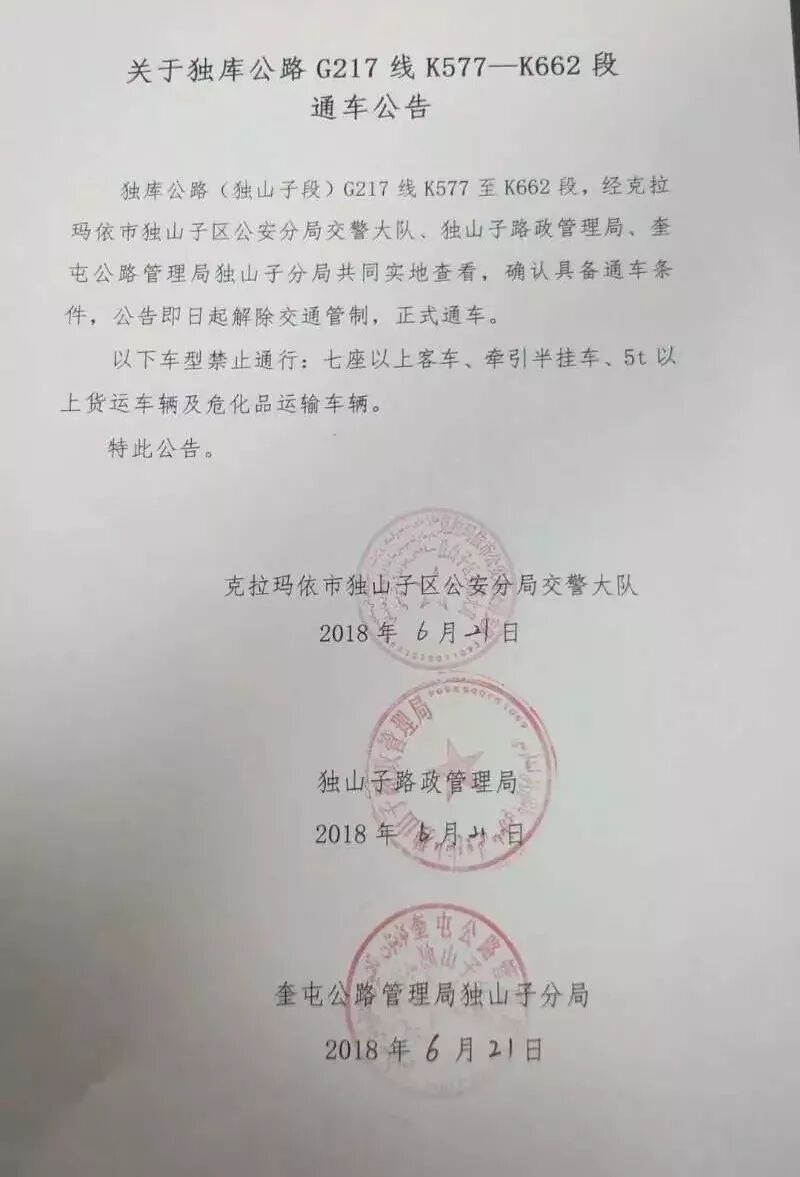
Do I need a separate ticket from the Duku Highway? Yes — the canyon is a standalone paid scenic area; the Duku Highway itself is a free public road (seasonal, no toll for the mountain section).
Is the glass walkway safe? It’s engineered and fenced, with attendants; millions walk it yearly. If you’re acrophobic, skip it — the rim viewpoints are plenty.
Can I visit in winter? The canyon rim usually stays open on clear days, but the Duku Highway is closed (roughly November–May). Check conditions before driving south.
How long should I budget? 1.5–2.5 hours including the walks and any rides; longer if you’re photographing the sunset.
Is it worth it if I’m short on time? If you’re doing the Duku anyway, yes — it’s right there and needs no detour. If you’re not passing Dushanzi, it’s a longer commitment.
Final word
Dushanzi Grand Canyon is the red-earth prologue to the Duku — easy, dramatic, and a perfect place to stretch your legs before the big climb into the Tianshan.
Written by Karl Huang, a Xinjiang-based travel writer. The Duku Highway’s seasonal opening and the canyon’s ride availability change year to year — confirm both with local authorities before you travel.