

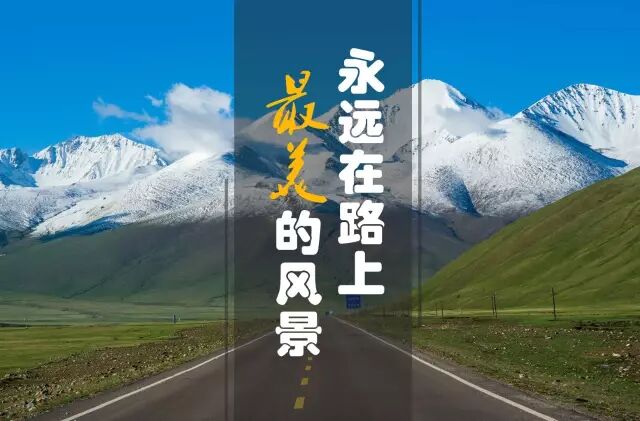
Women travel Xinjiang solo all the time – and with a few habits, it is one of the safest solo drives in the region.
Solo female travellers ask the same questions everywhere: is it safe, where do I sleep, will I be hassled? In Xinjiang the answers are mostly reassuring, with a few local notes. This guide collects practical, no-nonsense advice from women who have driven the route alone.
Safety on the road
Xinjiang’s cities and oasis towns are calm and low-crime, and solo women drivers are a normal sight. The main risks are the same as anywhere: tired driving and remote breakdowns, not personal safety. Keep your car doors locked in town traffic, park in lit, hotel lots at night, and trust your instinct about a guesthouse. Checkpoints are routine and polite – have your passport ready and stay calm. The region’s tight-knit communities and constant patrols actually make solo travel feel secure. Common sense, not fear, is the right frame.
- Calm, low-crime towns
- Lock doors, park in lit lots
- Checkpoints are routine and polite
- Common sense over fear
Where to stay
International hotels and well-reviewed old-town guesthouses are both safe and comfortable. Read recent reviews for cleanliness and whether solo women felt welcome. Family inns are generally lovely but sometimes share bathrooms – pick what you prefer. In smaller towns, a hotel attached to a known chain is the easy safe choice. Book the famous spots (Kanas, Hemu) ahead. Tell the front desk your plate number so they watch the car. A good night’s sleep starts with a place you trust, so spend the extra few yuan in remote areas.
- International hotels or reviewed guesthouses
- Family inns: check bathroom type
- Chain hotels in small towns
- Tell desk your plate number
Culture and dress
The local culture is conservative and Muslim, so modest dress – covering shoulders and knees, a scarf for mosques – earns respect and eases entry to religious sites. You do not need to cover your hair. Accepting tea and a smile goes far; refusing photos of people is fine if you do it gently. At family inns, the same modesty reads as polite. Dress is practical, not oppressive – light, loose clothes beat revealing ones in the heat and the culture alike. Respect is reciprocal and makes solo travel smoother.
- Modest dress, scarf for mosques
- No need to cover hair
- Accept tea, decline photos gently
- Loose light clothes for heat + culture
Food and social
Eating alone is easy: night markets, hotel restaurants, and teahouses are welcoming, and halal food is universal. A shared table at a family inn is also fine if you prefer your own space; most hosts are respectful and pleased to see a solo guest. Teahouses are a lovely low-pressure way to sit among local life without ordering much. Trust your gut about any situation, as anywhere – but harassment is rare, and a confident, friendly manner deters most awkwardness. Solo dining in Xinjiang is genuinely easy and often a highlight.
Where solo women feel most at ease
Xinjiang is, for the most part, an easy and welcoming place to travel alone as a woman. The areas with the most tourist infrastructure – Urumqi, Turpan, Kashgar‘s old town, and the northern lake resorts – have constant foot traffic, hotel staff used to solo guests, and the informal safety of being around other travellers. Family-run inns and courtyard guesthouses are generally more comfortable for a woman alone than a large anonymous hotel, because the hosts are literally next door. The moments to be more deliberate are the remote desert stretches and high passes, where you simply plan fuel, daylight, and a booked bed so you are never stranded after dark. Locals are curious but rarely intrusive, and a calm, confident manner opens more doors than any special precaution.
- Tourist hubs have steady foot traffic
- Courtyard inns put hosts next door
- Plan fuel and daylight on remote stretches
- Confidence opens more doors than caution
Small habits that lower the stress
A few habits remove most of the friction of solo driving here. Share your daily route and tonight’s hotel with someone back home, and send a quick message when you arrive – the patchy mountain signal makes this a habit, not a chore. Park in lit, staffed lots and choose hotels with a real front desk rather than remote rentals. Learn three phrases – hello, thank you, and how much – and a translation app covers the rest; the effort alone shifts interactions from suspicious to warm. Dress modestly in the old towns and religious sites, which reads as respect and earns easier treatment. None of this is about fear; it is the same situational awareness you would use on any long solo drive, tuned to the local rhythm.
- Share your route and check in on arrival
- Park in lit lots; pick staffed hotels
- Three phrases plus a translation app
- Modest dress reads as respect
| Topic | Takeaway |
|---|---|
| Safety | Calm, low-crime; use common sense |
| Stay | Reviewed guesthouses or chain hotels |
| Dress | Modest; scarf for mosques |
| Social | Teahouses + night markets welcome |
Practical takeaways
- Park in lit hotel lots and tell the desk your plate number.
- Dress modestly; carry a scarf for mosques.
- Download offline maps and keep cash for stalls.
- Trust your gut; harassment is rare, support is close.
Frequently Asked Questions
- Is Xinjiang safe for solo women?
- Yes – cities and oasis towns are calm and low-crime, and solo women drivers are a normal sight; use ordinary precautions.
- Where should I sleep?
- International hotels or well-reviewed old-town guesthouses; in small towns a known chain is the easy safe choice.
- How should I dress?
- Modestly – shoulders and knees covered, a scarf for mosques. You do not need to cover your hair.
- Will I be hassled?
- Rarely; a confident, friendly manner and trusting your instinct handle most situations, as anywhere.