
Turpan Grape Valley & the Melon Heart of Xinjiang
Turpan Grape Valley — shaded vineyards, the sweetest table grapes, and the oasis that defies the desert. How to visit, what to eat, and the karez irrigation story.
The Kashgar-to-Pamir drive to Tashkurgan and Karakul Lake — permits, the Karakoram Highway, Muztagh Ata views, and the high, quiet world at China’s western edge.
Muztagh Ata, the ‘Father of Ice Mountains,’ and the Karakoram range on the Kashgar–Pamir road. Where to view them, the climbing lore, and how to plan the high-mountain stop.
Koktokay (Keketuohai) National Geopark — granite peaks, the Irtysh River gorge, and gem-mining country in the Altai. How to visit, when, and why it’s worth the detour.
The Kashgar Sunday Bazaar — livestock, spices, carpets, and the living heart of the Silk Road. When to go, what to buy, and how to visit respectfully.
Hami — the first stop from inland China, famous for its sweet melons, the G30 corridor, and the transition from Gobi to oasis. What to see, eat, and why it matters on a road trip.
Bosten Lake — Xinjiang’s biggest inland lake, a reed-sea wetland near Korla with lotus, birds, and a quieter alternative to the famous alpine lakes. How to visit.
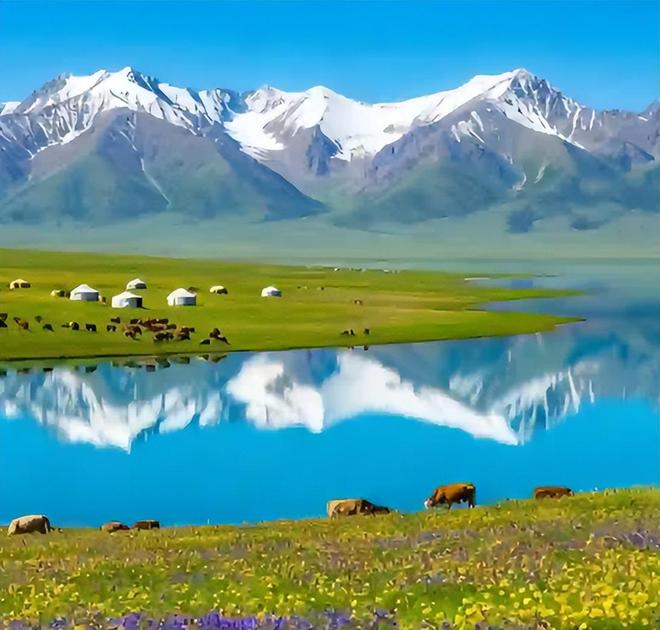
Bayinbuluke — the high wetland of the Tianshan with swans, the nine-twist Kaidu River, and alpine meadows. How to visit, when the swans are there, and the Duku connection.
Baisha Lake on the Kashgar–Pamir road — white sand shores, still blue water, and Muztagh Ata views. How to get there, when to photograph it, and what makes it special.
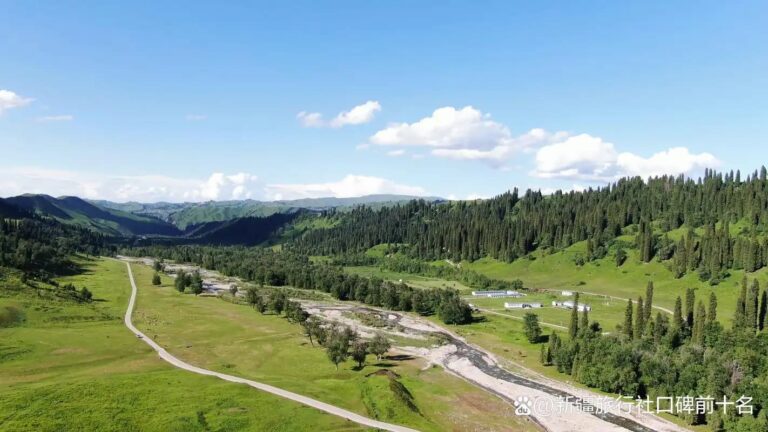
Drive the Yili Valley grassland loop — Nalati, Bayanbulak, lavender fields, and the Yizhao Highway. Distances, best stops, and the lushest drive in Xinjiang.