
A question comes up constantly from travelers planning a Xinjiang road trip: “Can I just drive across the border into Pakistan or Kazakhstan?” The romantic image — a car that crosses from Asia’s interior to the Indian subcontinent or the Central Asian steppe — is appealing. The reality is more constrained, and understanding it up front saves disappointment. This guide gives the honest picture: what cross-border self-driving involves, which borders are even theoretically possible, and the practical limits most travelers hit.
This is the “reality check” companion to our individual port guides (Khorgos, Khunjerab, Irkeshtam–Torugart).
The short answer
For the overwhelming majority of travelers, you do not drive your car across Xinjiang’s borders. The borders are working customs posts, not open frontier crossings you roll through. Crossing with a vehicle requires a stack of formalities — visas, vehicle customs clearance, temporary import permits, and cross-border insurance — that are rarely practical for a tourist rental and often restricted entirely.
What you can do is drive to the Chinese side of the border, experience the gateway and the frontier landscape, and (where cross-border traffic is open) potentially cross as a passenger via bus or on foot through formal procedures. Actually driving your own vehicle through is a separate, advanced undertaking.
What cross-border driving requires
If you are determined and eligible, here is what’s typically involved (rules vary by border and change often):
- Valid visa for the destination country (Pakistan, Kazakhstan, Kyrgyzstan, etc.).
- Vehicle customs declaration — your car must be cleared for temporary import; rentals almost never qualify.
- Temporary import permit / carnet or equivalent for the destination.
- Cross-border insurance valid in the destination country.
- Approved crossing point — only specific ports handle vehicle traffic, and status changes.
- Chinese exit procedures and the destination’s entry procedures, often with escorts or convoy rules on certain routes.
None of this is a casual add-on to a holiday. It is a logistics project.
Border by border
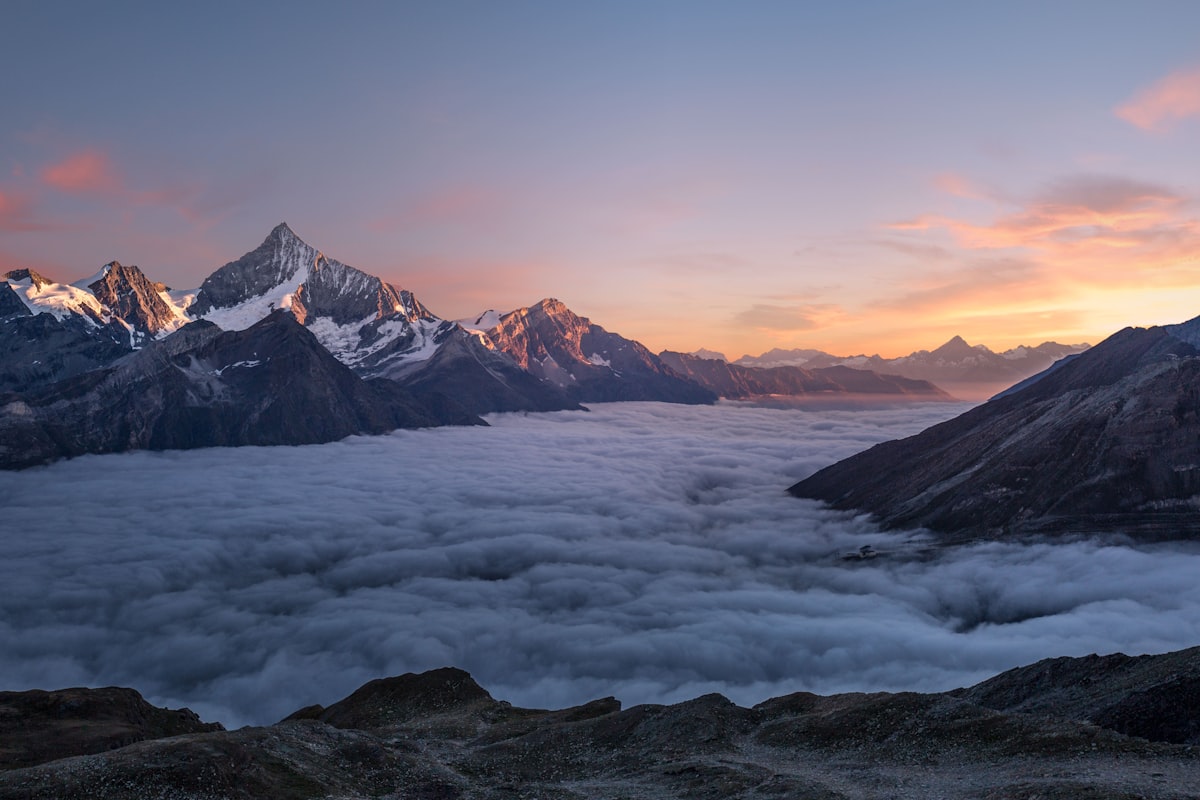
- Khunjerab (China–Pakistan): the headline KKH crossing. Through-traffic depends on current bilateral status; when open, it involves the full formalities above. See our Khunjerab Pass drive guide.
- Khorgos and Alashankou (China–Kazakhstan): major gates, but vehicle-crossing for tourists is not a casual affair; the towns are visit-able from the Chinese side.
- Irkeshtam and Torugart (China–Kyrgyzstan): western passes with their own crossing procedures; Torugart in particular is remote and logistically demanding. See our Irkeshtam–Torugart guide.
What most travelers actually do
The realistic, rewarding plan: drive the Xinjiang side of these routes to the frontier, soak in the gateway towns and the Pamir or Altai scenery, then — if you want to continue — do so by other means (domestic flight out, or a formal bus crossing where available) rather than with your rental car. This gives you the borderland experience without the customs ordeal.
For the Chinese-side drives themselves, our border permits and checkpoints guide covers what you need to be in the frontier counties.
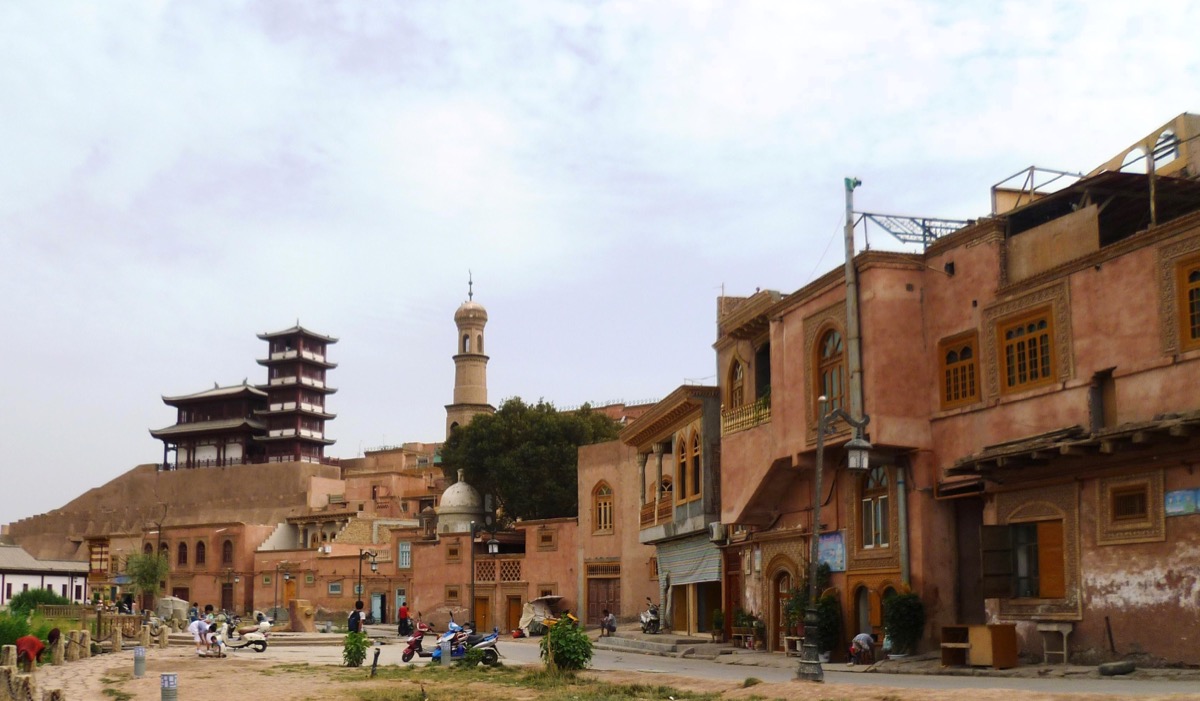 Kashgar old town gateway” />
Common misconceptions
- “The Karakoram Highway means I can drive to Pakistan.” The road exists; casual vehicle crossing does not. Formalities are the gate, not the tarmac.
- “My rental agreement allows it.” Almost never — rental contracts typically forbid cross-border use, and the customs steps above are separate anyway.
- “I’ll decide at the checkpoint.” Cross-border vehicle formalities are arranged in advance, not at the line.
FAQ
Can I drive a rental from Xinjiang into another country? Effectively no — rentals aren’t cleared for cross-border use, and the formalities are extensive.
Can I at least reach the border by car? Yes — you can drive to the Chinese side of Khorgos, Khunjerab, Irkeshtam, etc., and experience the gateway (with the right permits for restricted counties).
Do I need a permit to be near the border? Border-management counties (e.g., Tashkurgan) need the border-defense permit; see our permits guide.
Is bus crossing an option? On some routes (e.g., Khunjerab when open) formal bus services exist; rules vary — check current status.
What’s the realistic takeaway? Drive the Xinjiang side richly; treat actual cross-border driving as an advanced, pre-arranged project, not a spur-of-the-moment plan.
Final word
Xinjiang’s borders are doorways, not drive-throughs. Enjoy them from the Chinese side — the gateway towns, the Pamir, the frontier roads — and let the crossing itself be a separate decision made with full information. That’s how the region is best experienced: deeply, legally, and without the customs headache.
Written by Karl Huang, a Xinjiang-based travel writer. Cross-border rules change frequently — confirm with Chinese and neighboring-country authorities well before any attempt.