

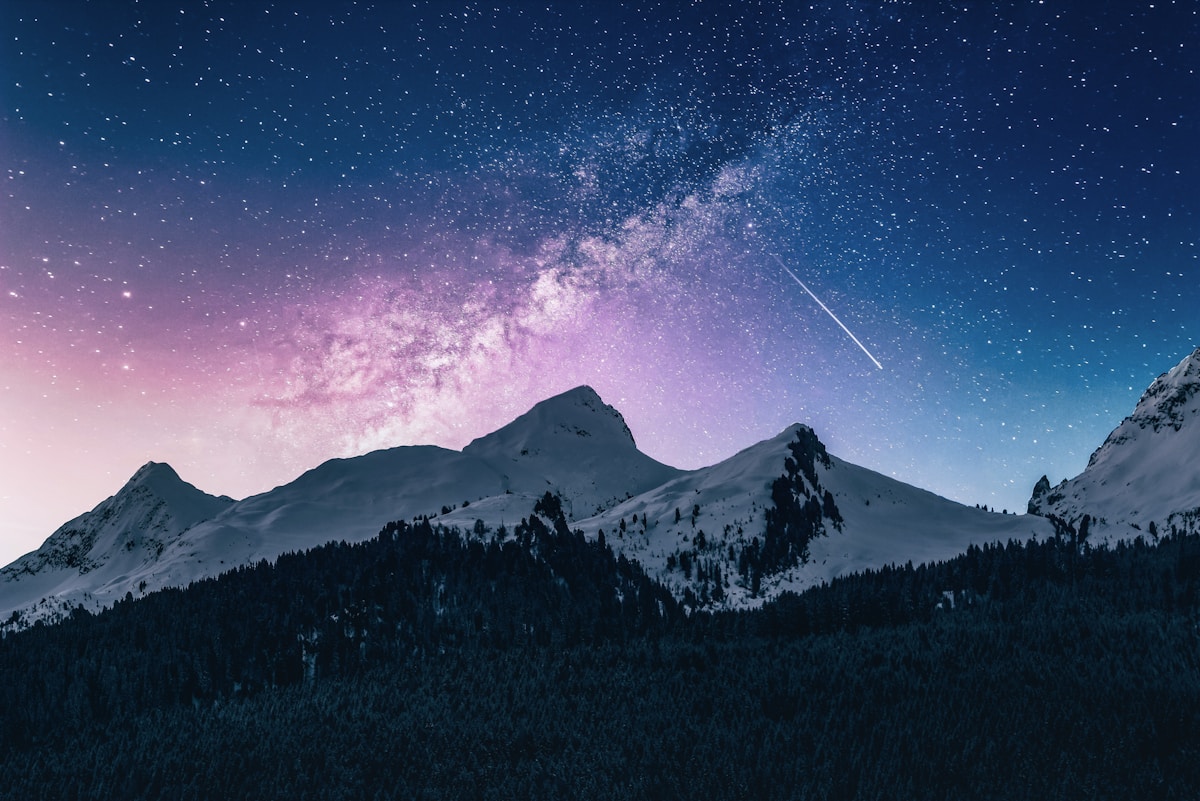
There is no darker sky on Earth than the high Xinjiang plateau. On a clear night at Sayram Lake I counted more stars than I could name, the Milky Way spilling straight down to the water. A xinjiang camping road trip is, for many travelers, the whole point of coming — but the freedom comes with real rules and real limits you need to respect.
Xinjiang’s appeal for campers is obvious: vast, empty, legal-enough pull-offs; world-class dark-sky sites; and the romance of waking up beside a snow peak. The catch is that “wild camping” inside most scenic areas is restricted, water and dump facilities are scarce, and distances between supply points can be 200 km or more. Done right, it’s unforgettable. Done carelessly, it’s a fined, frozen, thirsty night.
 }
}
The best stargazing and camping spots
Sayram Lake (2,070 m): The undisputed star camp. The lakeshore ring road has designated camping zones near the east gate, and on a moonless night the reflection of the galaxy on the water is the kind of thing you show your grandkids. Wind is the enemy — it frequently hits 40–60 km/h, so a low-profile tent and solid pegs are essential. Our Sayram Lake guide lists the quieter bays.
Kanas and the Altai (around 1,300 m): The northern forests near Kanas and Hemu are magical in autumn (late September), when larch turns gold and the air is crisp. Note that the Kanas geopark has strict camping rules and often requires staying in designated zones or the village guesthouses — wild camping inside the park boundary is generally not allowed.
Pamir Plateau (3,000 m+): The darkest, highest skies, around Tashkurgan and Karakul Lake (about 3,600 m). This is serious altitude camping — see our Karakoram Highway self-drive piece for the access roads and the altitude caveat. I only recommend it for acclimatized, experienced campers. The payoff is Muztagh Ata looming over your tent at 4 a.m.
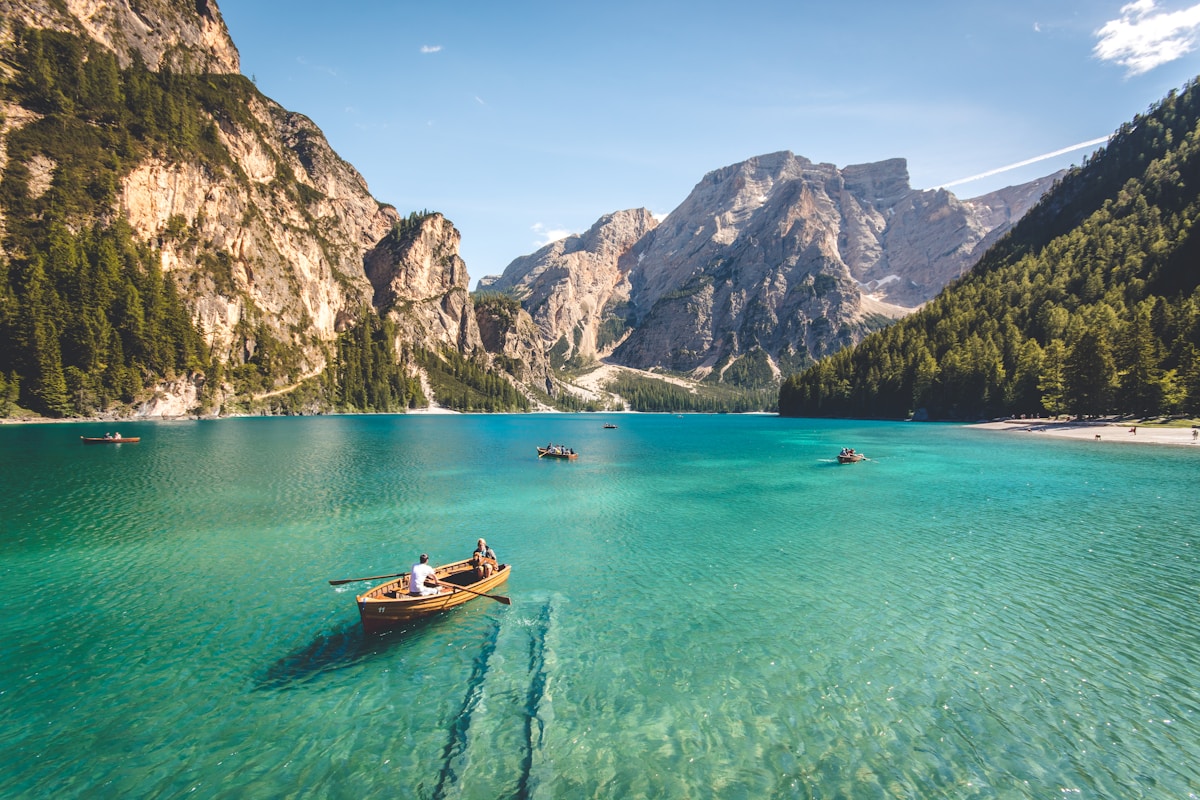
RV travel: the honest picture
Renting an RV in Xinjiang is possible — Urumqi and a few tourist hubs offer them — but be clear-eyed. The fleet is small, and a self-contained RV with a toilet and fresh-water tank typically runs from roughly ¥800 to ¥1,500 per day in peak season (June–September), plus the driver needs a corresponding license class. Dump stations and fresh-water fill points are limited to major towns and scenic-area service centers, so you can’t truly free-range for more than 2–3 days without resupplying.
For most travelers I actually recommend a rental SUV plus a quality roof-top tent or a regular tent. You get the mobility to reach the small roads (the Duku, the Ili backroads) and the freedom to camp legally at designated sites without hunting for RV infrastructure. The best time for a Xinjiang road trip guide explains which months keep those mountain roads open.
Where you can legally camp
The single most useful thing to know is the difference between a scenic-area boundary and the open roadside. Inside ticketed parks — Kanas, Sayram, Nalati, Tianchi — open wild camping is controlled or banned, and the gate staff will point you to a designated campsite or tell you to stay at a village guesthouse just outside. On the open G30 and G217, quiet pull-offs well away from towns are generally tolerated, but you must be self-contained and leave no trace. My rule: if I can see a park gate or a village, I ask first; if I am 50 km from anywhere on a highway shoulder, I camp discreetly and cleanly. When in doubt, the local PSB or scenic-office answer is the only one that counts.
The seasons for camping
Camping season tracks the road season. June–September is the window: Sayram, the Ili grasslands, and Kanas are all accessible, though Sayram wind and Pamir cold nights still demand a zero-degree bag. Late September–early October is spectacular in the Altai (golden larch) but the first frost arrives, and the Duku can close on early snow. Winter (Nov–Mar) is for the hardy only — frozen ground, -20°C nights, and most scenic campsites shut. I do not recommend a winter first camp; the risk-to-reward ratio is poor unless you are experienced and equipped for vehicle-based, not tent, sleeping.
RV versus SUV: the real math
The cost difference is stark. An RV at ¥1,000/day for a 10-day trip is ¥10,000 before fuel, against an SUV at ¥500/day plus ¥30/night campsite or ¥200/night guesthouse — roughly half the price, and far more flexible on the Duku and Pamir access roads where RVs struggle with tight switchbacks and low clearance. Dump-station scarcity seals the case: on a north loop you can resupply at Urumqi, Yining, Burqin and Kanas service centers, but the Pamir has almost none, so an RV there means careful water budgeting and short hops. For families with small kids, or travelers who want a toilet always available, the RV still wins on comfort — just plan the loop around towns, not the empty plateau, and book dump-capable stops ahead.
Rules you must know
- Scenic areas: Most ticketed parks (Kanas, Sayram, Nalati, Tianchi) forbid open wild camping and may fine it. Use the designated campsites or stay just outside the gate where local guesthouses often allow tents.
- Fire bans: Wind and dry grass make fires dangerous; many areas ban open flames in summer. A gas stove is the responsible choice, and even that should be sited carefully.
- Leave no trace: There is no trash pickup on the plateau. Pack out everything. The pristine dark skies exist because the land is empty — keep it that way.
- Permits: Camping near the Pamir border zones requires the 边防证 (border pass); plan it before you head south.
Water, food and comfort planning
Carry at least 3–4 liters of drinking water per person per day in summer; at Sayram or the Pamir you’ll drink far more than you expect because of altitude and wind. Food is easy in towns but nonexistent on the plateau — stock up in Yining, Kashgar or Urumqi before heading out. A power bank and a 12V fridge (or cooler with ice) turn a rough night into a comfortable one.
Layer for the temperature swing: a July day at Sayram can be 25°C and the night 8°C; on the Pamir, summer nights regularly fall below freezing. A zero-degree sleeping bag is not overkill.
Camping gear checklist
Beyond the general road-trip kit, campers need a short specific list: a tent rated to 0°C (lower on the Pamir), a sleeping bag at or below 0°C, an insulated ground pad, solid pegs and guylines for Sayram’s 60 km/h wind, a gas stove and a 230 g canister (open fires are often banned), a headlamp, and a 12V fridge or cooler. I also pack a small trowel and a sealed waste bag — there is no trash pickup on the plateau. A power bank and a car charger keep the phone and headlamp alive. Leave the giant hard-shell cases at home; soft duffels free up SUV space for the tent.
Leave-no-trace and local etiquette
The empty plateau stays pristine only because travelers pack out everything. Burn nothing you cannot fully extinguish, and prefer the gas stove. Ask before pitching near a village or a guesthouse — herders are welcoming but their land is working pasture, and a quick “key boledi?” (are you well?) goes far. Keep campsites small and out of sight of the road; the discreet camp is the one nobody asks you to move. And never leave food out — free-roaming dogs and livestock will take it, and a clean site is a safe one.
FAQ
Can I freely wild camp anywhere in Xinjiang? No. Inside scenic-area boundaries and near the Pamir border, camping is controlled or banned. Use designated sites and always ask locally.
Is an RV worth it for a first Xinjiang trip? Usually not. An SUV with a tent is more flexible, reaches more roads, and avoids the scarce dump-station problem.
Where are the darkest skies? The Pamir Plateau and Sayram Lake are exceptional; Kanas in autumn is excellent too. Pick a moonless night and get away from any town glow.
How cold does it get camping in summer? Sayram nights ~8°C; Pamir nights below 0°C. Bring a proper sleeping bag and a warm layer.
Do I need a border permit to camp on the Pamir? Yes, the 边防证 is required for Tashkurgan and nearby areas. Arrange it in Kashgar before driving south.
Is camping safe from wildlife? Large predators are rare near camp sites, but livestock and dogs roam. Store food securely and keep a clean site. The bigger risk is weather and isolation — tell someone your plan.
Final word
Camping in Xinjiang trades comfort for a kind of silence you won’t find anywhere else. Respect the rules, carry your water, and the plateau will show you a sky you’ll never forget.
Written by Karl Huang, a Xinjiang-based travel writer. Camping zones, fire bans and border-permit rules shift between seasons and counties — confirm the current regulations with local scenic-area offices and PSB before you set up camp.