

The difference between a great Xinjiang road trip and a miserable one usually comes down to what’s in the trunk. I’ve seen travelers stranded at a Duku Highway checkpoint with a flat and no spare, and others baking at noon then shivering at a 3,000 m pass an hour later. This packing list is built from years of driving the region — print it, check it twice.
A xinjiang road trip packing list has to cover three contradictions at once: desert heat and mountain cold, remote breakdown and polished city hotels, high altitude and long paved highways. Get the basics right and everything else is a bonus.
 }
}
Documents and money
This is the part people forget and the part that ruins trips.
- Passport (foreign travelers) or ID card (Chinese nationals). You’ll show it at every checkpoint — keep it in an easy-access sleeve.
- Chinese driving license (foreign license alone is not valid; an official translation or temporary permit is needed). For rental, see best car for a Xinjiang road trip.
- Border pass (边防证) if heading to the Pamir or Khunjerab.
- Rental agreement and insurance papers in the glovebox.
- Cash (¥200–500 small bills) — remote fuel stations and stalls sometimes can’t take cards.
- Offline maps downloaded (Gaode/AMap or Maps.me) before you leave signal.
Driving and emergency kit
Xinjiang’s beauty is its emptiness, which means help can be far away.
- Full-size spare tire + jack and lug wrench (not just a repair foam).
- 12V air compressor and a tire-pressure gauge — gravel and heat drop pressures fast.
- Jump starter / power bank with jump function.
- Tow strap and a basic tool roll.
- Reflective triangles and a high-vis vest (checkpoints appreciate them).
- Headlamp and spare batteries — you’ll change a tire or find a camp in the dark.
- Snow chains if traveling Oct–April or anywhere the Pamir/Duku might ice.
- First-aid kit plus the altitude meds below.
The road trip safety tips article covers what to do if you actually break down out there.
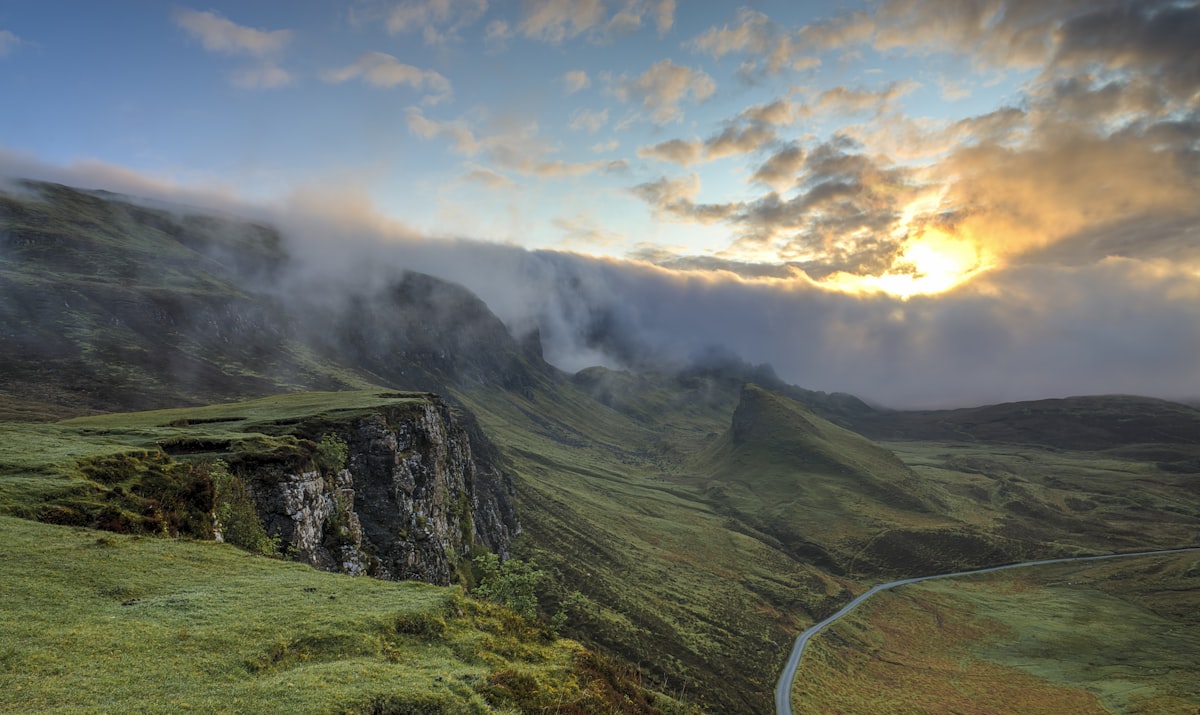
Clothing for the temperature swing
Pack for two seasons, even in summer.
- Sun layer: wide-brim hat, UV sunglasses, SPF 50, lip balm. UV at altitude burns fast.
- Heat layer: light breathable shirts and shorts for Turpan (often 38–45°C).
- Cold layer: a real insulated jacket, fleece, beanie and gloves — Sayram or Duku passes can be 10–15°C colder than the valley.
- Rain shell, even if the forecast is dry; mountain weather flips quickly.
- Sturdy shoes plus sandals for hotels.
- Sleeping layer if camping (zero-degree bag recommended on the plateau).
Health and altitude
Even if you’re not going high, bring the kit — the Pamir and Duku summit (~3,400 m) catch people off guard.
- Acetazolamide or similar only after consulting a doctor; plus ibuprofen, rehydration salts, diarrhea meds, antihistamine, band-aids.
- Personal prescriptions with extra in case of delay.
- Our altitude sickness guide explains symptoms and the ascend-slowly rule. Don’t push through real altitude sickness.
Photography and electronics
- Camera + extra batteries (cold kills them) and plenty of cards.
- Phone mount, car charger (dual USB), 12V/cigarette socket charger.
- Lightweight tripod for the Milky Way at Sayram or Pamir.
- Drone if you have one and it’s permitted — many parks ban flying; check each site.
- Power bank (20,000 mAh+).
Power, charging and connectivity
Remote stretches will kill your phone fast if you are navigating, translating, and shooting video at once. I carry a 20,000 mAh power bank per person, a dual-USB car charger, and a 12V inverter for the laptop. A local SIM with data (China Mobile has the best coverage in Xinjiang) is worth buying on day one — international roaming is patchy and the plateau has no fallback. Download offline maps and your hotel confirmations as PDFs before you leave Urumqi; signal vanishes in the Tianshan gorges, the Taklamakan middle, and above 3,000 m on the Pamir. A small translator app cached offline saves arguments at fuel pumps and guesthouses.
What NOT to bother bringing
A few things waste space. Heavy hard-shell suitcases are a pain in packed SUVs — use soft duffels. A huge first-aid kit duplicates what a small one does; pack meds, not a trauma center. Cooking gear is redundant unless you are camping seriously, since roadside laghman and kebabs are everywhere and cheap. And skip the fancy dress: even Urumqi’s better restaurants are casual. The one thing I never cut is the warm layer and the water — those earn their weight every trip.
A sample day-pack (what stays in the front seat)
Keep a small bag within arm’s reach for the long legs: passport/ID and rental papers, sunglasses, a 1 L water bottle each, lip balm and SPF, a snack, the headlamp, and a phone charger cable. On Duku and Pamir days I add the altitude meds and a warm layer even if the valley is 30°C, because the pass will be 15°C colder and you may stop for an hour at a viewpoint. Having it in the seat beats digging through the trunk at a windy 3,400 m pull-off.
Seasonal extras
- Summer (Jun–Aug): mosquito net/repellent for Ili grasslands; more water capacity.
- Autumn (Sep–Oct): warmer bag, earlier chains just in case; Kanas is stunning but cold at night.
- Winter (Nov–Mar): winter tires or chains mandatory on open roads; emergency blanket, extra food and a full fuel can. The Duku Highway self-drive guide notes the Duku is closed in winter — plan lowland routes.
Organizing the trunk
How you pack matters as much as what. I use two zones: a “daily” duffel with clothes and toiletries that lives in the back seat, and a “gear” bin in the trunk holding the spare, compressor, tools, triangles, and first-aid. The documents sleeve stays in the glovebox, not the bin — you need it at every checkpoint without unpacking. Heavy items low and centered; the roof box (if any) for the light, bulky stuff like the tent. At each hotel I pull only the daily duffel, so the trunk stays a known, findable inventory. This also speeds the morning five-minute vehicle check.
Border-pass and rental paperwork detail
Two papers trip up first-timers. First, the foreign license alone is not valid — you need an official Chinese translation or a temporary driving permit, arranged through your rental or the PSB; confirm which before you fly. Second, the 边防证 (border pass) for the Pamir or Khunjerab is free but applied for in Kashgar (or the relevant border town) with your passport — Urumqi cannot issue the Tashkurgan one. Keep the rental agreement and insurance papers in the glovebox sleeve next to your ID; checkpoints and any camera dispute will ask for them. Photograph the agreement and your license on your phone as a backup.
The in-car comfort kit
A long Xinjiang day is 6–10 hours behind the wheel, so a small comfort kit earns its keep: a neck pillow for the passenger, sunglasses with good UV cut (the plateau glare is intense), lip balm, hand sanitizer, and a trash bag. I keep 1 L of water per person within reach and a snack for the legs where the next town is 200 km away. None of this is glamorous, but it is the difference between arriving stiff and arriving ready to walk the lakeshore at dawn.
Last-minute grab list
The morning you collect the car, run this 60-second check before you pull out of the Urumqi or Kashgar lot: documents sleeve in the glovebox, full-size spare present and at pressure, phone mount clipped and charger plugged, offline maps downloaded, water and a warm layer in the back seat, and cash in the wallet. If any of those six are missing, fix it in the lot — not at the first checkpoint 40 km down the road. I have watched travelers turned back from a Duku gate over a missing border pass or a flat with no spare; the five minutes here saves a ruined day.
FAQ
Do I really need a full spare tire? Yes. Many rental SUVs carry only a repair kit; insist on a full-size spare before leaving Urumqi or Kashgar.
What clothes are essential even in July? A warm jacket and hat. Mountain passes are 10–15°C colder than the cities, and nights at Sayram drop sharply.
Do I need cash in Xinjiang? Mostly cards/apps work, but carry ¥200–500 in small bills for remote fuel and stalls.
Should I bring altitude medication? Bring a basic kit and read our altitude guide; only use prescription altitude drugs after a doctor’s okay. Ascend slowly regardless.
Is a drone worth packing? The landscapes are incredible, but many scenic areas ban drones. Research each park; pack it only if you’ll use it legally.
How much water should I carry? At least 3–4 L per person per day in summer on remote routes; more on the Pamir or Taklamakan.
Final word
Pack the boring stuff — documents, spare tire, warm layer, water — and the adventure takes care of itself. A well-loaded trunk is the quiet hero of every good Xinjiang drive.
Written by Karl Huang, a Xinjiang-based travel writer. License, border-pass and drone rules, plus what’s stocked in rental vehicles, change between operators and seasons — confirm the specifics with your rental company and local authorities before departure.