

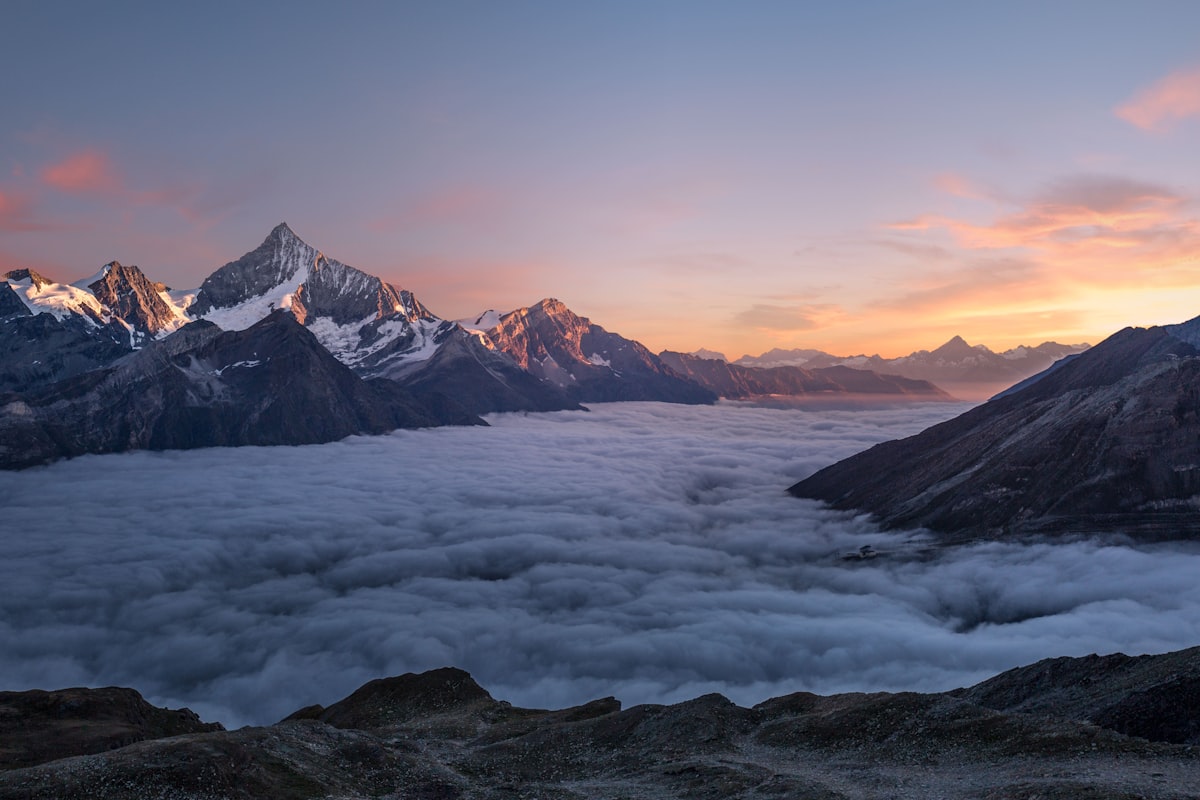
Tashkurgan‘s stone fort sits on a hill above the town like a sentence written in the middle of the Silk Road – and the view from it explains why everyone fought for this valley.
The Tashkurgan Stone Fort, also called the Princess Castle, is a restored hilltop citadel above the town of Tashkurgan on the Pamir Plateau, near the point where China meets Tajikistan, Afghanistan and Pakistan. For a self-driver it is the cultural stop that breaks up a long Kashgar-to-Pamir drive. This guide covers how to reach it, what you see, the permit you need, and how to pair it with Karakul Lake on the same day.
Where the fort is
The fort stands on a low hill at the north edge of Tashkurgan town, about 290 km from Kashgar on the G314, the Karakoram Highway. Tashkurgan itself sits near 3,100 m, so the fort is a short, easy walk up from the car park, not a climb. The setting is the point: on a clear day you see the Pamir peaks and the valley that every Silk Road caravan crossed. A Kashgar Pamir loop almost always includes it, because it is the one stop that explains the geography you have been driving through. The town is the base; the fort is the lookout.
- Hill at the north edge of Tashkurgan.
- ~290 km from Kashgar on the G314.
- Tashkurgan ~3,100 m; an easy walk up.
What you actually see
The fort is a restored mud-brick and stone citadel with walls, towers and a path along the rim. The inside is modest – some rooms, panels on the local Tajik culture, and a small museum – but the walls and the view are the draw. From the top you see the town, the river, and the snow line of the Pamir. It is not a castle in the European sense; it is a frontier stronghold, and that honesty is the interest. Give it an hour, then walk the town below, where the Tajik market and the Friday gatherings show a culture you will not see lower down. The fort frames the whole Pamir day.
- Restored mud-brick and stone citadel.
- Walls, towers, a rim path, a small museum.
- The view is the real draw.
The permit and the border note
Tashkurgan is in a border zone, so you need the border permit issued in Kashgar before you come up. Get it at the Kashgar public-security office with your passport; without it the checkpoint south of town turns you back. The fort itself is open to permitted visitors, but the actual crossing points and the fence line are not for photos. A car rental from Kashgar makes the permit run and the drive one smooth day, but sort the paper first. The border permit is the single thing that decides whether this stop happens, so do it in Kashgar, not in Tashkurgan.
- Border permit from Kashgar with passport.
- Checkpoint south of town enforces it.
- No photos of crossings or fence line.
Pairing it with Karakul Lake
Karakul Lake sits about 130 km south of Kashgar and roughly 160 km before Tashkurgan, at nearly 3,600 m under Muztagh Ata. Most drivers do Karakul in the morning, reach Tashkurgan for lunch, and see the fort in the soft afternoon light, then sleep in town. Karakul Lake is the postcard; the fort is the story. The two together make the Pamir a full day, not a drive-by. Watch altitude at both – Karakul is higher, so take the first hour easy and skip alcohol. A calm plan with one night in Tashkurgan beats a same-day return that rushes the pass in the dark.
- Karakul ~160 km before town, 3,600 m.
- Fort in the afternoon; lake in the morning.
- One night in Tashkurgan, do not rush.
When to go
The warm season from May to October is the window; winter closes the G314 with snow and the town is brutally cold. The best light is late afternoon on the fort, and the clearest Pamir views are after a dry spell. Summer is the safe bet for the pass, but also the busy one. Spring and autumn are cold but empty and crisp. The fort is open year-round in theory, but the drive decides the day, so plan the visit for a season when the Karakoram is open and the checkpoint is calm. Tashkurgan town has basic hotels; book ahead in summer.
- May-Oct; winter closes the G314.
- Late afternoon light on the fort.
- Summer safe but busy; book ahead.
Practical stop
Fuel in Kashgar before you climb, because stations thin out on the Pamir. The town has simple hotels and hot meals; the fort needs an hour and a coat even in summer, because the wind at 3,100 m is real. Carry your passport everywhere – the checkpoints are frequent and polite but firm. A driver who pairs the fort with Karakul and a Tashkurgan night gets the Pamir without the white-knuckle return. The Stone Fort is the quiet prize of the plateau: small, old, and exactly where the map says it should be.
- Fuel in Kashgar; stations thin on the Pamir.
- Coat even in summer; wind at 3,100 m.
- Passport at every checkpoint.
| Item | Detail |
|---|---|
| From Kashgar | ~290 km G314 |
| Town altitude | ~3,100 m |
| Time needed | 1 hour |
| Permit | Border permit from Kashgar |
Practical takeaways
- Get the border permit in Kashgar before you climb.
- Pair the fort with Karakul Lake and a Tashkurgan night.
- Fuel in Kashgar; Pamir stations are thin.
- Carry a coat; the wind at 3,100 m is real.
Frequently Asked Questions
- Do I need a permit for the fort?
- You need the Pamir border permit from Kashgar, not a separate fort ticket. Without it the checkpoint south of Tashkurgan turns you back.
- Is the fort worth the long drive?
- For the view and the Silk Road context, yes. Pair it with Karakul Lake and a night in Tashkurgan so the Pamir is a full day, not a rush.
- When is the best time?
- May to October, when the G314 is open and the passes are clear. Winter snow closes the road and the town is bitterly cold.
- How high is it, and is altitude a problem?
- Tashkurgan is ~3,100 m; Karakul on the way is ~3,600 m. Take the first hour easy, hydrate, and skip alcohol at altitude.